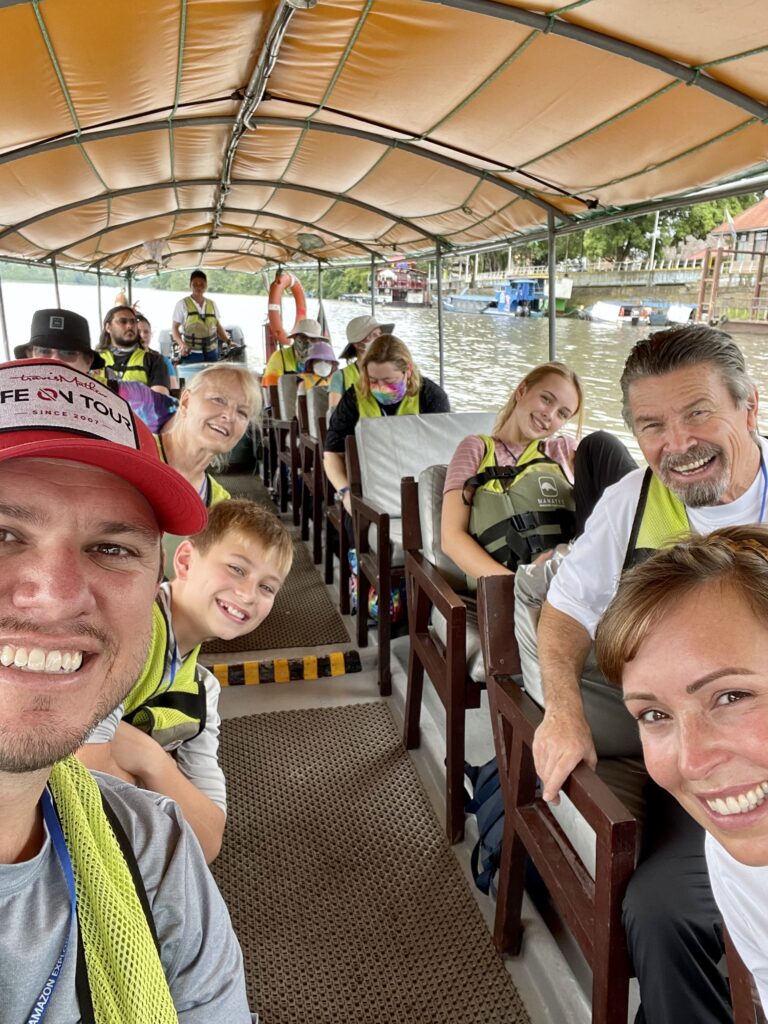
Highlights:
- Authentic visit with Ecuadorian indigenous communities.
- Swimming in Pañacocha, also known as “Piranha Lake.”
- Unforgettable journeys into Yasuní National Park, a UNESCO World Biosphere Reserve and the most biodiverse place on earth where we saw two types of dolphins!
- Excursions into the treetops, climbing canopy-height observation towers for 360-degree rainforest views.
- Visit to the Parrot Clay Lick, a natural avian paradise alive with parrots, parakeets, and macaws.
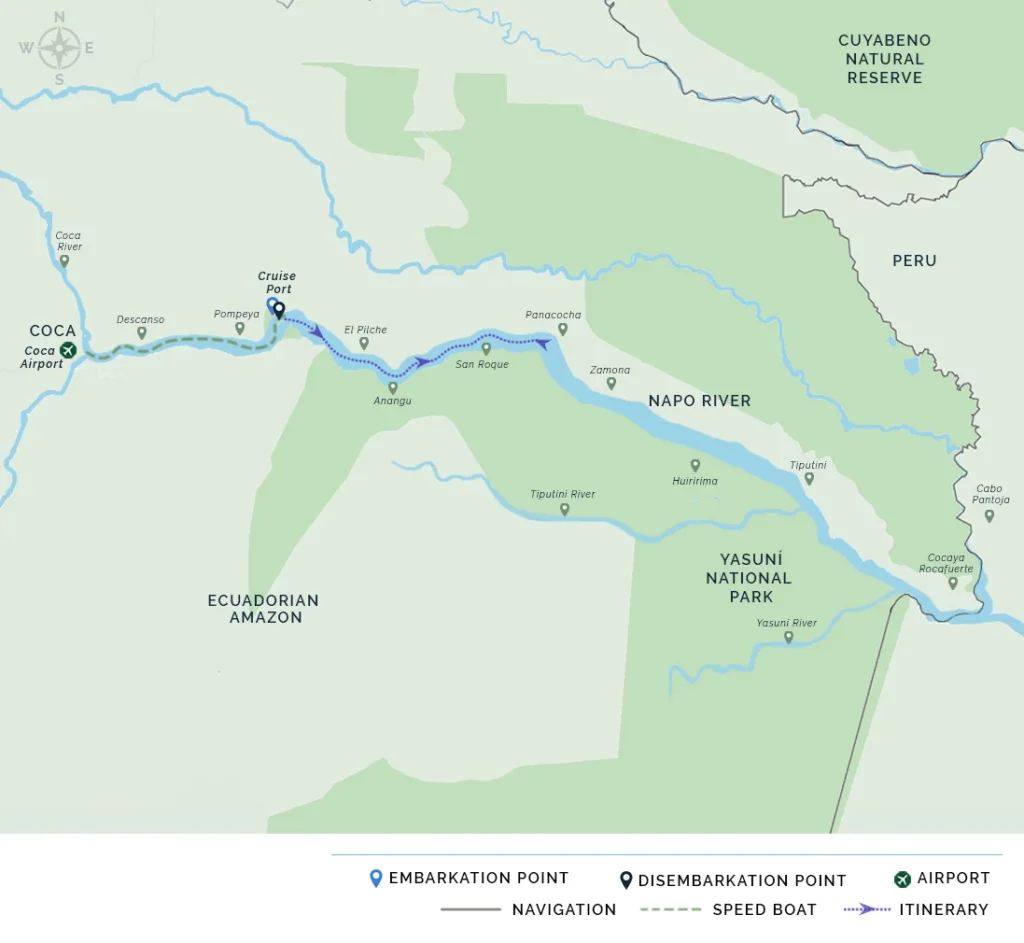
Map of our Adventure:
Day 1- Arrival in the Amazon
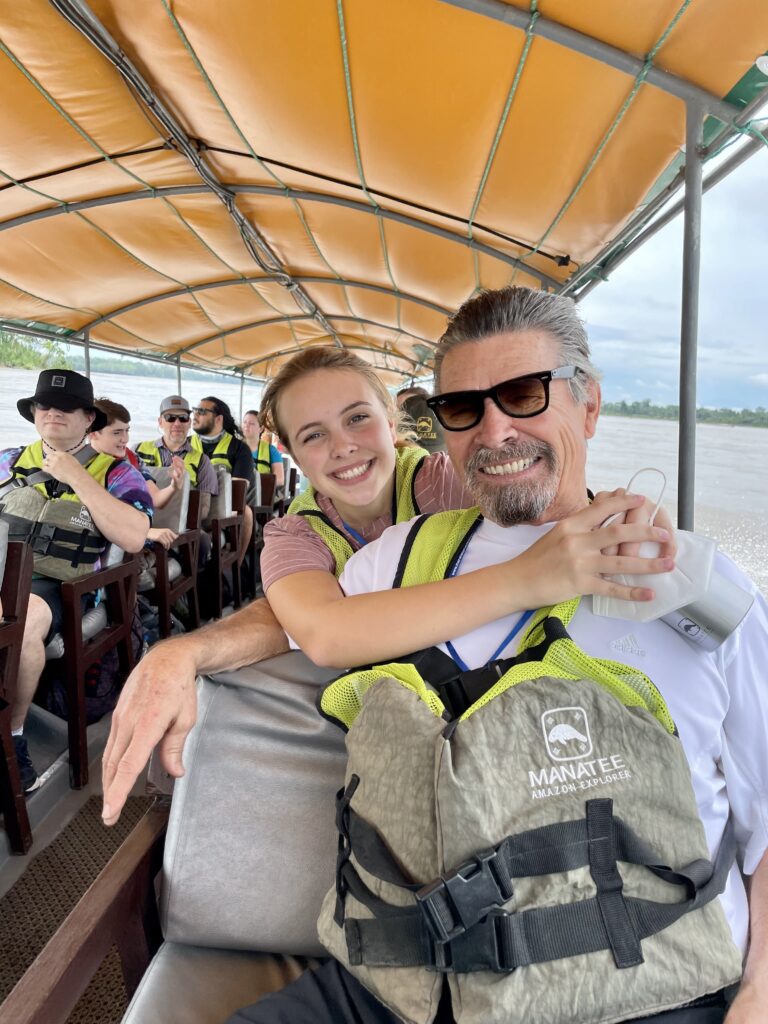
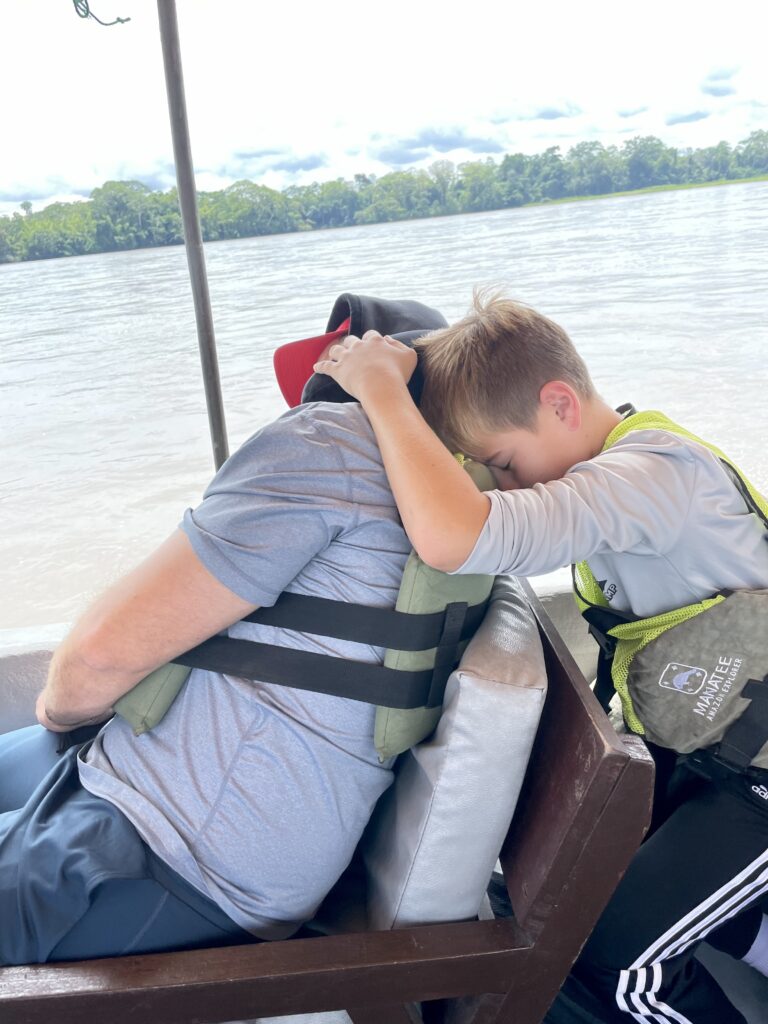
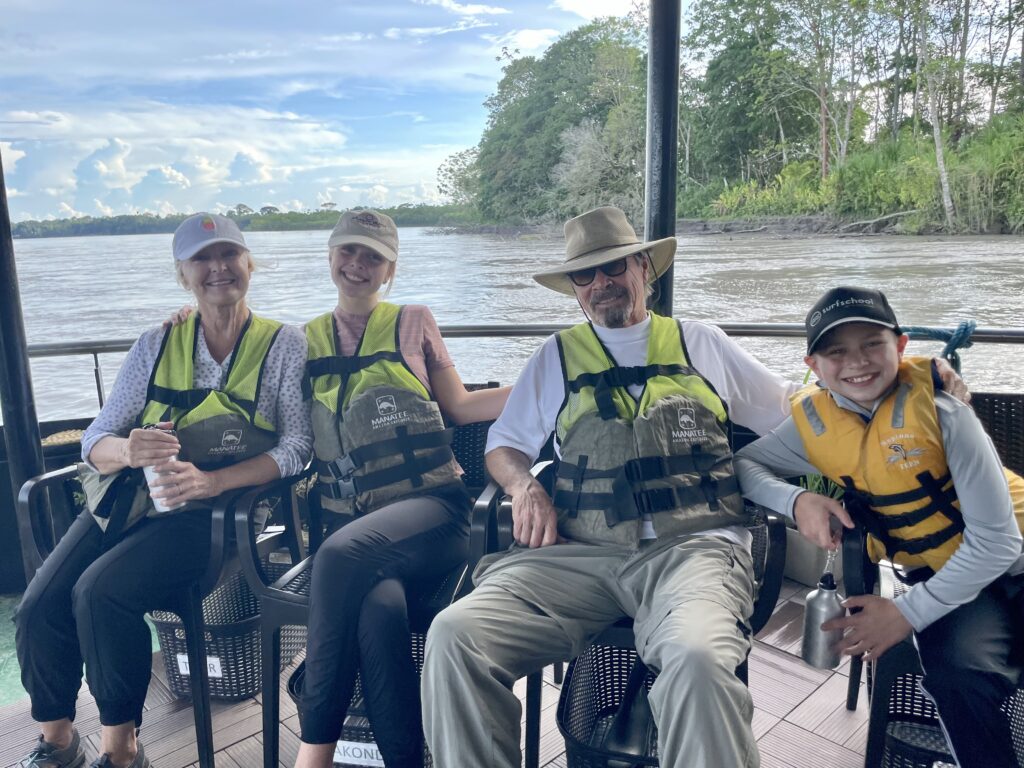
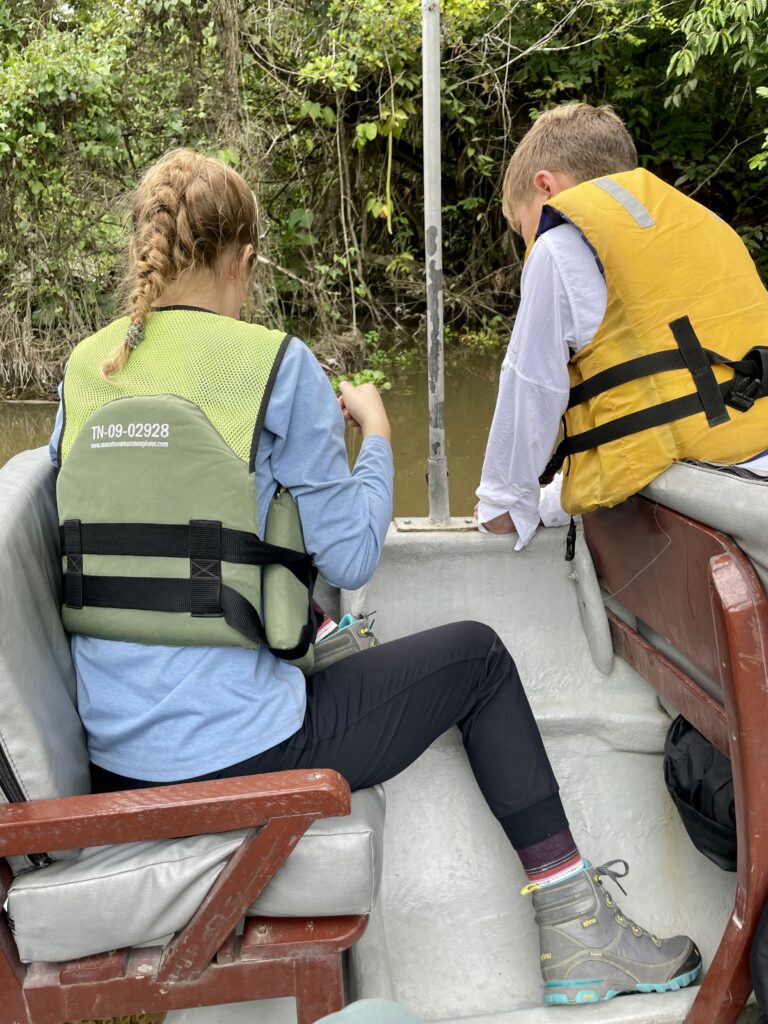
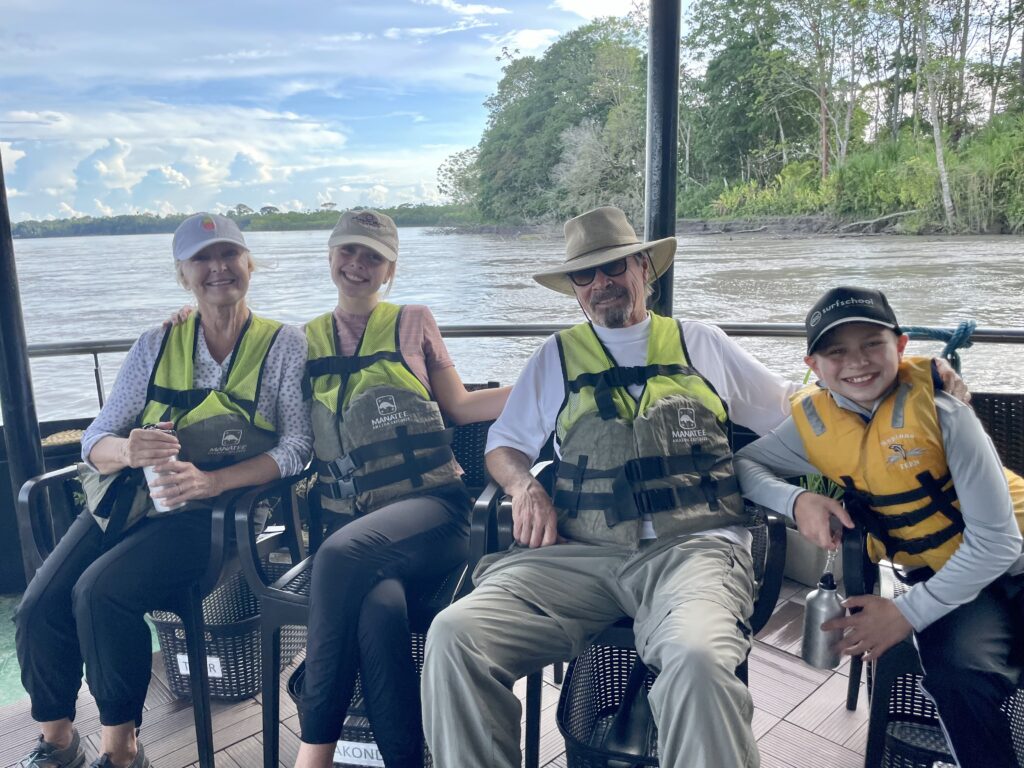
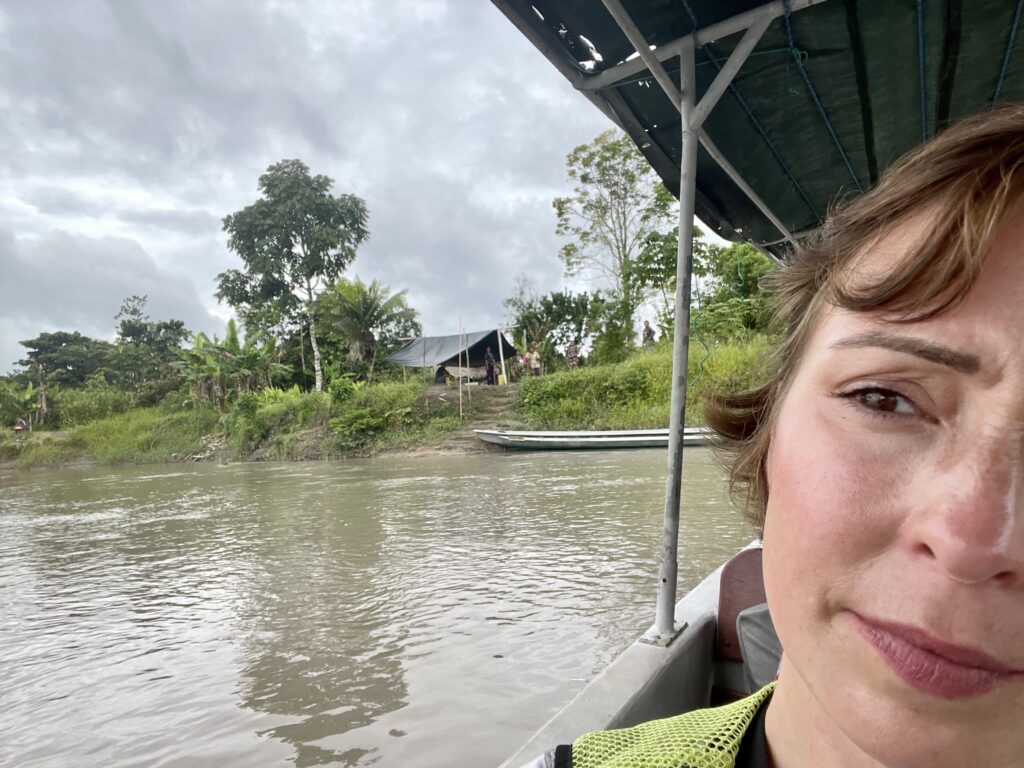
Our adventure began in Quito, Ecuador’s capital city. After a short 30-minute flight to the Amazonian city of Coca, we transferred to the dock and boarded a motorized canoe. For the next 90 minutes, we glided down the river, surrounded by lush jungle and catching our first glimpses of the Amazon’s beauty, until we reached the Manatee Amazon Explorer, our home for the days ahead.
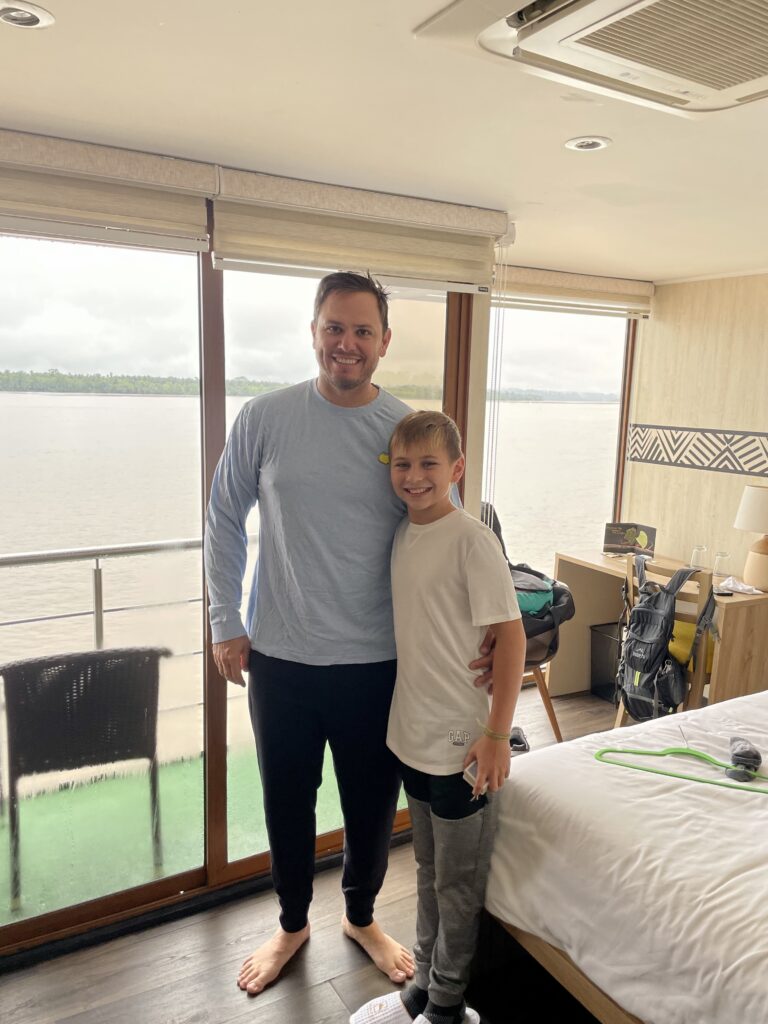
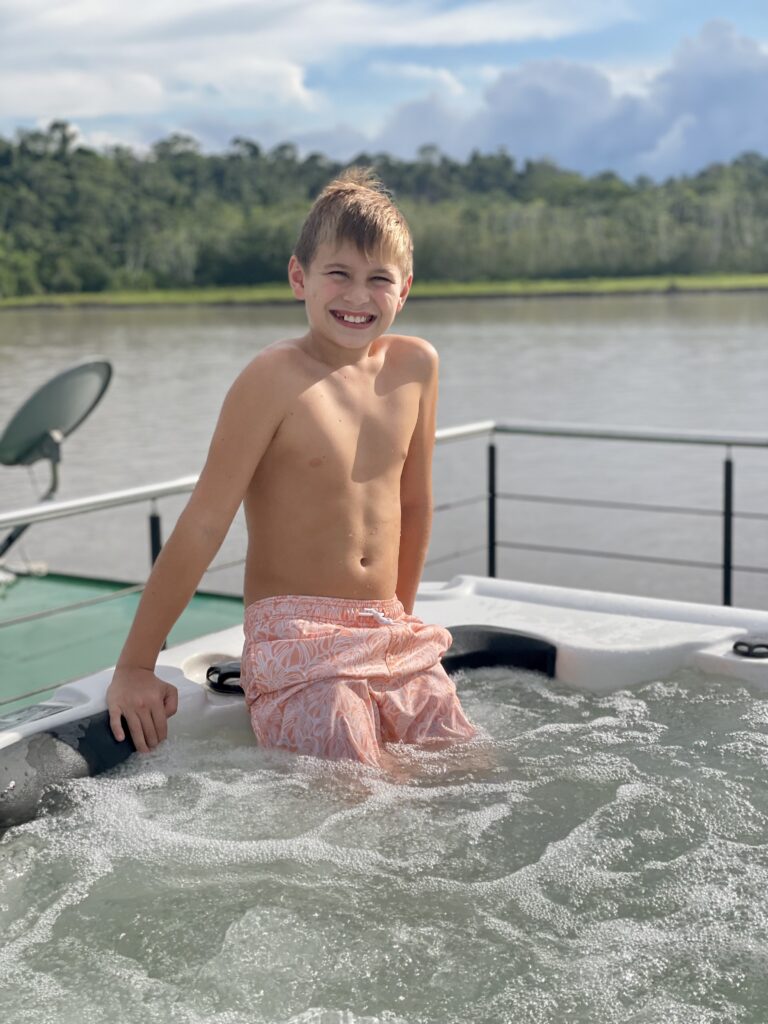
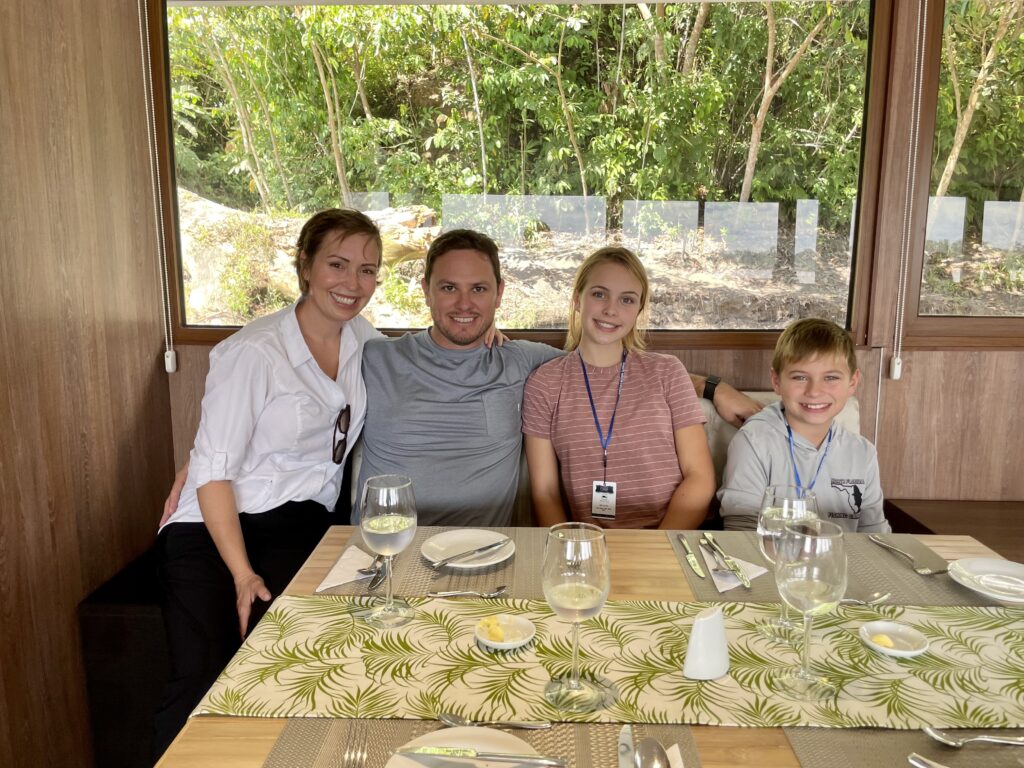
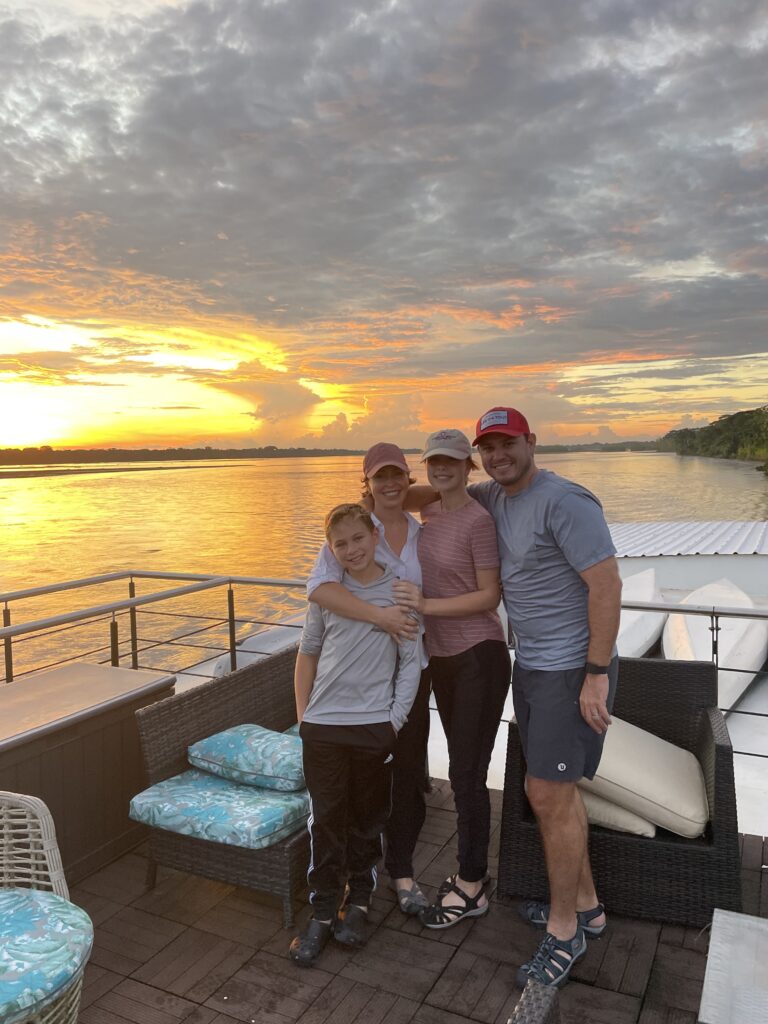
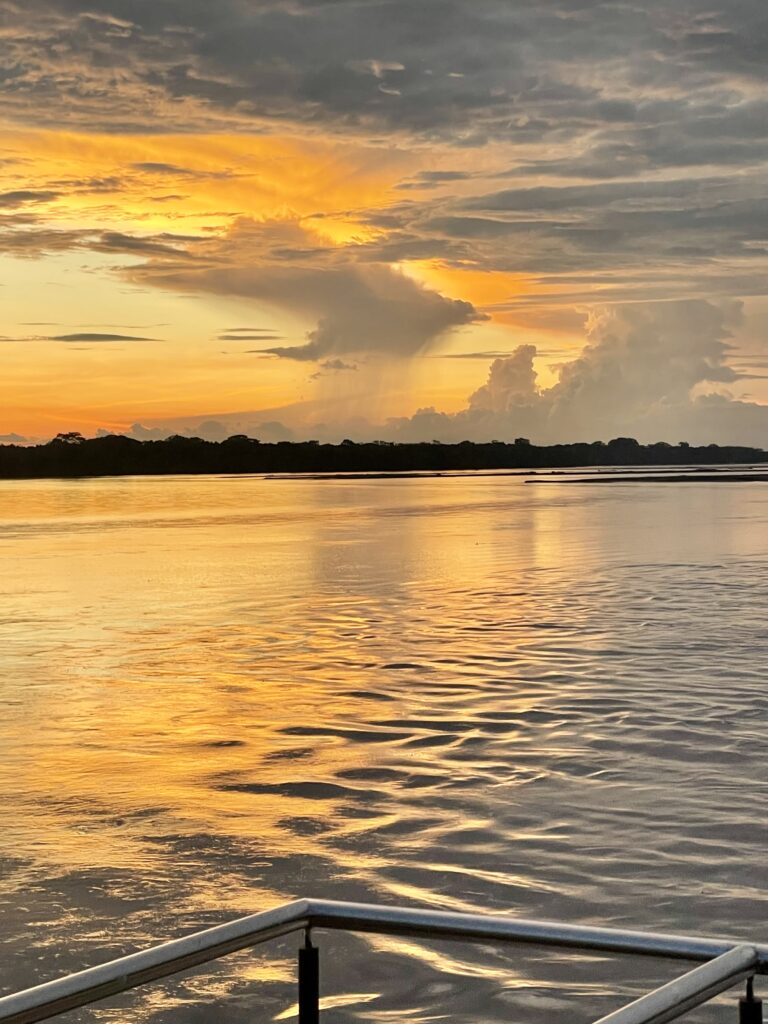
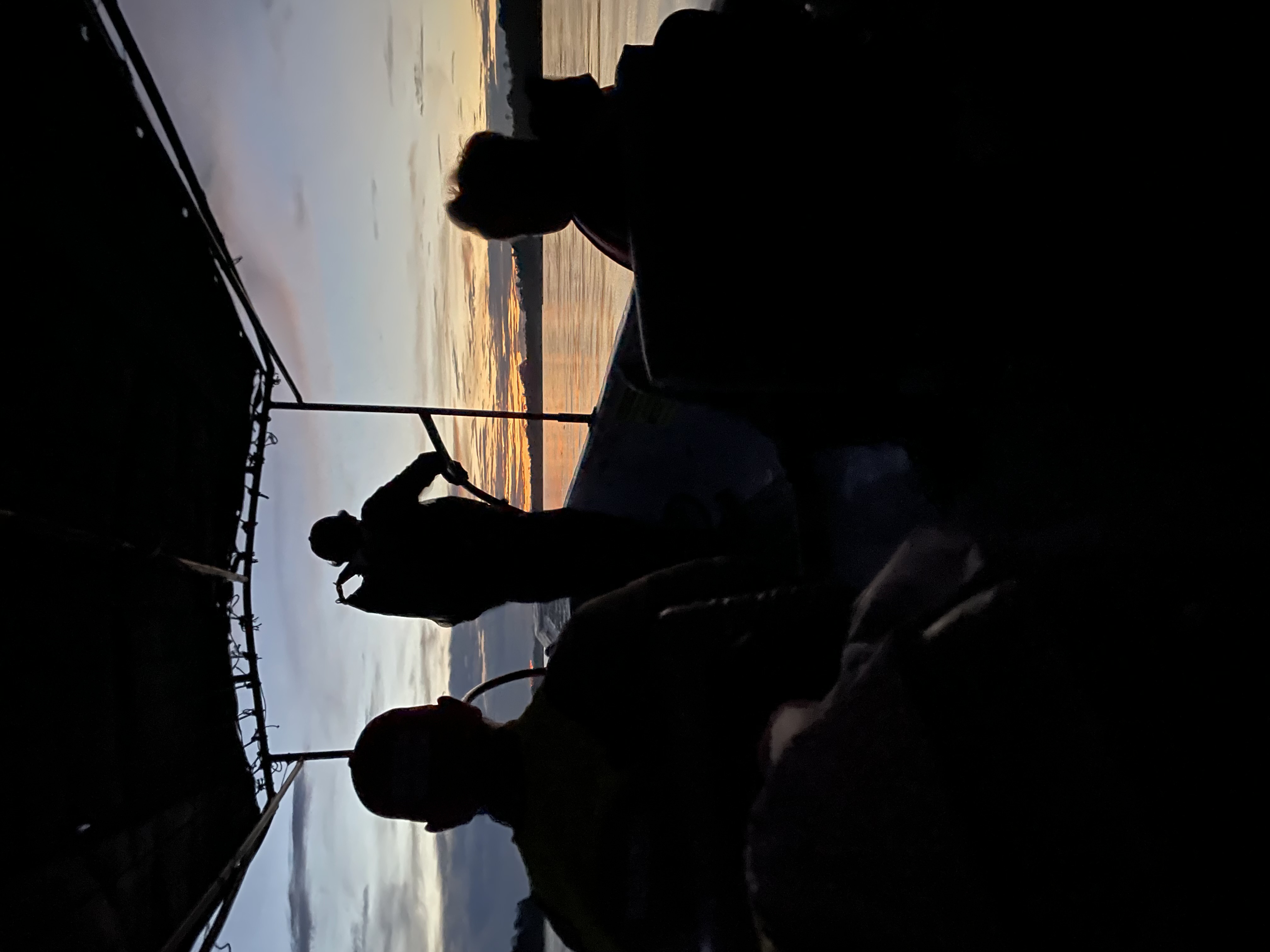
A warm welcome awaited us onboard, followed by an introduction to our expert naturalist guides. They gave us an overview of the Ecuadorian Amazon and a preview of the incredible wildlife and landscapes we might encounter. After settling into our cabin, we explored the ship and watched the sun sink over the rainforest as we cruised along the Napo River—a perfect first taste of this extraordinary place.
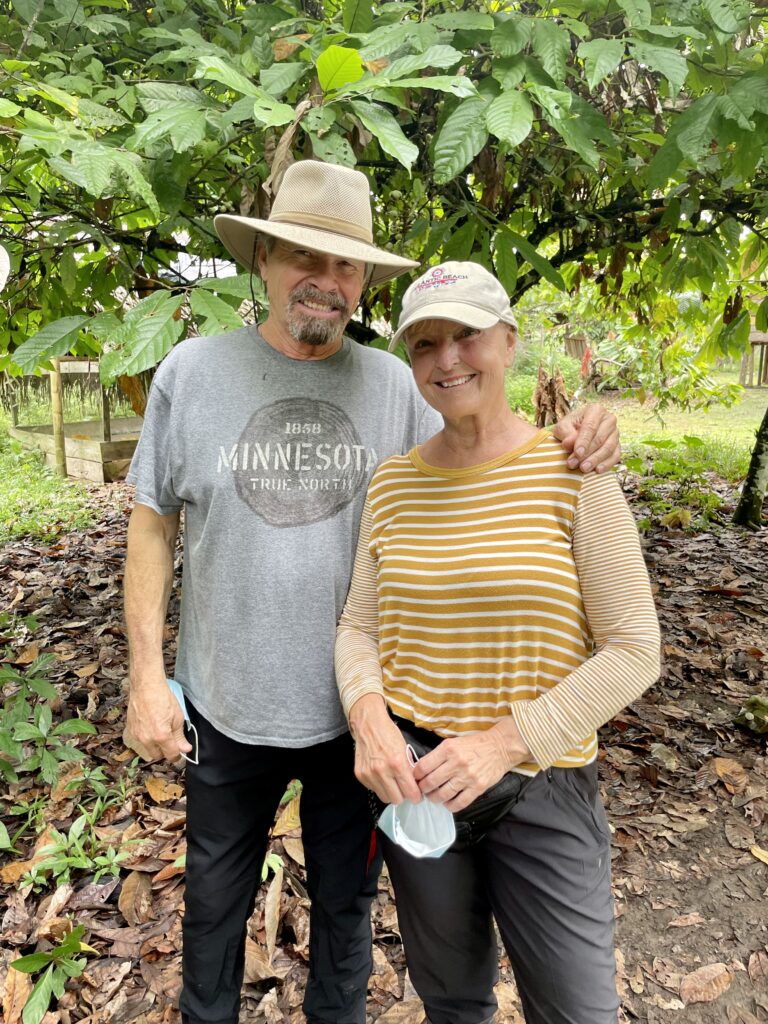
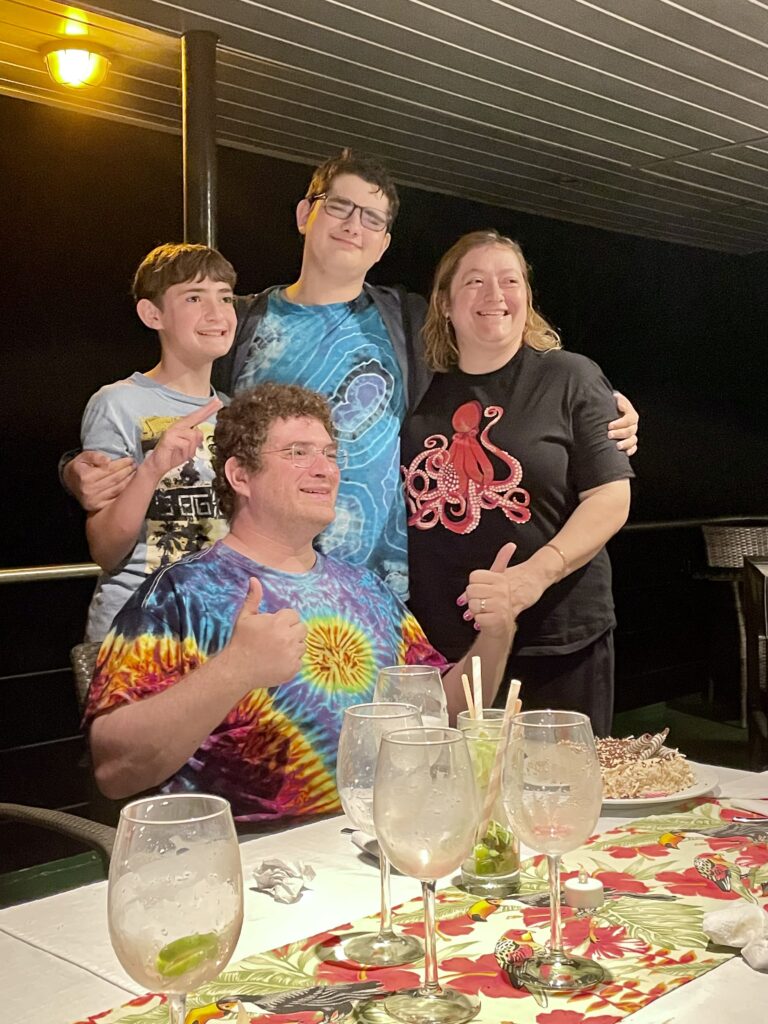
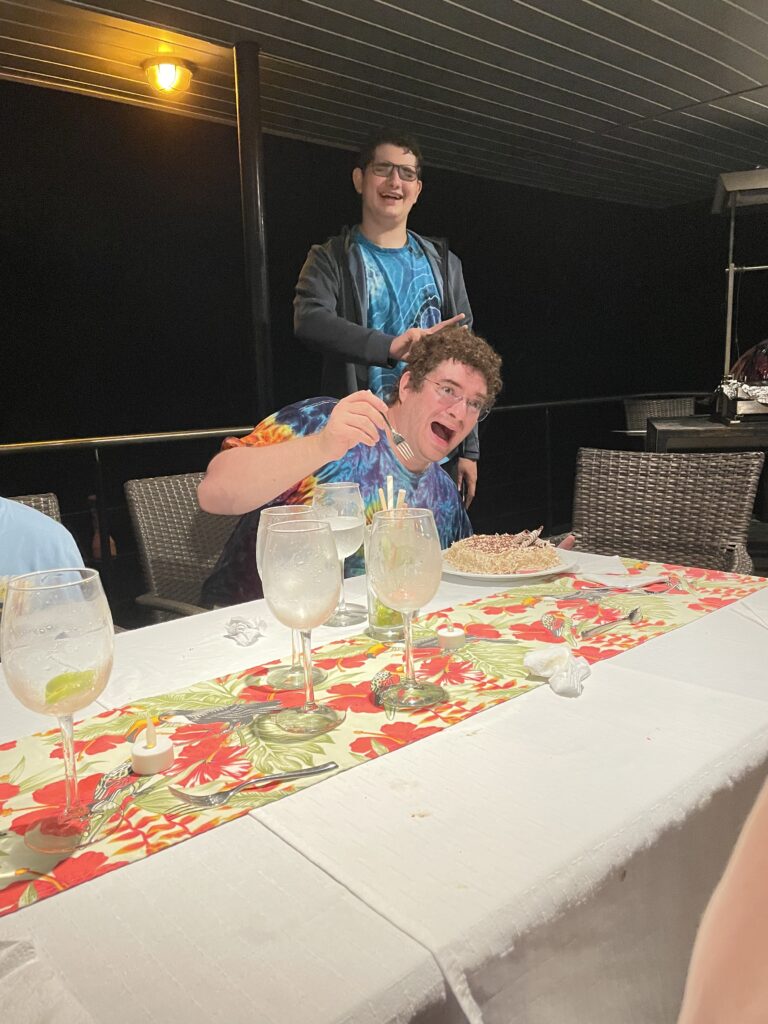
That evening, we also got to know our fellow travelers. One family in particular stood out: they wore nothing but tie-dye. At first, we weren’t sure what to make of them, but before long their quirky energy won us over. They were wonderfully odd in the best way—so much so that when the husband realized he hadn’t packed any pants, he confidently borrowed his wife’s bedazzled jeans and wore them one afternoon as if it were the most natural thing in the world. You couldn’t make it up, and it gave us endless laughs throughout the trip.
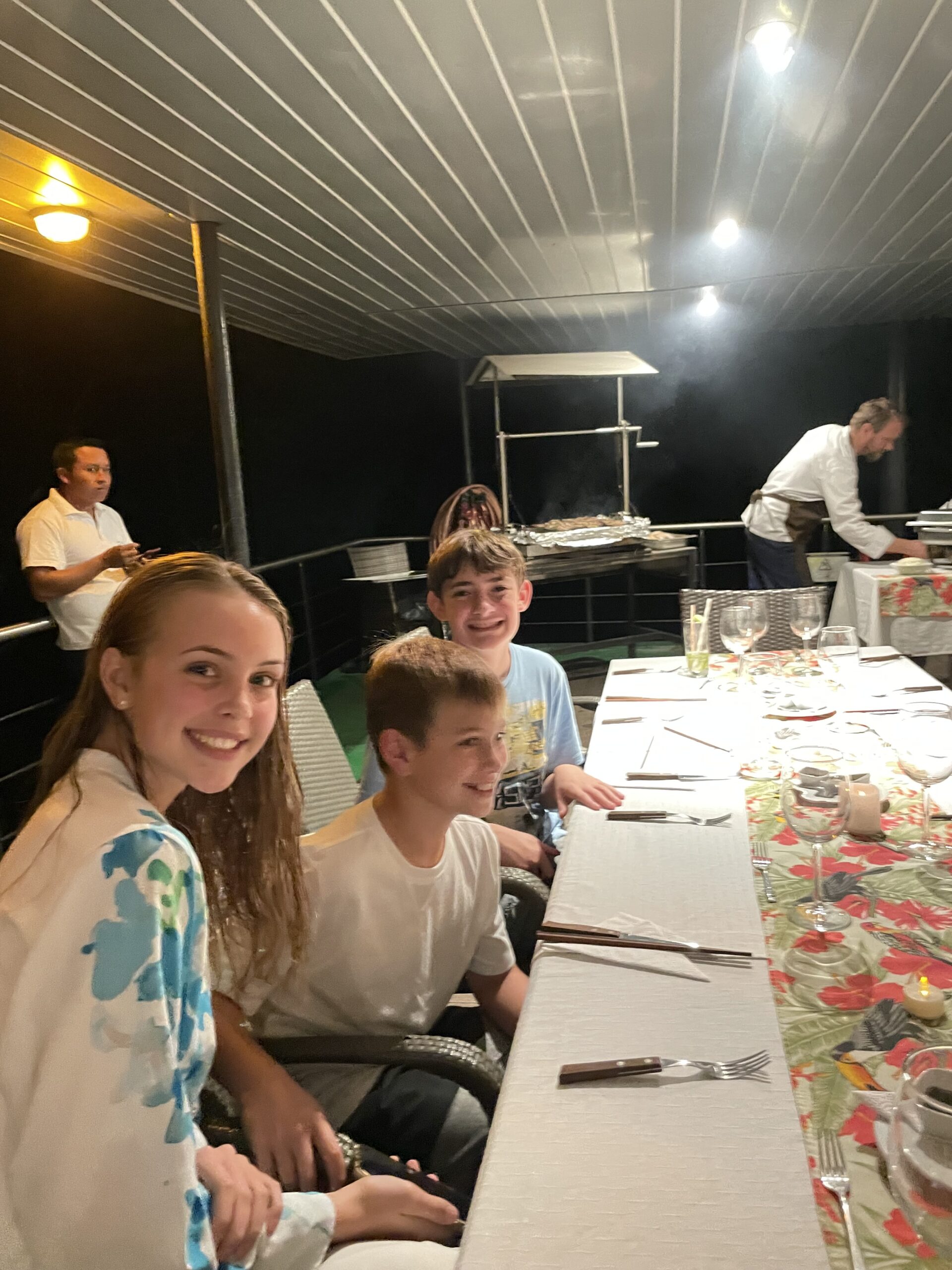
Dinner onboard was delicious, and afterward we retreated to our cabin, eager for rest so we could wake ready for tomorrow’s adventures.
Day 2: Wildlife Along the Napo River
Home of the Pink Dolphin & The Secoya Community
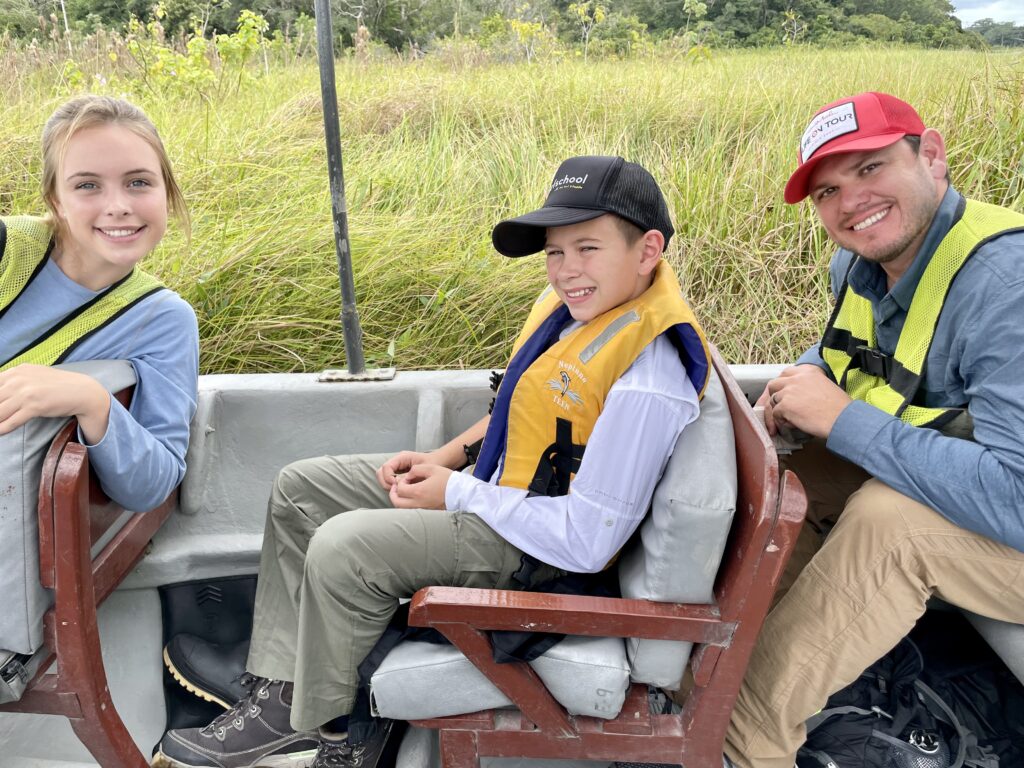
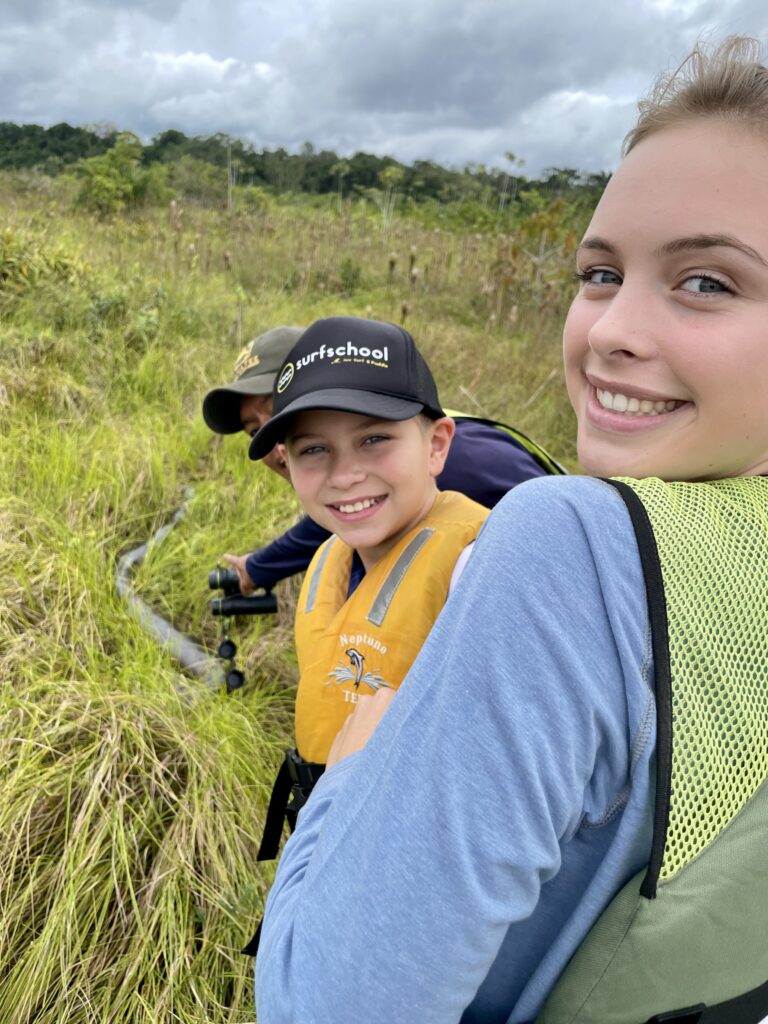
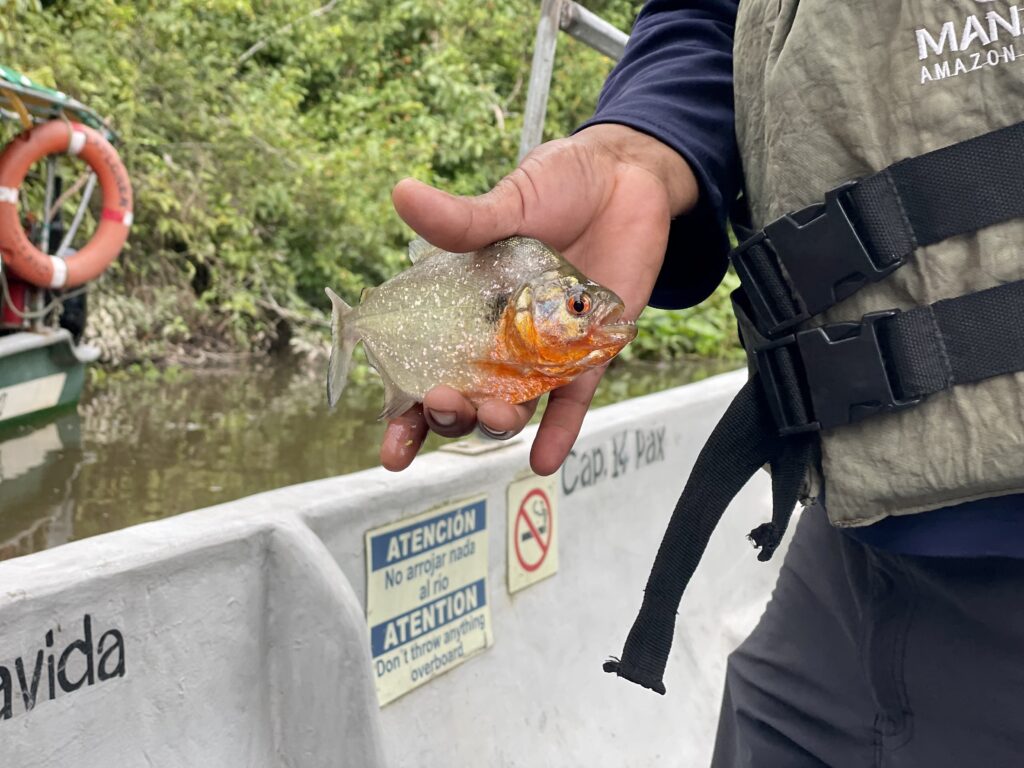
The morning began with an exploration of the lower Napo River, where the jungle quickly came alive around us. We spotted countless birds—herons, egrets, and flashes of colorful feathers overhead—as well as several different kinds of Amazonian monkeys swinging through the trees. The highlight of the morning was trying our hand at piranha fishing. Payne proudly caught one, and we saw its sharp teeth up close. Later, we were even able to glimpse a sleeping anaconda, its massive body reminding us just how powerful these creatures are.
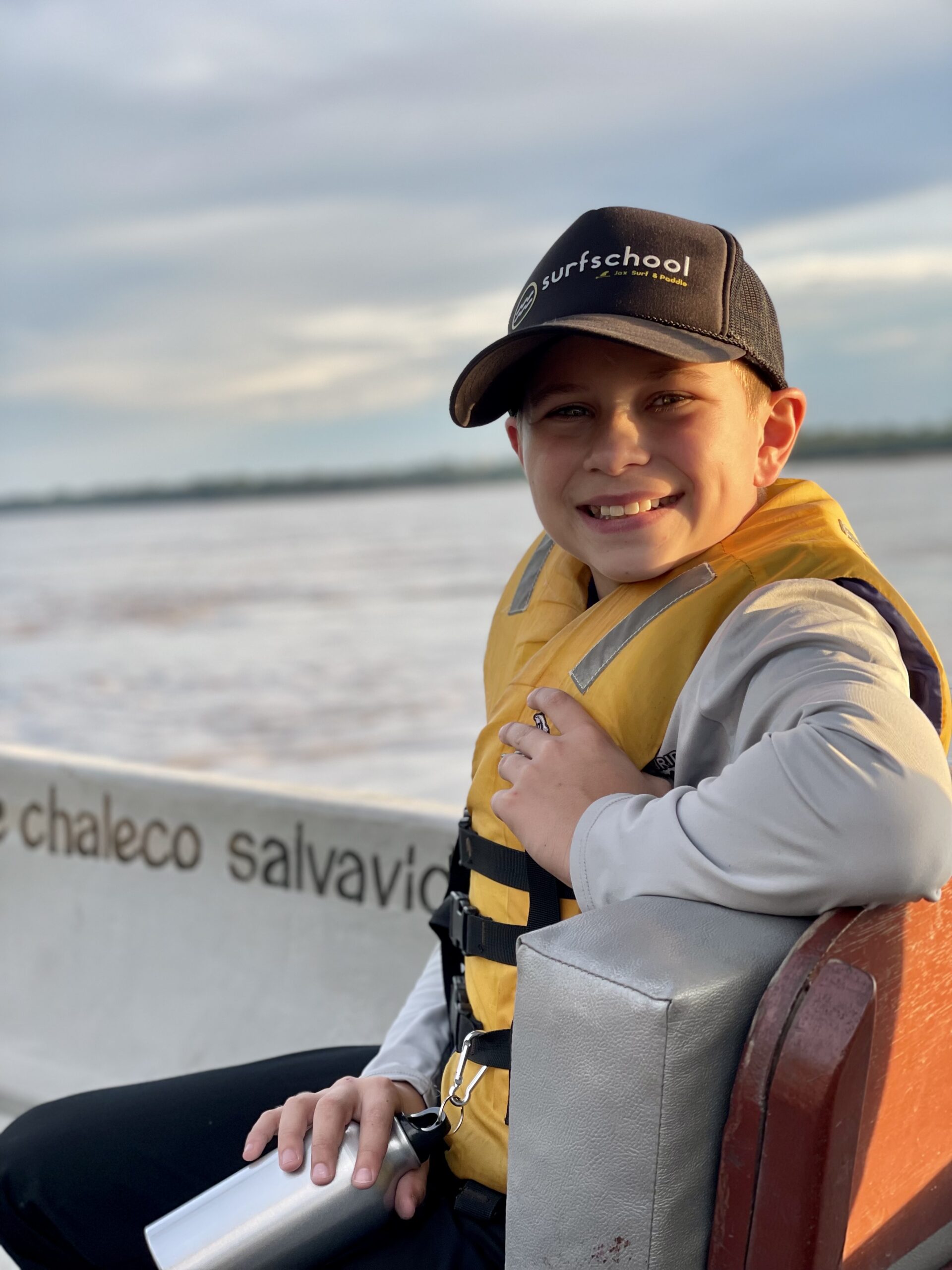
In the afternoon, we ventured into Yasuní National Park, one of the most biodiverse places on Earth and home to the legendary pink river dolphin. Something about the confluence of rivers between Peru and Ecuador creates the perfect habitat for them, and sure enough, we saw them surfacing around us. Their unusual shape and soft pink coloring were mesmerizing—strange and beautiful all at once. Seeing them in the wild was a moment we’ll never forget.
Day 3: Kichwa Community & Night Walk in the Rainforest
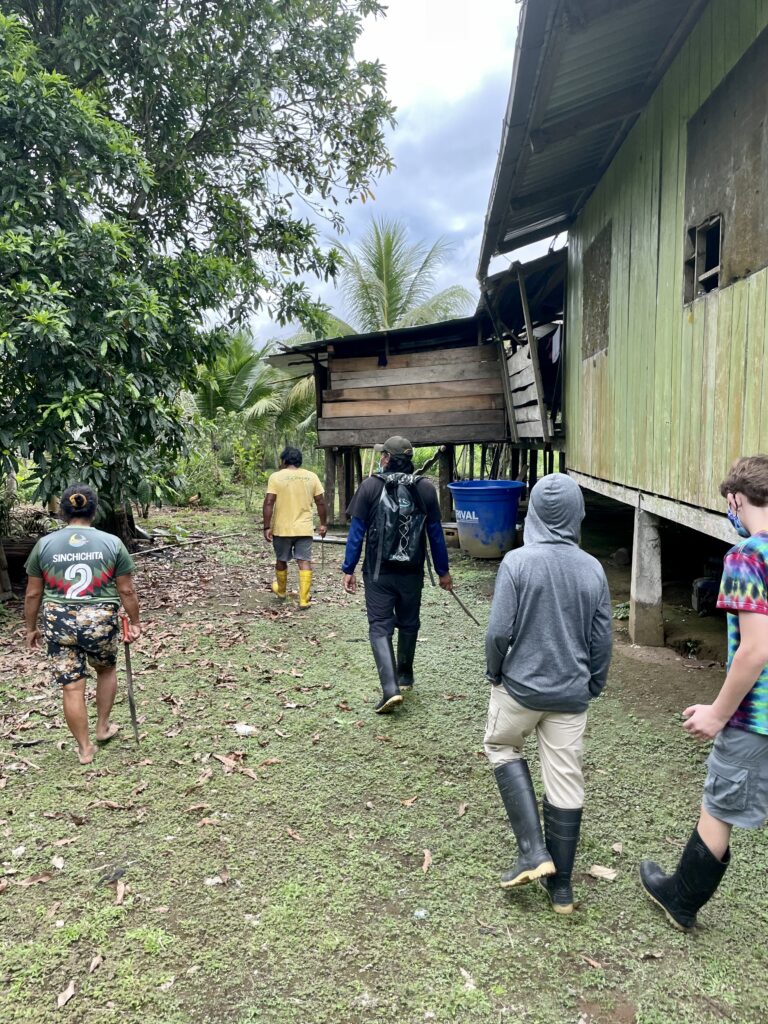
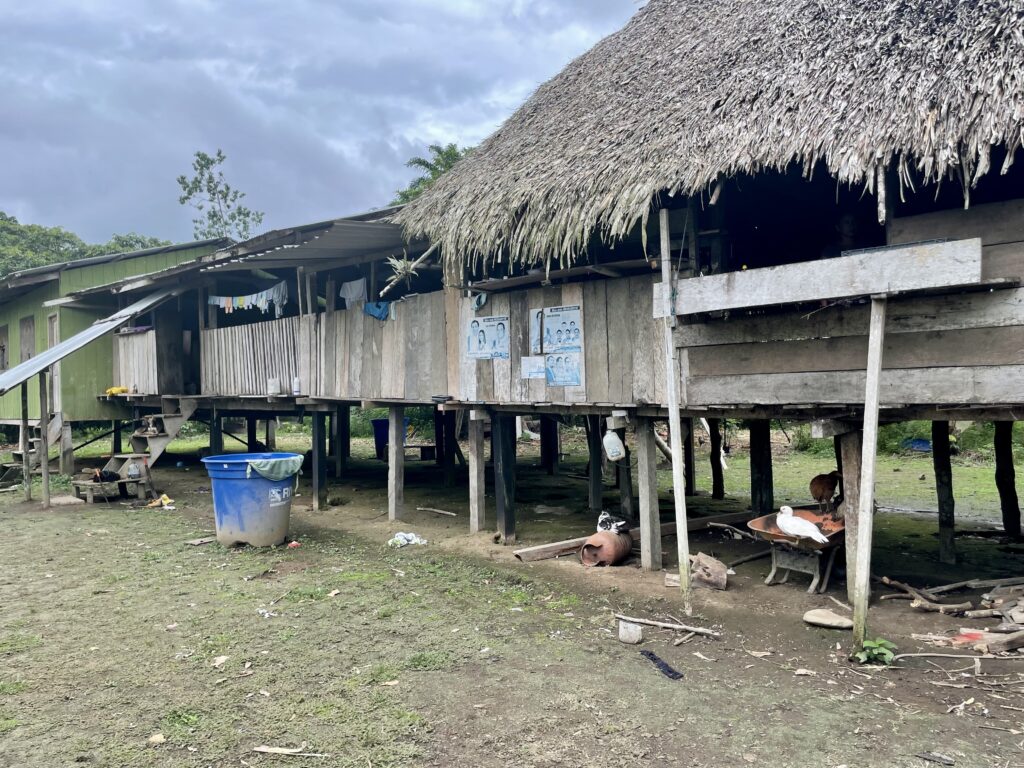
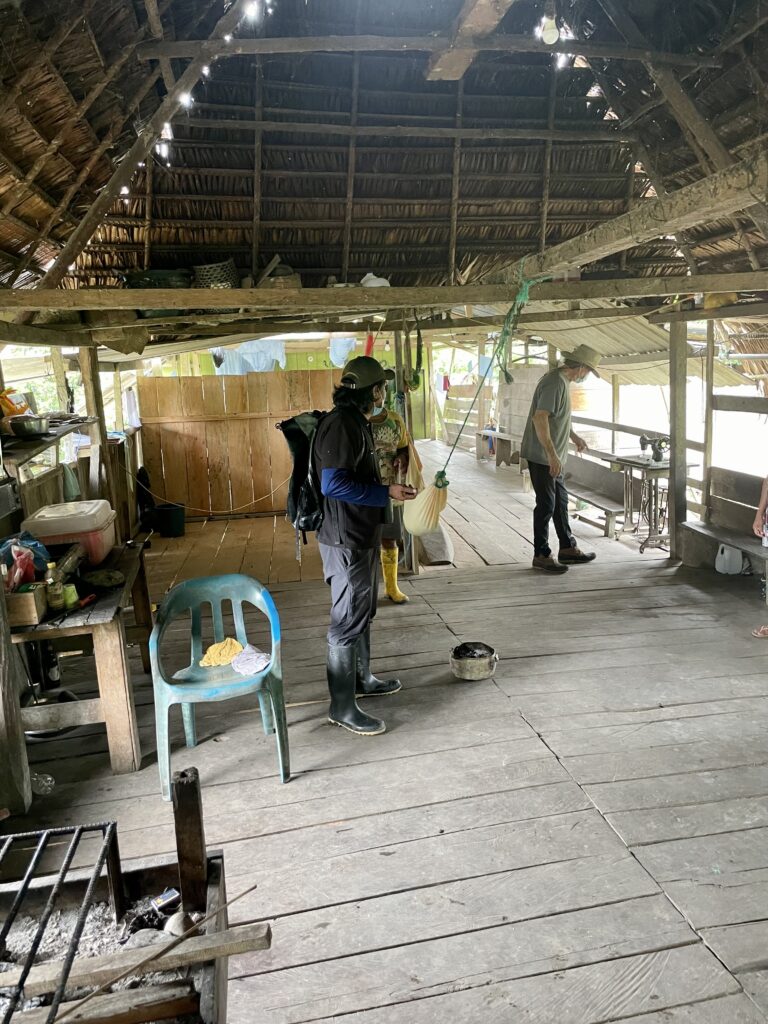
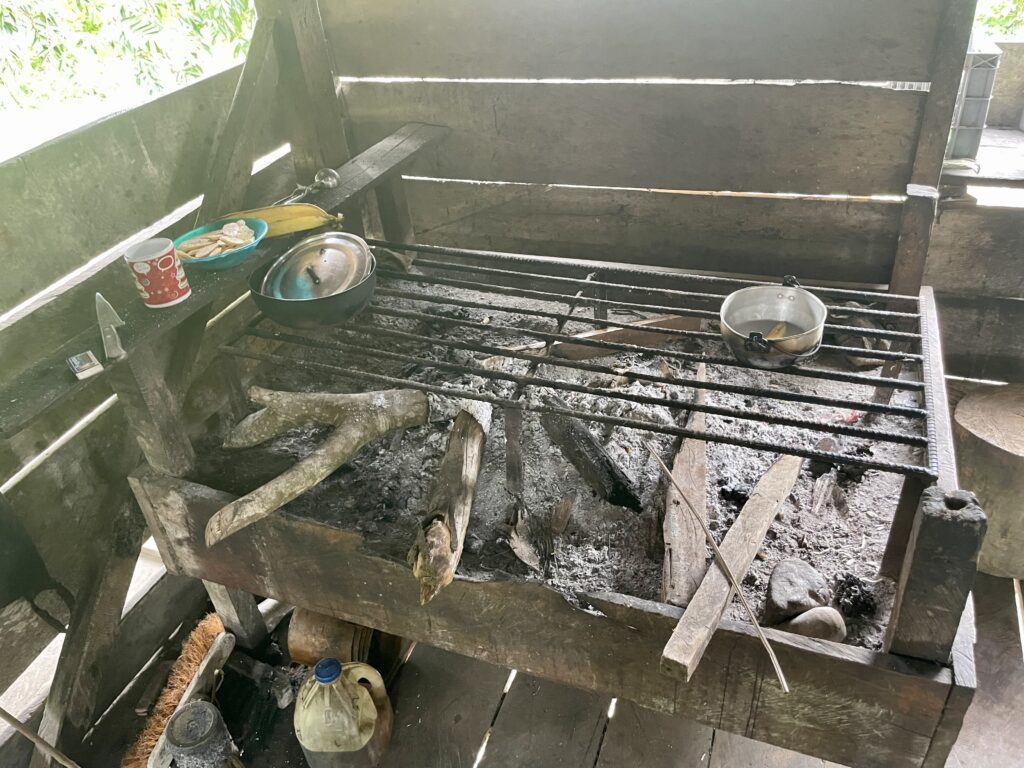
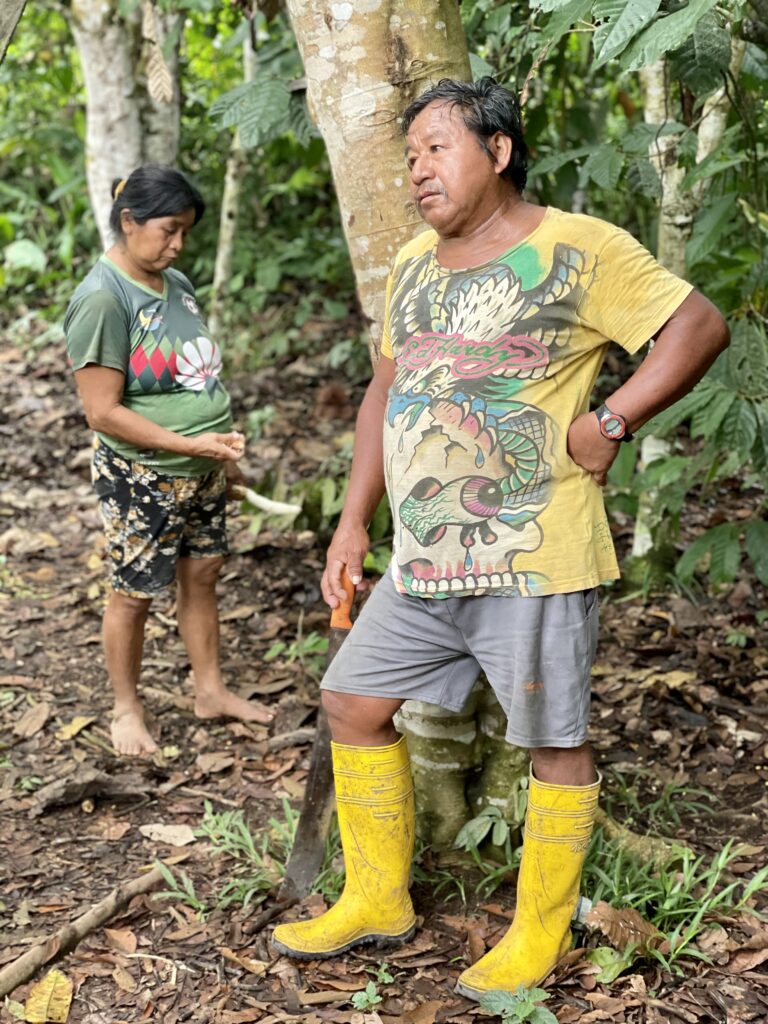
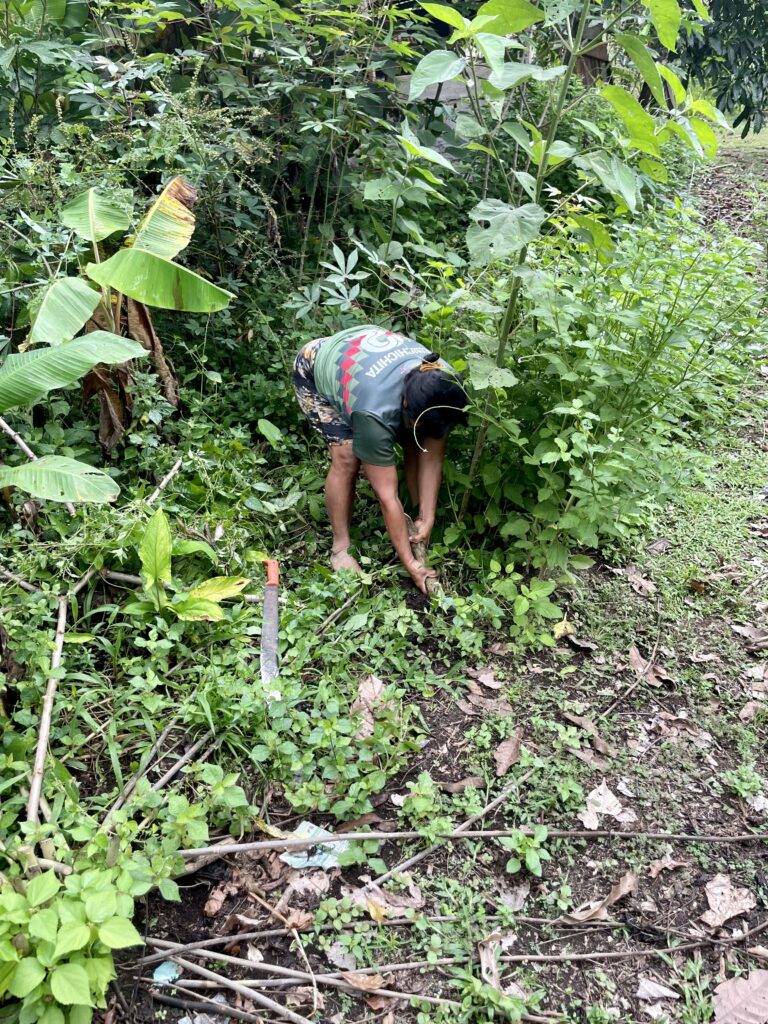
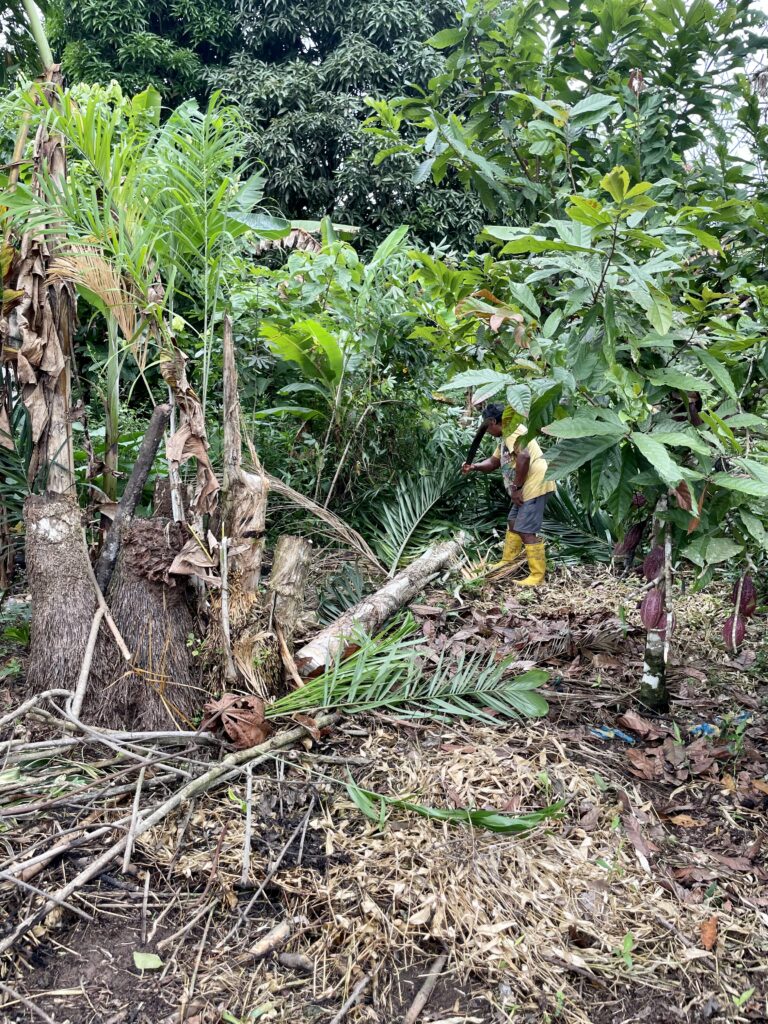
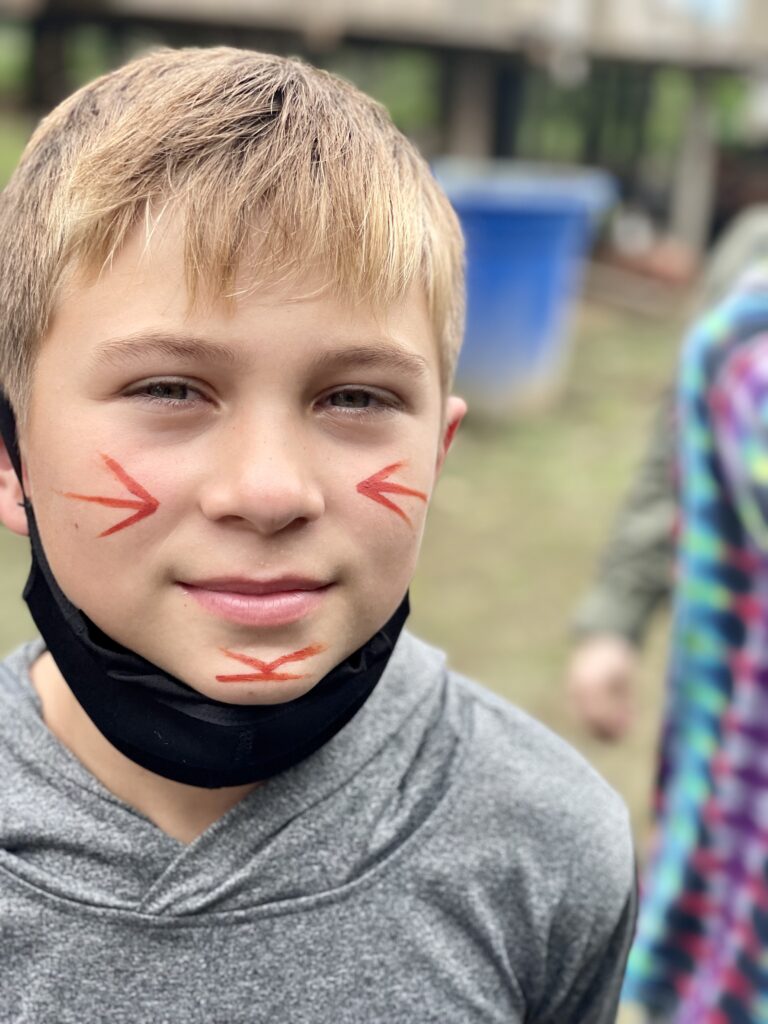
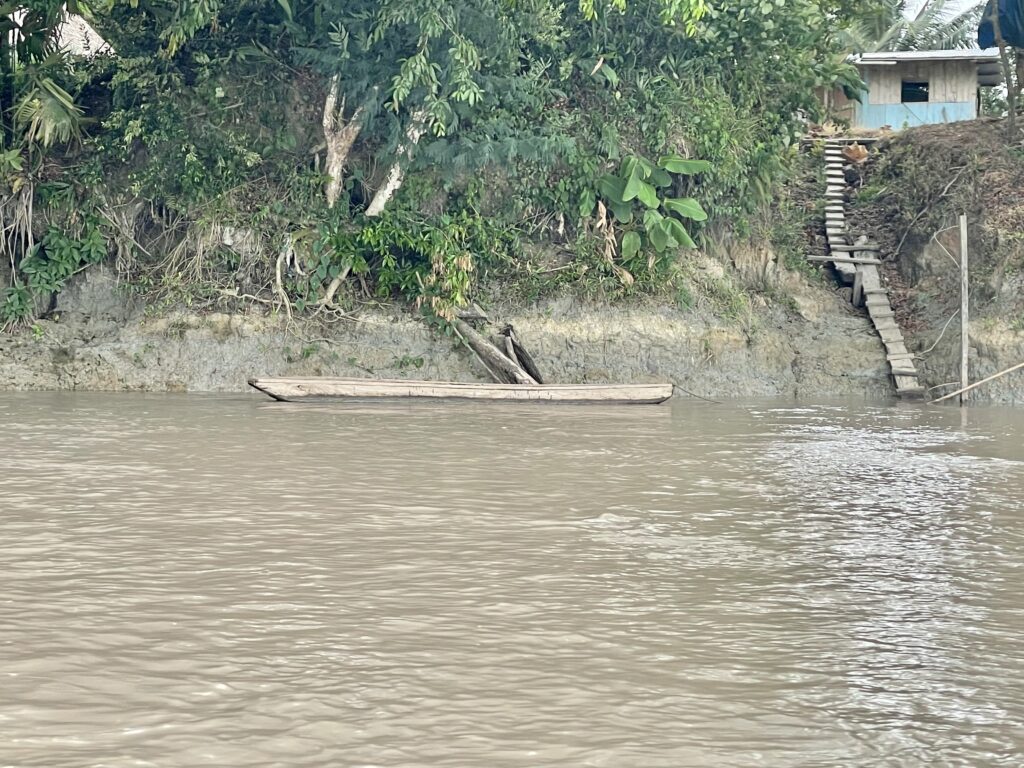
This morning we traveled along the banks of the Napo River to visit an authentic Kichwa family. It actually took us four stops before we found a family at home, but once we did, they welcomed us warmly into their community. We were invited to explore their home—which was a bit shocking to see compared to our own—and learned about the plants they grow and eat, as well as some of their traditions. It was a humbling experience that gave us a deeper appreciation for the close connection between the people of the Amazon and the land that sustains them.
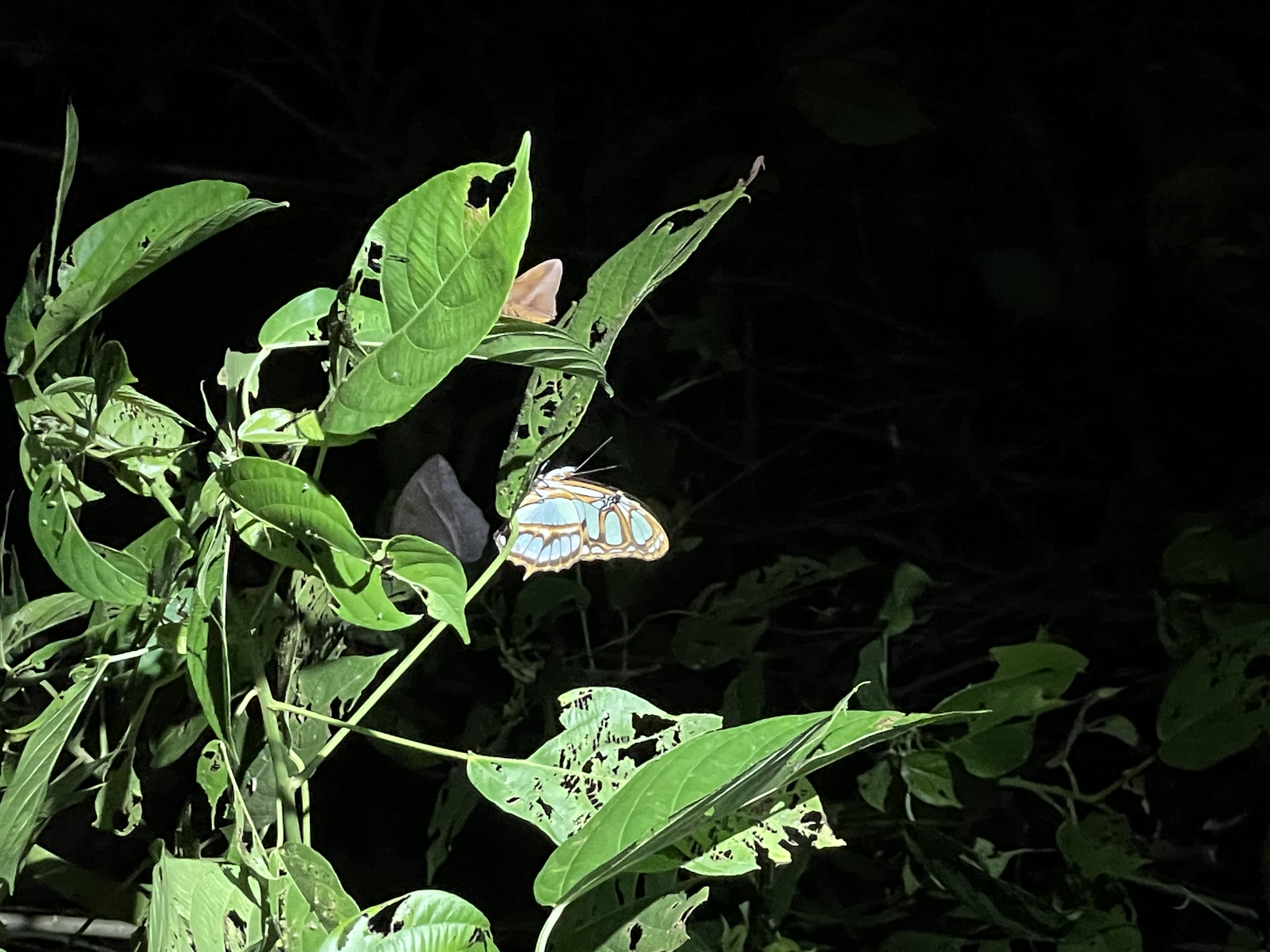
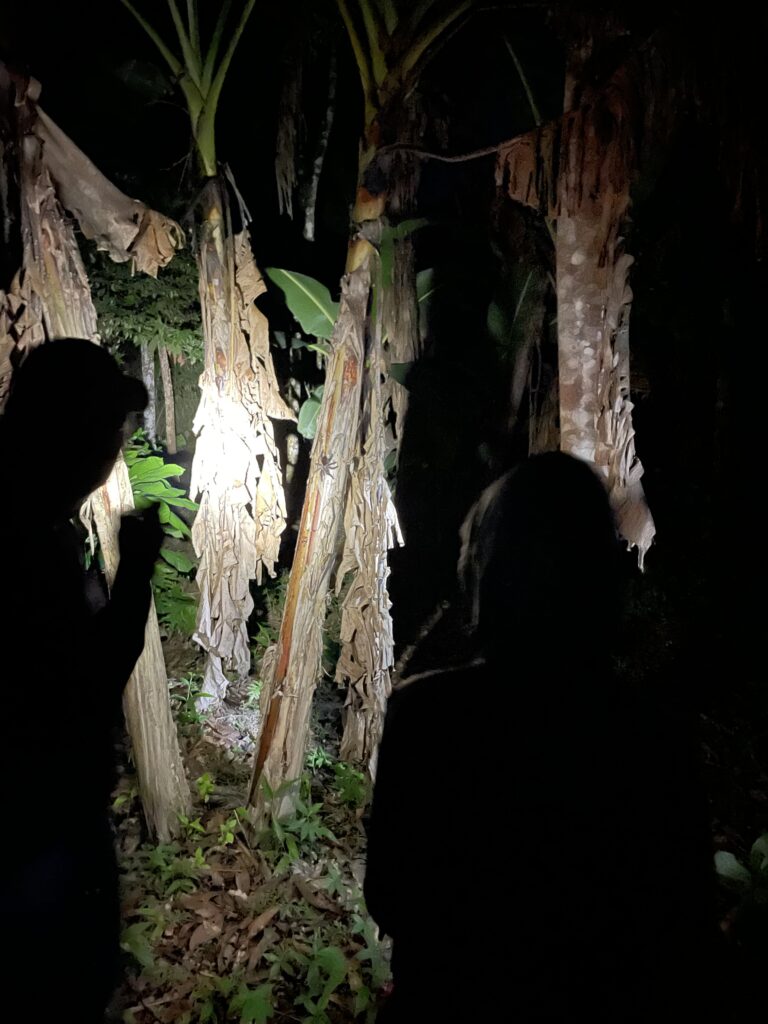
After a delicious dinner back on the ship, we set out for a nighttime forest walk. With only flashlights to guide us, the jungle felt both mysterious and eerie in the pitch black. The rainforest was alive with sounds, and before long we spotted all kinds of nocturnal creatures, including a giant tarantula. Creepy as it was, the experience was unforgettable—a glimpse into the hidden world that only awakens after dark.
Day 4: Forest Adventure & Observation Canopy Tower
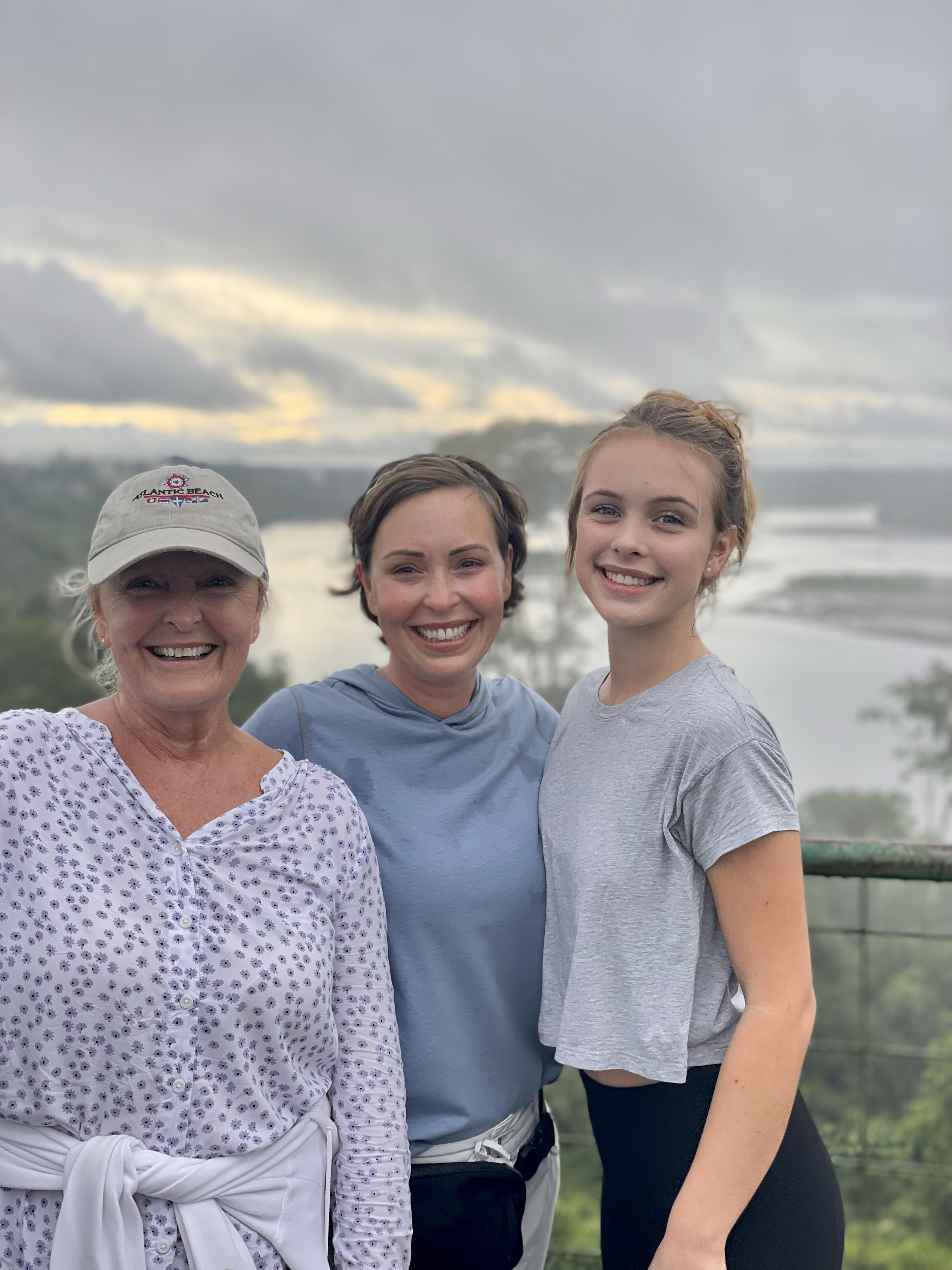
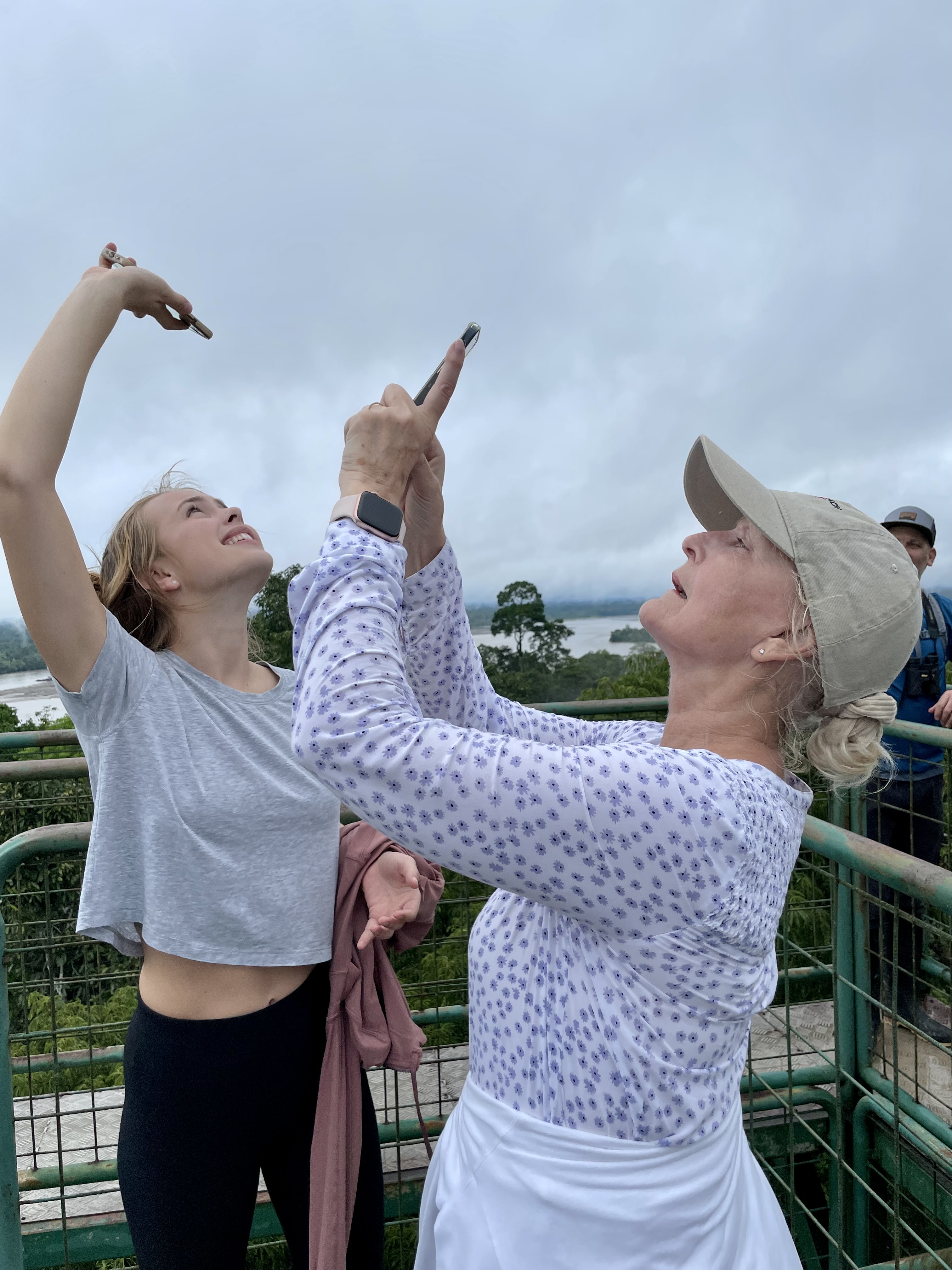
We began the day in the Napo Wildlife Center with a climb up an observation tower built into a giant millenary kapok tree. From the top, we were rewarded with an incredible 360° view stretching endlessly over the forest canopy—a rolling sea of green as far as the eye could see. Ava and Gigi joked that they might finally get cell service up there, which made everyone laugh and reminded us just how far from everyday life we were.
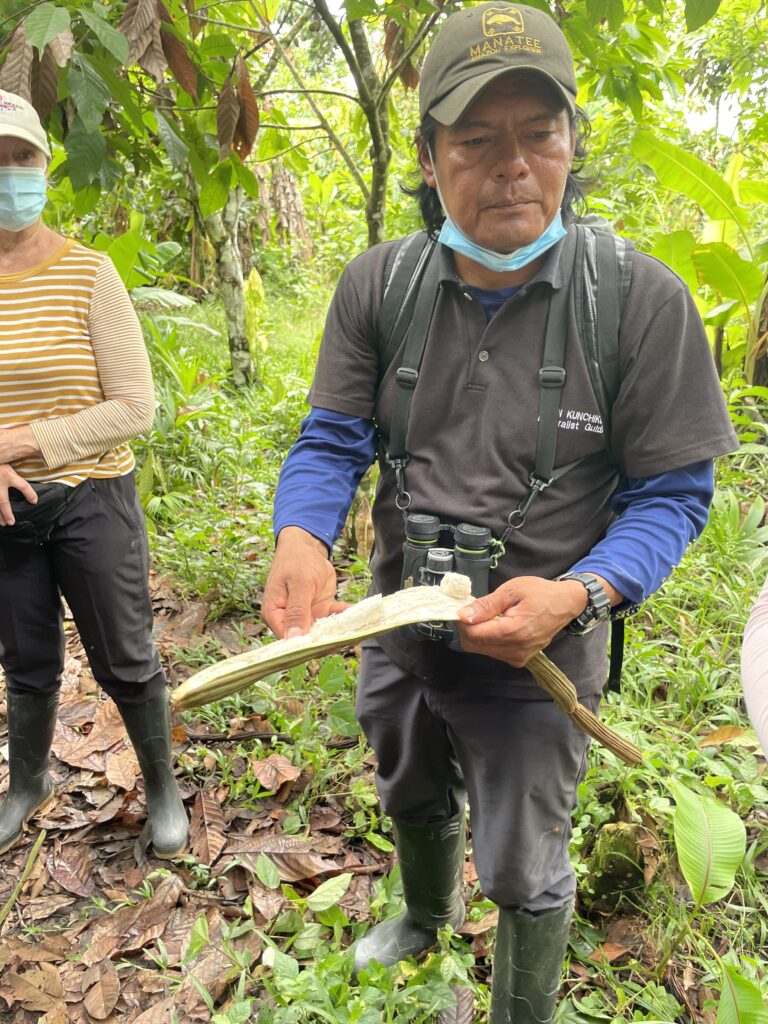
In the afternoon, we ventured into the primary forest with our guide, who introduced us to the hidden world of plants and animals thriving beneath the canopy. Payne proved braver than the rest of us and ate a lemon ant—tiny but bursting with a tangy, salty-lemon flavor. Along the way, our guide amazed us with his knowledge of the forest’s resources. With just a few quick movements, he fashioned a purse entirely from materials he gathered right in front of us, something he used to do as a child growing up in the Amazon.
We had hoped to cap the day by visiting the famous Parrot Clay Lick, where hundreds of parrots, parakeets, and macaws often gather in a colorful spectacle. But the rain kept them away this time—an excuse, perhaps, to come back one day.
It was a day that blended awe, curiosity, and play, reminding us how much there is to learn from both the rainforest and the people who know it best.
Day 5– Farewell to the Amazon and Back to Civilization
This morning marked the end of our Amazon adventure as we disembarked the Manatee Amazon Explorer and boarded the motorized canoe for the 90-minute ride back to Coca. We soaked in our final, misty views of the river before heading back toward the city. Along the way, Ava had an urgent bathroom break, so the guides pulled the canoe over to the rainforest edge. When she returned, she was suddenly covered in bullet ants! Thankfully, we quickly pulled off her coat and checked—none had gotten onto her. Poor girl! It gave us quite a scare, but it also left us with one more unforgettable Amazon story to laugh (and shiver) about later.
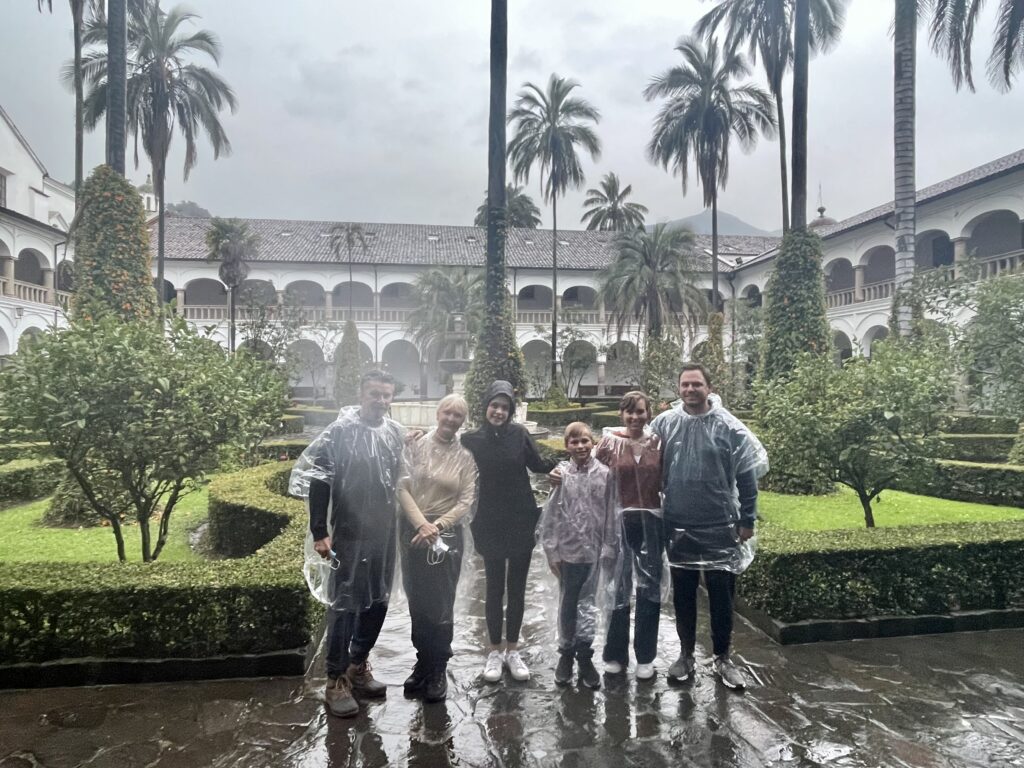
From Coca, we flew back to Quito, where we spent the afternoon exploring the UNESCO World Heritage–listed Old Town. Quito is known as one of the most beautiful historic centers in South America, and it didn’t disappoint.
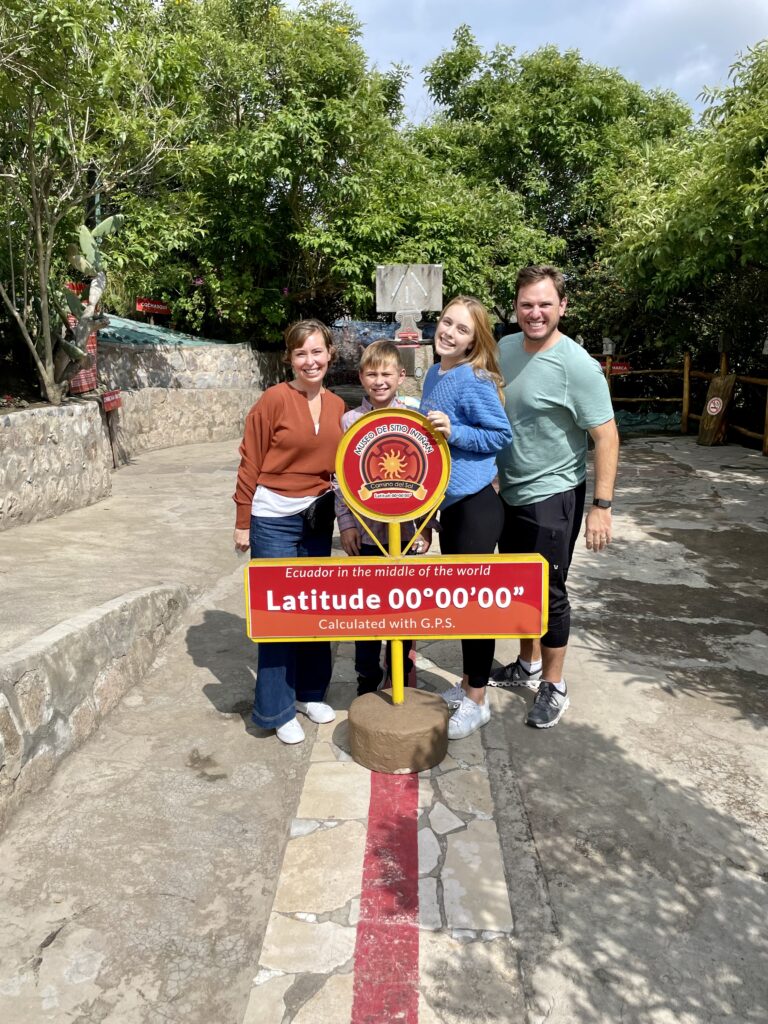
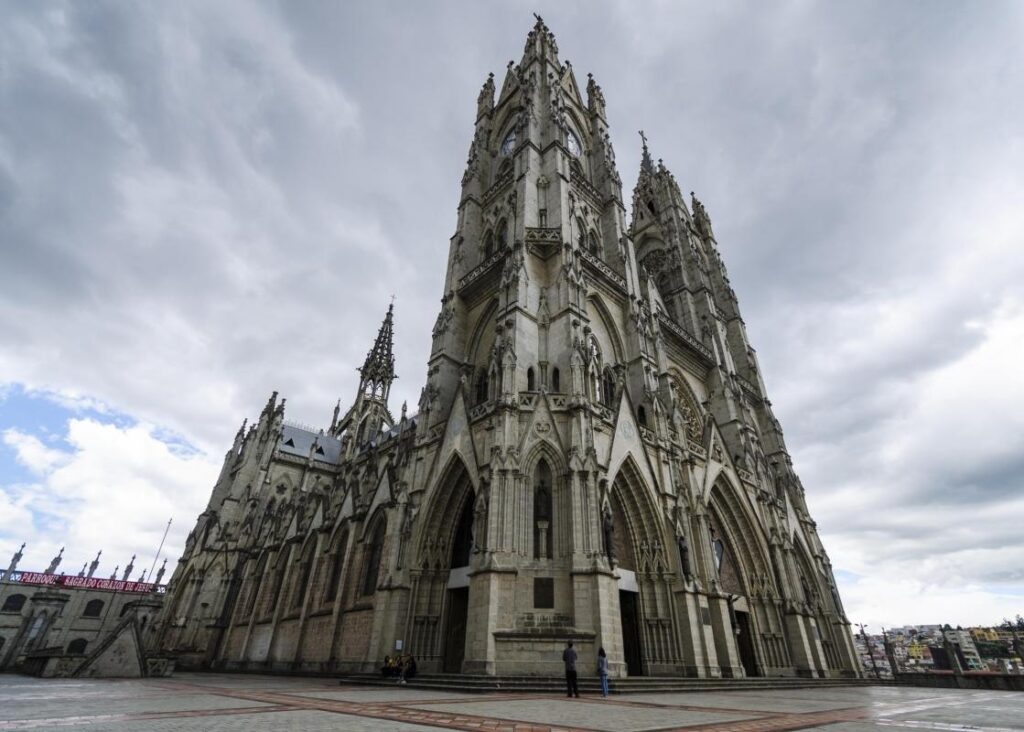
We began at the Middle of the World Monument, where we straddled the equator—a fun reminder of just how far from home we were. From there, we visited the Basílica del Voto Nacional, a massive neo-Gothic church and the largest of its kind in the Americas. Its spires tower over the city, and the stonework is breathtaking.
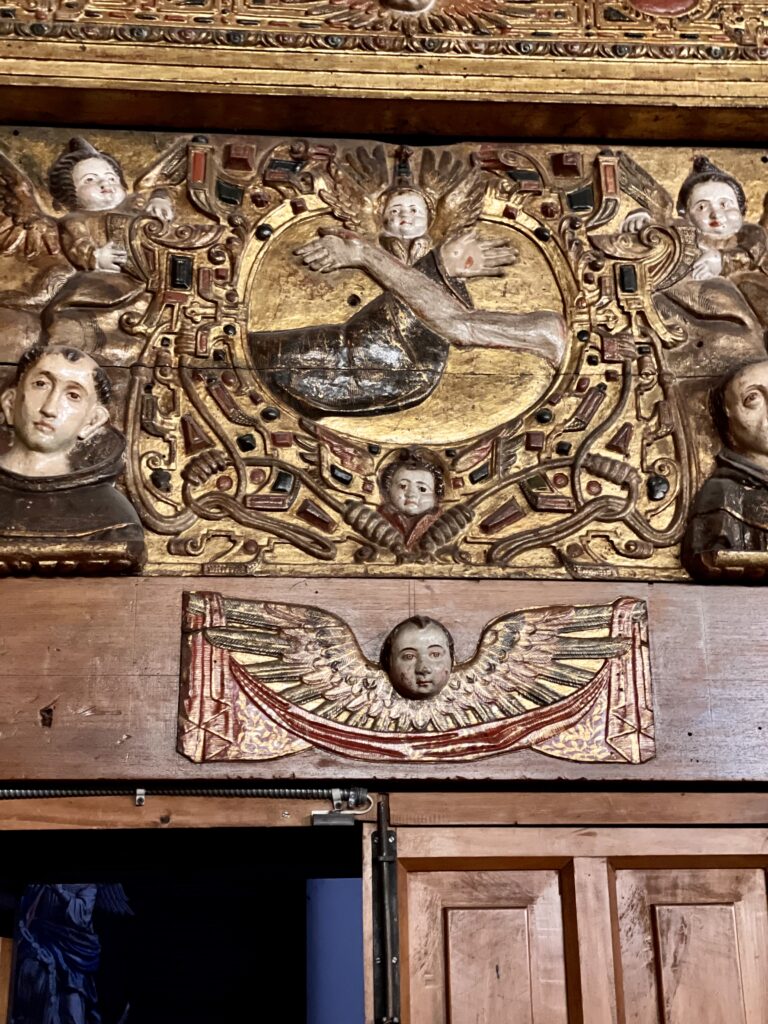
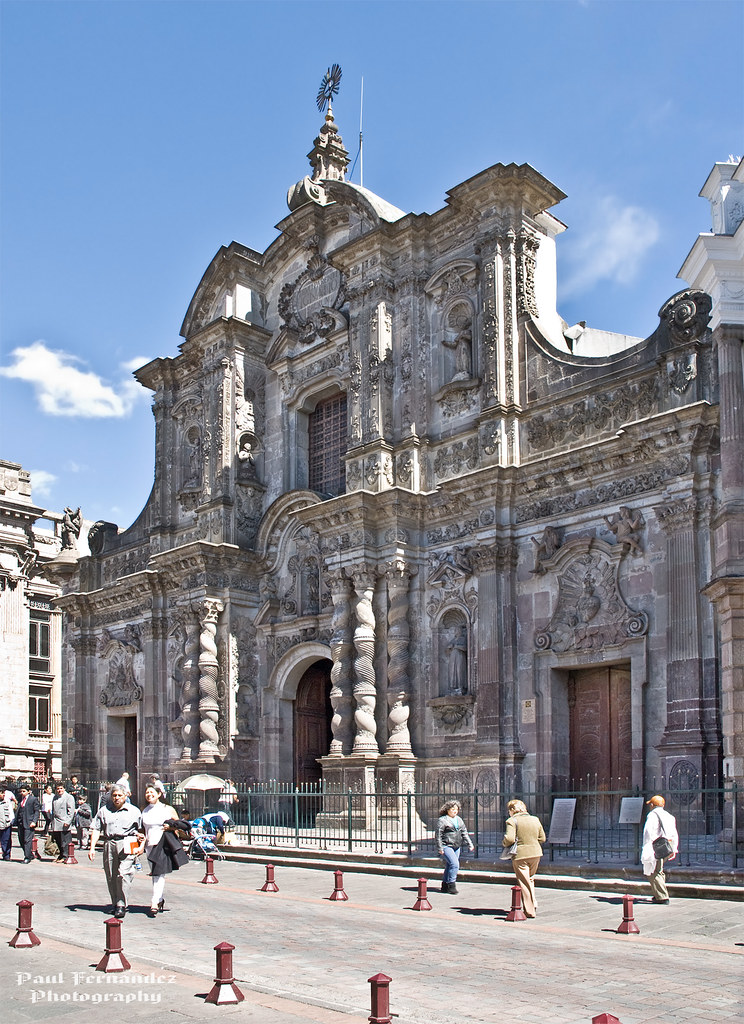
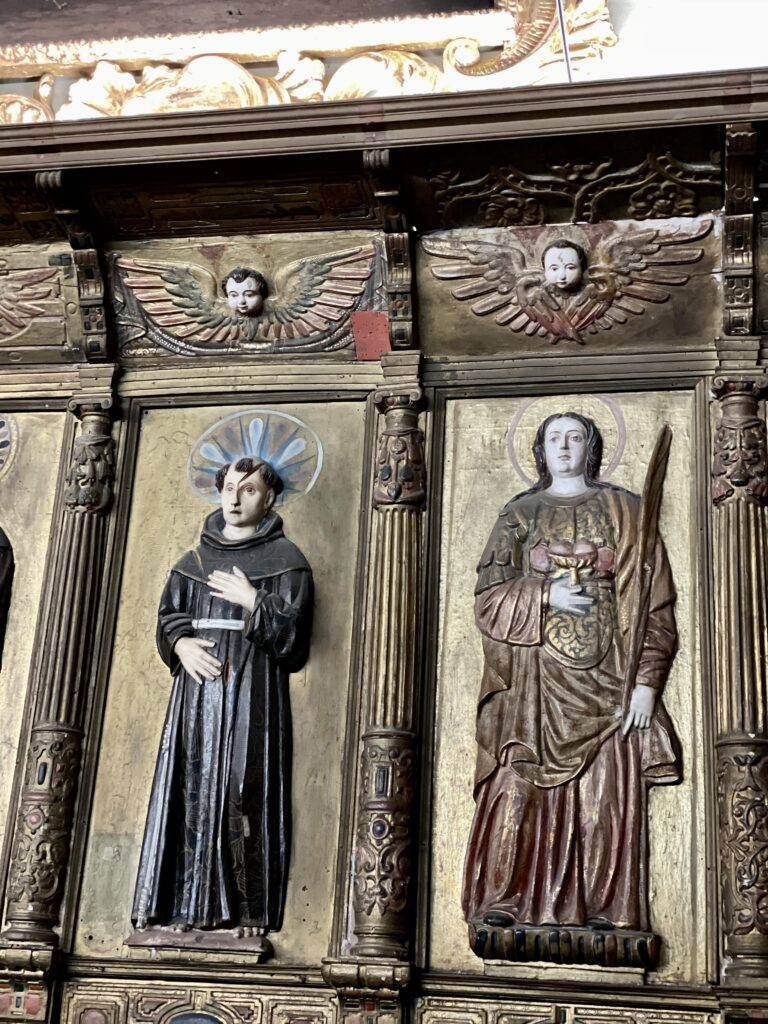
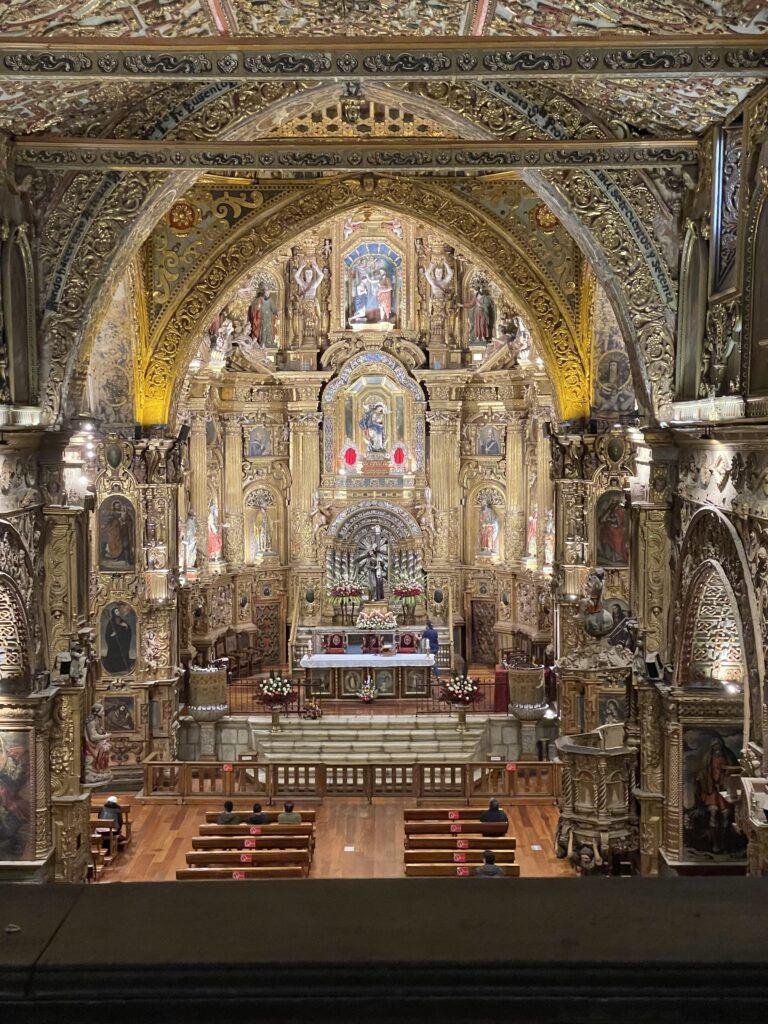
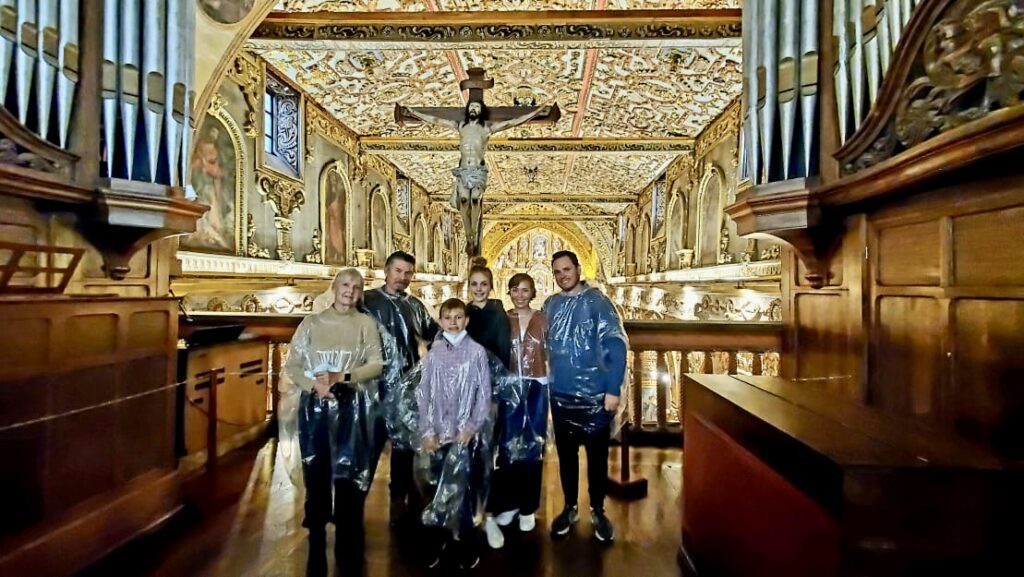
The highlight of the day, however, was stepping inside the Iglesia de la Compañía de Jesús, or simply La Compañía. Its volcanic-stone façade is impressive, but the true magic lies within: nearly every surface of the interior is covered in gold leaf, shimmering in the dim light. It’s considered one of Ecuador’s greatest treasures, both for its beauty and its history. What makes it even more remarkable is the role of Indigenous artisans. Their craftsmanship brought the Jesuit vision to life, blending European Baroque with local traditions. If you look closely, you can spot Andean motifs hidden in the details—faces, plants, and even sun symbols that echo Indigenous cosmology. This fusion created the unique “Andean Baroque” style that sets Quito’s art apart.
Quito is also home to the Quito School (Escuela Quiteña), a renowned artistic tradition of the 17th and 18th centuries that combined European techniques with Indigenous artistry. Works from this school became so highly regarded that even King Carlos III of Spain compared one of its sculptors, Caspicara, to Michelangelo himself. Standing in La Compañía, it was easy to see why.
We ended the day looking out at El Panecillo, a volcanic hill overlooking the city. At its summit stands the famous winged Virgin—the only Madonna statue in the world depicted with angel wings. From this vantage point, Quito stretched endlessly before us, a blend of colonial streets, Andean peaks, and vibrant culture.
Walking through the capital, with its cobbled lanes and rich history, was the perfect way to transition from the wildness of the jungle back into city life.
Our Amazon journey had officially come to an end—but the memories, from pink dolphins to night walks in the rainforest, will stay with us forever.