Thursday March 2nd – Saturday, March 11th 2023
Day 1 | Fez – Lost Luggage & Ancient Alleys
We landed in Casablanca in the morning, only to learn our flight had been delayed long enough to cut our stay in Fez to just one night. To make matters even more interesting, our luggage was lost in transit.
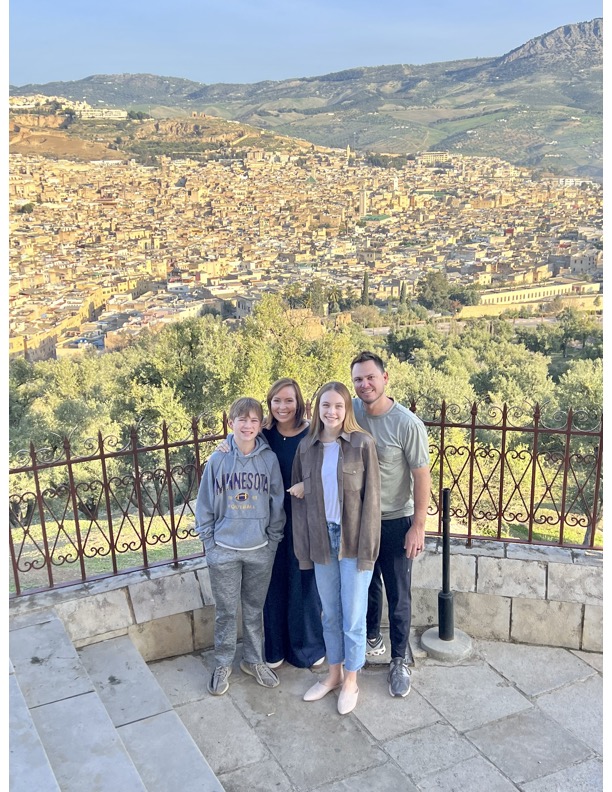
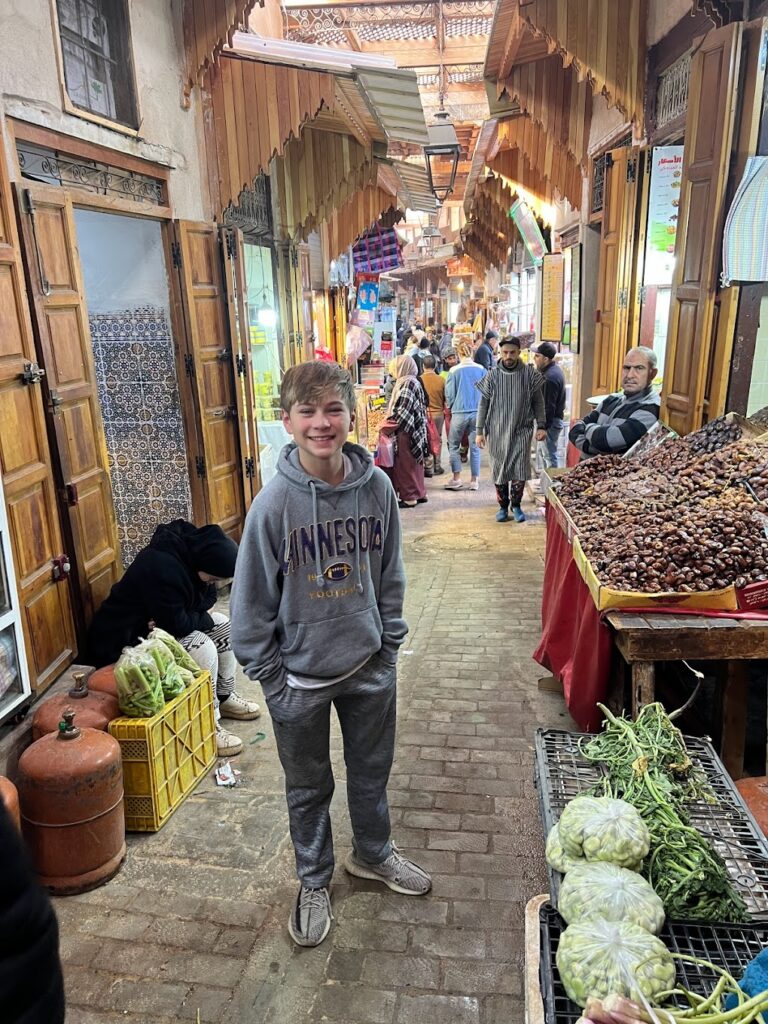
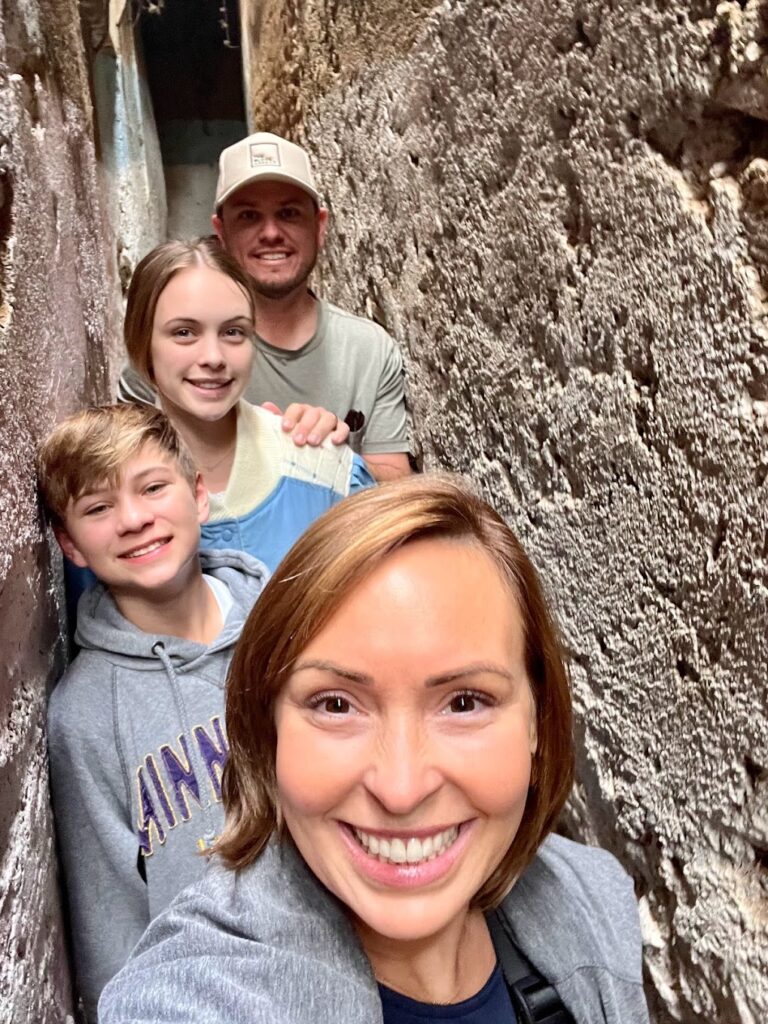
Our six-hour exploration took us deep into the labyrinth of Fez el-Bali, the UNESCO-listed Medina with over 9,000 alleys—so winding that without a guide (or a donkey), we’d surely still be lost. Highlights included:
- Bab Boujloud – the “Blue Gate,” where the modern city gives way to medieval Fez.
- Bou Inania Madrasa – one of the few religious sites open to non-Muslims, its cedar carvings and marble courtyard are breathtaking.
- Al-Attarine Madrasa – another gem of intricate zellige tilework, with rooftop views over the Qarawiyyin Mosque.
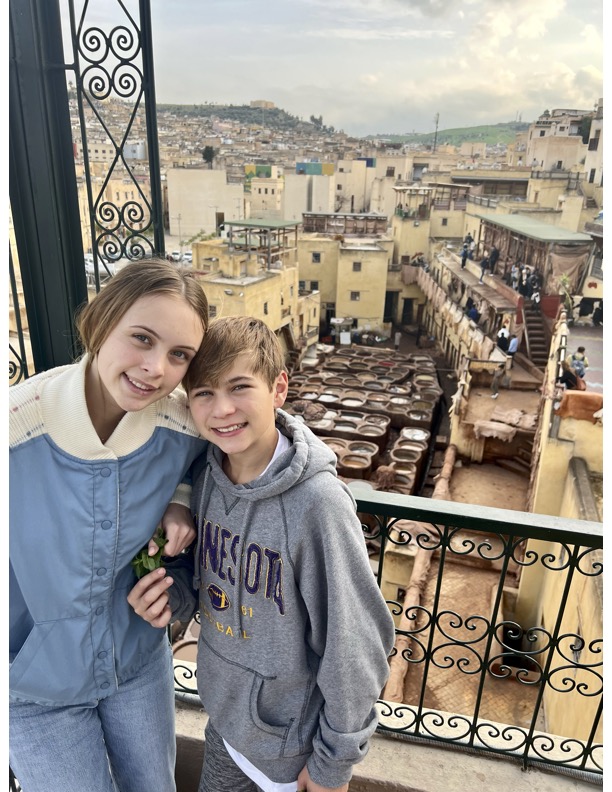
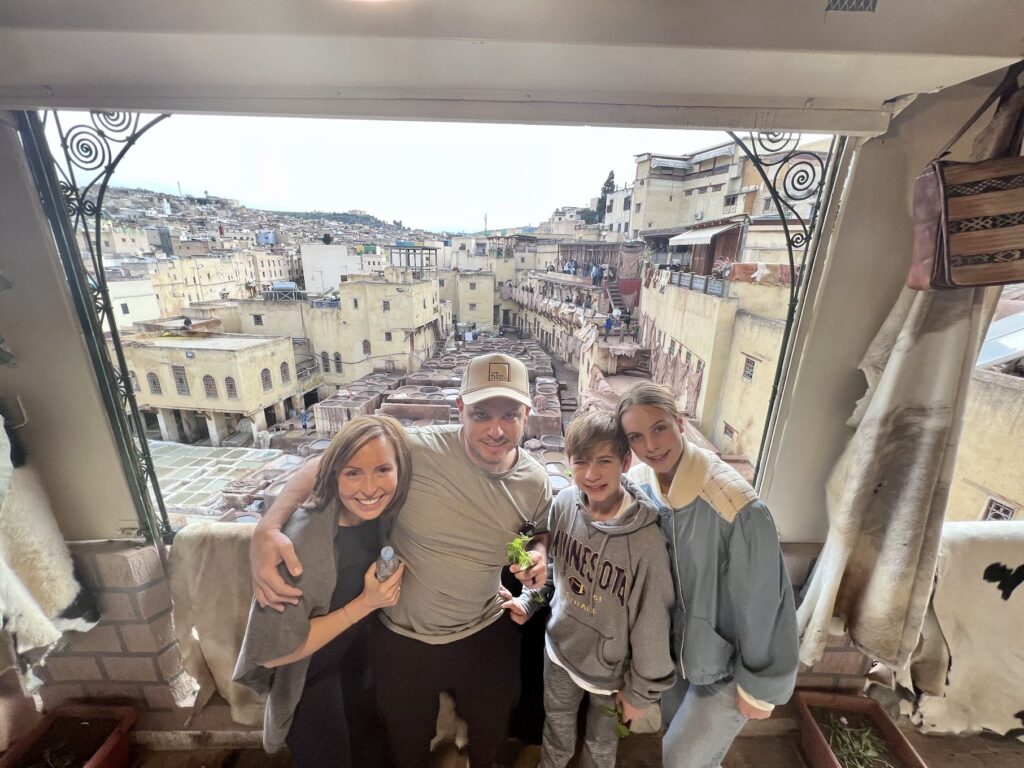
- Chouara Tannery – a kaleidoscope of dyeing pits, best appreciated from above.
- Souks & Markets – where we watched artisans at work and admired spices, ceramics, and intricate metalwork.
- University of Al Quaraouiyine, founded in 859 AD, considered the oldest continuously operating university in the world.
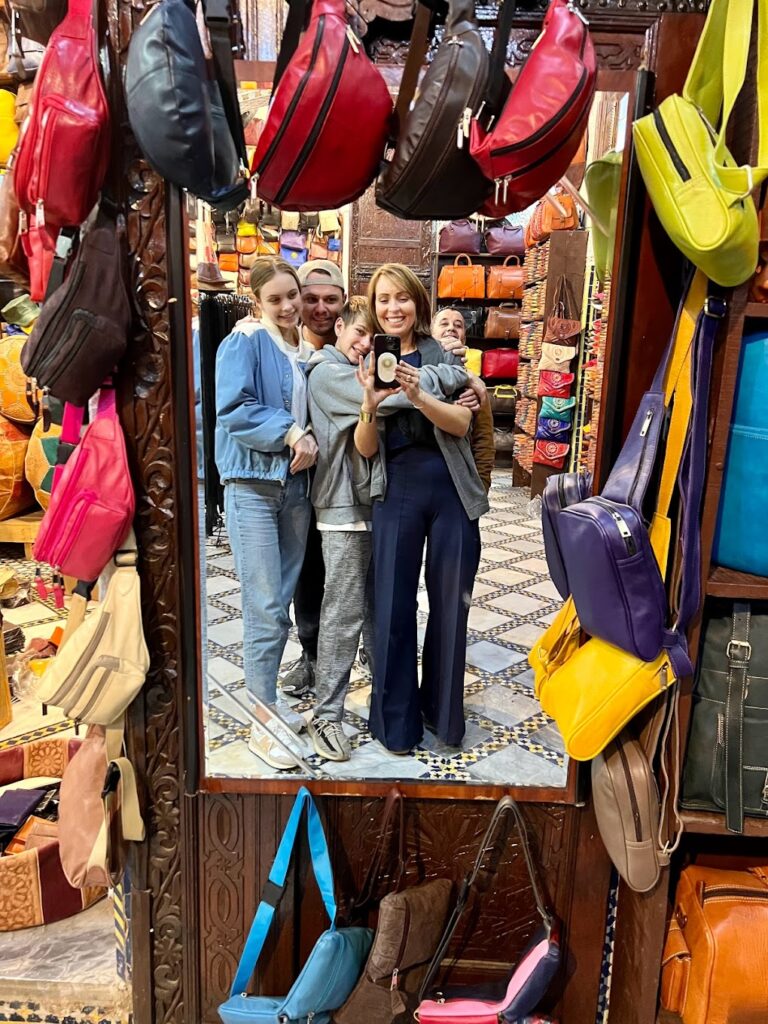
Fez is famed for its tanneries, where leather is still dyed using centuries-old methods. The vibrant mosaic of colors is mesmerizing, though the pungent smell lingers long after you’ve left (fresh mint, handed out by shopkeepers, helps a little!). Ava and Andy both purchased leather jackets and we all left with a pair of Babouche which are soft, flexible, super comfortable leather slippers that can be easily slipped on, usually have a pointed toe, and often have designs painted or engraved on them.
Fez is a city that overwhelms every sense: dazzling, chaotic, beautiful, and a little pungent. Even with only a day here, it left a lasting impression.
We enjoyed our dinner at Dar Romana. Head chef Younes Idrissi’s dishes are made using local produce to reflect the the seasons of the Fes medina. Handled with the finesse of a Parisian bistro, we define it as Franco-Moroccan fusion!
That evening, we checked into the beautiful Hotel Sahrai, a beautiful hotel perched on a hill overlooking the city. From there, we set out for our guided tour of Fez.
Day 2 | Journey to the Sahara – Merzouga Desert Camp
We set out bright and early at 7:00 AM for the long drive to the Sahara Desert—but not before making an emergency stop at a nearby mall. With our luggage still missing, we stocked up on matching track suits. So yes, please excuse the photos from the beginning of this trip—we looked like a traveling sports team!
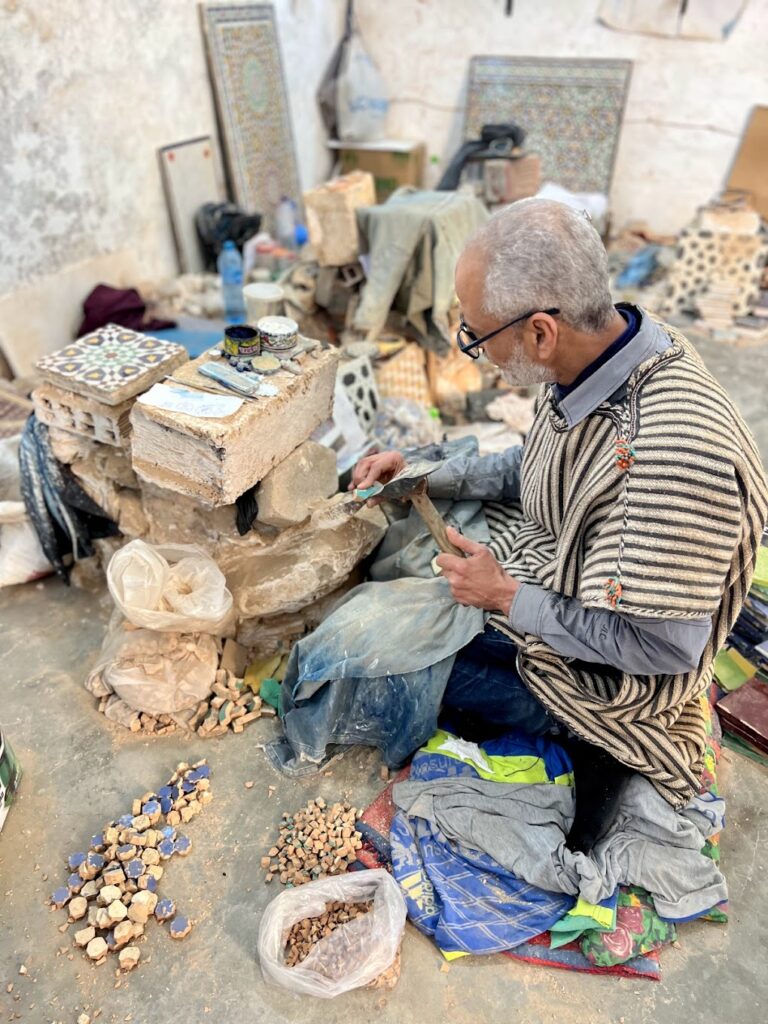
Before leaving Fez, we visited Mosaique Et Poterie De Fes, an artisanal pottery workshop where we watched master craftsmen shape clay, paint intricate mosaics, and fire traditional ceramics. The artistry was incredible, and it offered a beautiful glimpse into Morocco’s deep cultural heritage.
From there, the road wound through an ever-changing landscape—mountain passes, lush valleys, palm groves, Berber villages clinging to rocky slopes, and the crumbling remains of old kasbahs. It was an eclectic mix of scenery, equal parts rugged and enchanting, that carried us further and further from the bustle of the city toward the wide-open calm of the desert.
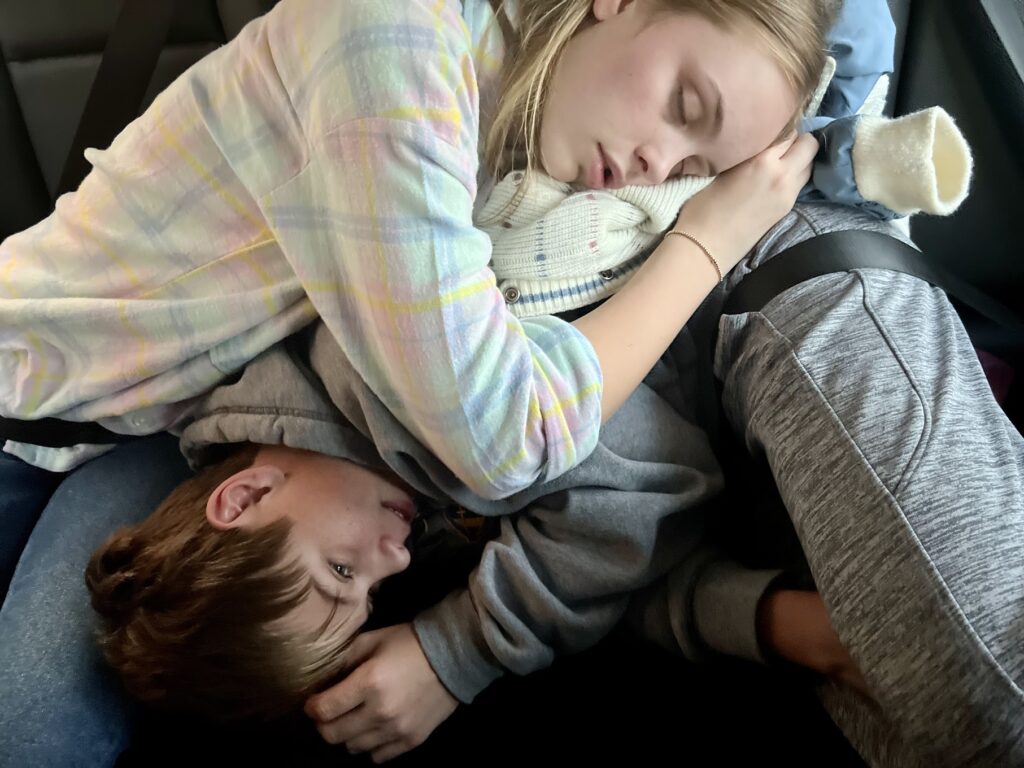
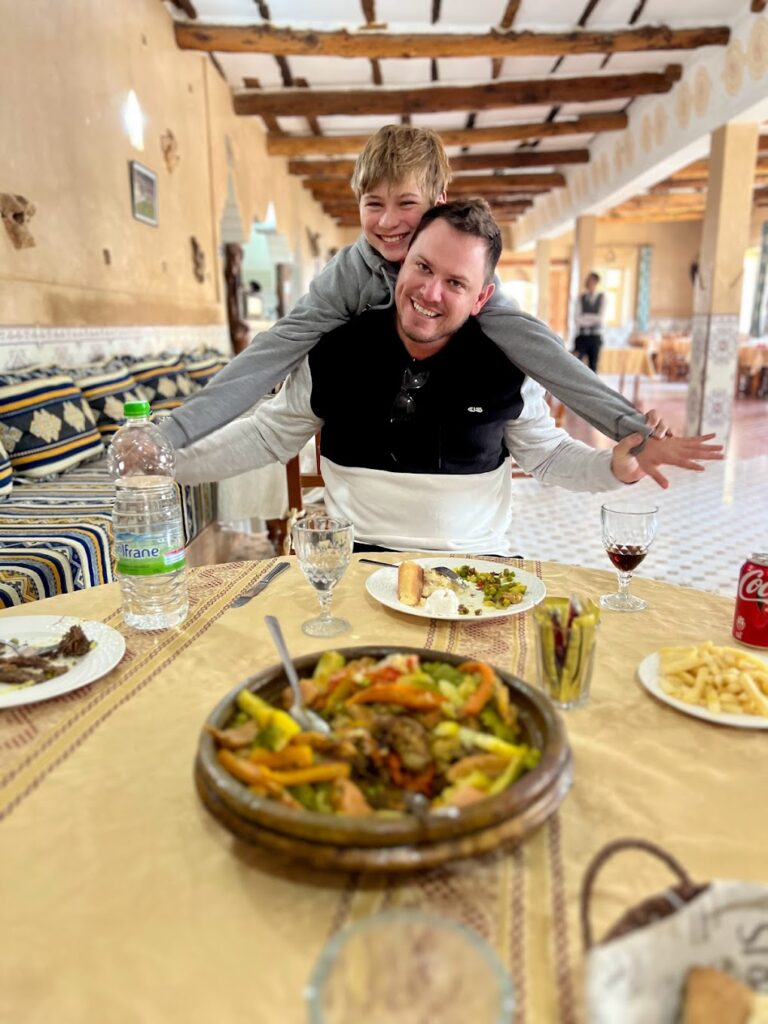
The trip itself was long—about nine hours—and by the time we arrived, carsickness was hitting us hard. Thankfully, a midday lunch stop gave everyone a chance to recover before the final stretch.
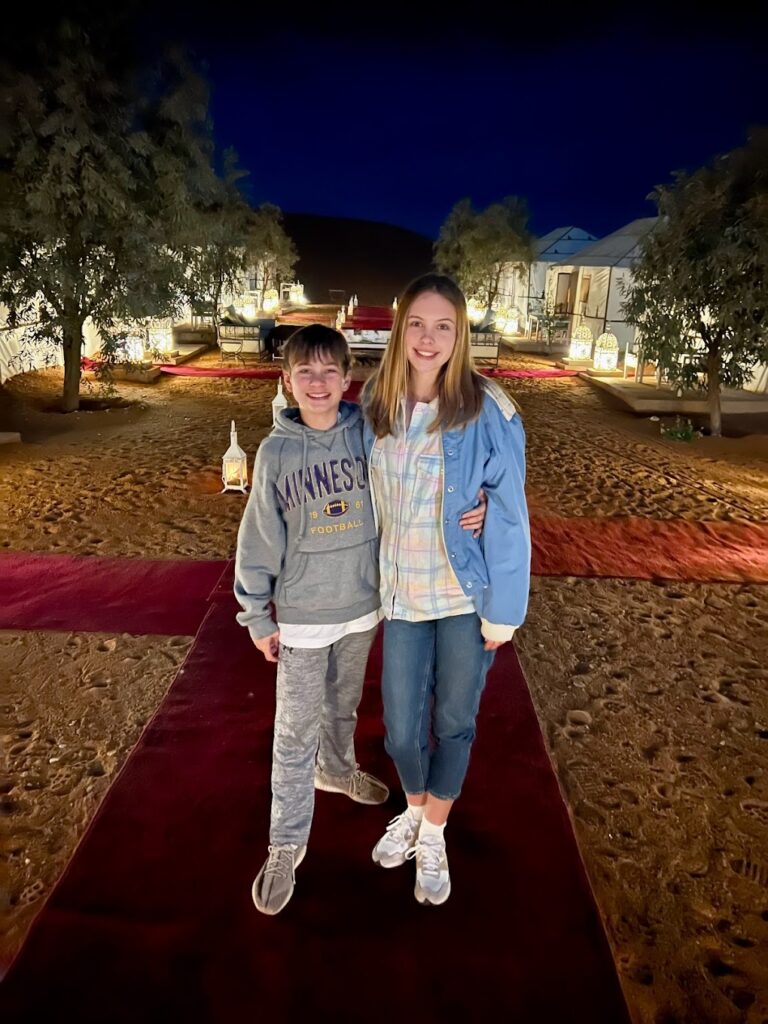
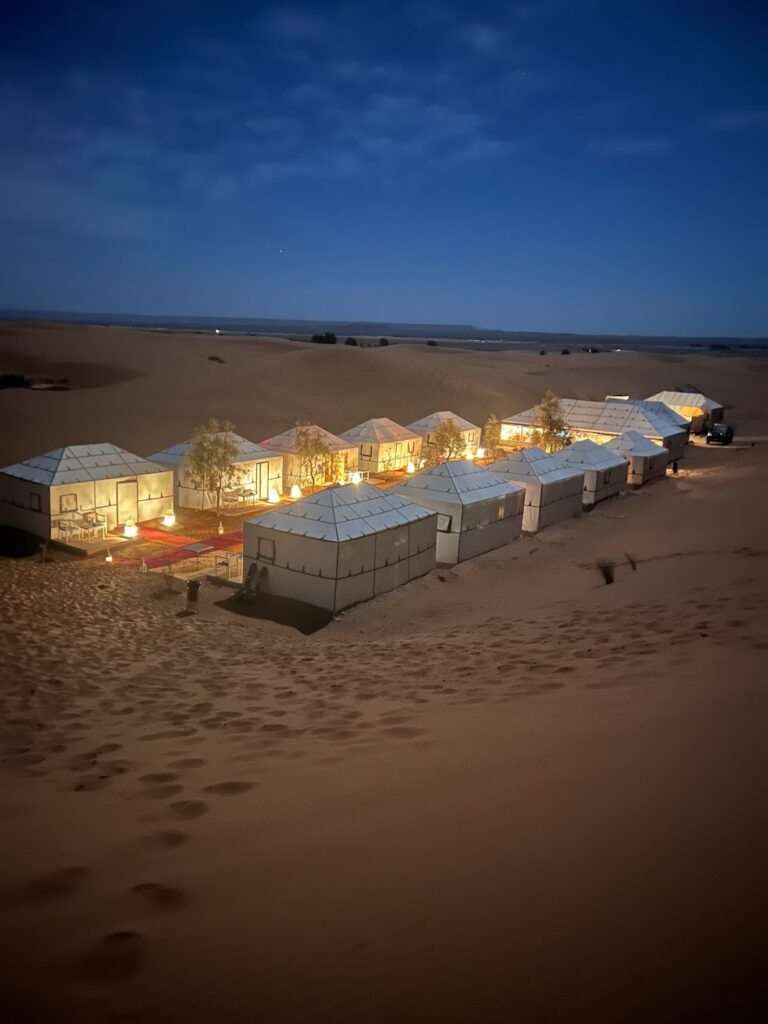
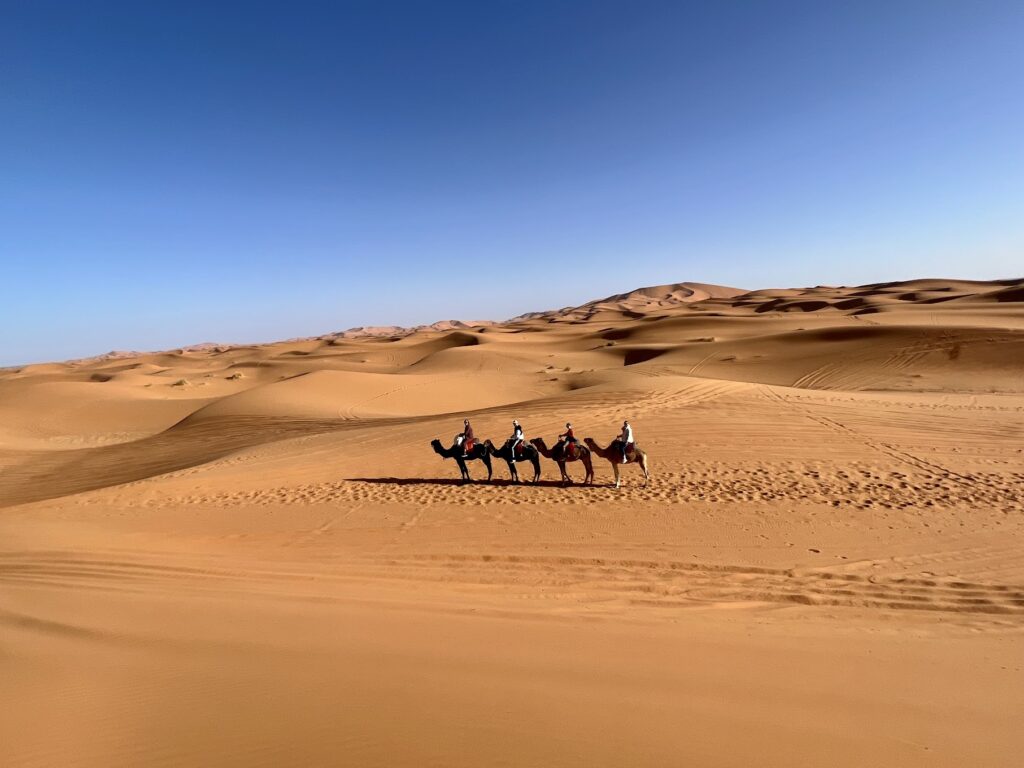
Finally, the dunes of Erg Chebbi appeared on the horizon, their golden curves glowing in the late afternoon light. We checked into Merzouga Luxury Desert Camp, a cluster of just ten spacious tents designed in the style of traditional khaymas once used by nomadic people. Remote, serene, and utterly beautiful, the camp felt like a place where even silence had its own magic.
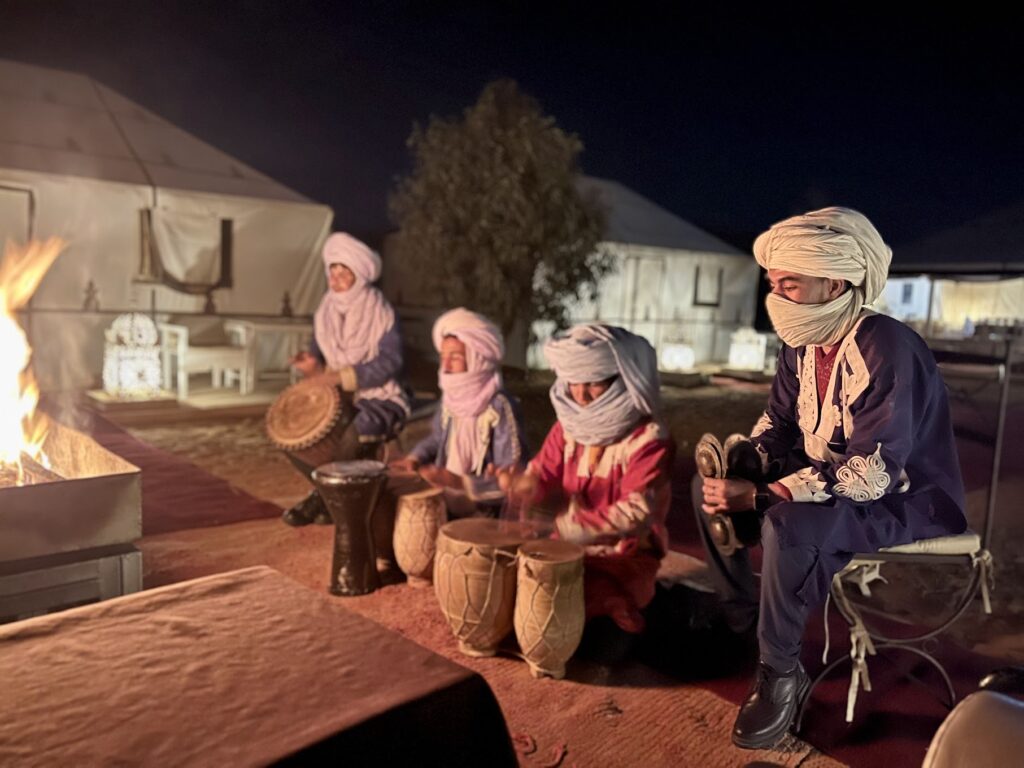
As night fell, we gathered around a fire beneath the stars. Dinner was served under the open sky, followed by drumming and traditional music that echoed through the dunes. With the flames flickering, the beat of the drums, and the vast night sky stretched above us, it felt like a scene pulled straight from a dream.
We ended the night tucked into our private tent, still buzzing with wonder, grateful for the stillness of the desert and the magic of this unforgettable escape.
Day 3 | Leaving the Sahara – Toward the Atlas Mountains Day
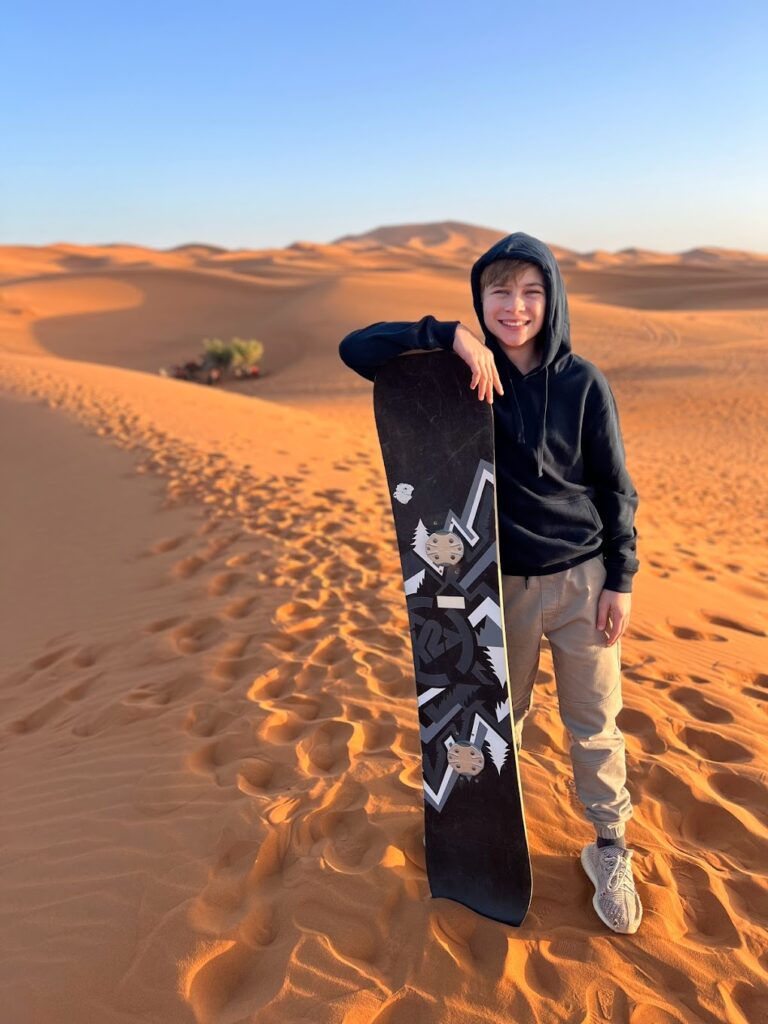
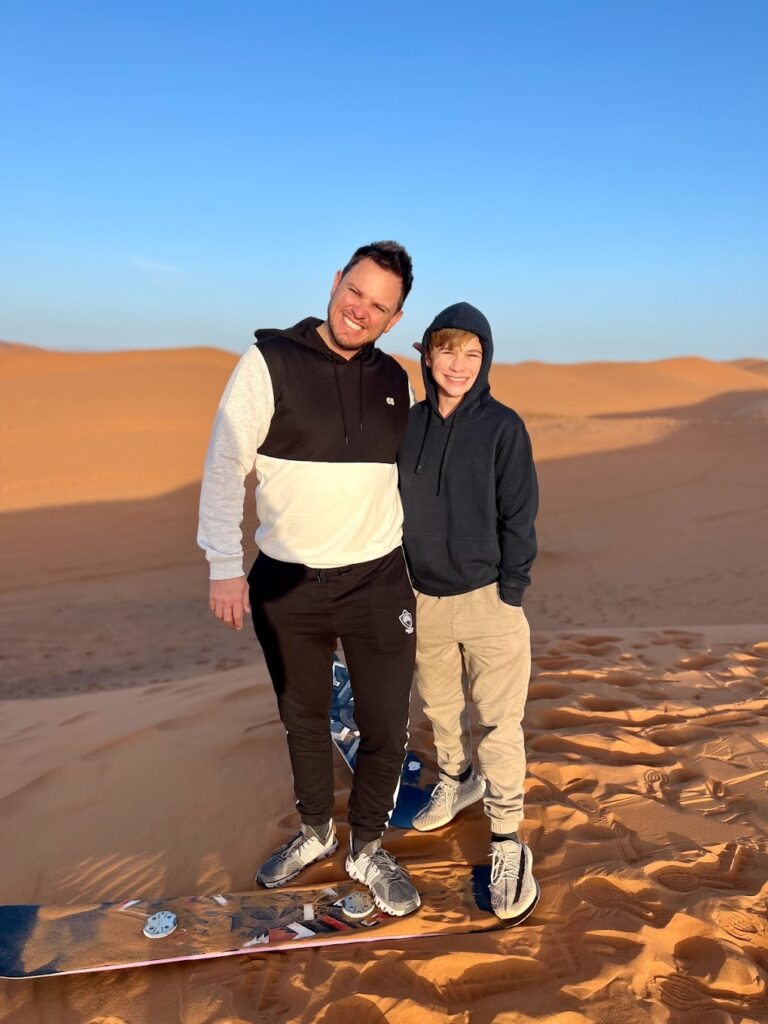
It was hard to say goodbye to the desert, but we made the most of our final morning. After a sunrise breakfast, we couldn’t resist climbing the dunes once more for a last round of sandboarding. Falling into soft sand is forgiving, and we laughed our way through wipeouts and sliding victories alike.
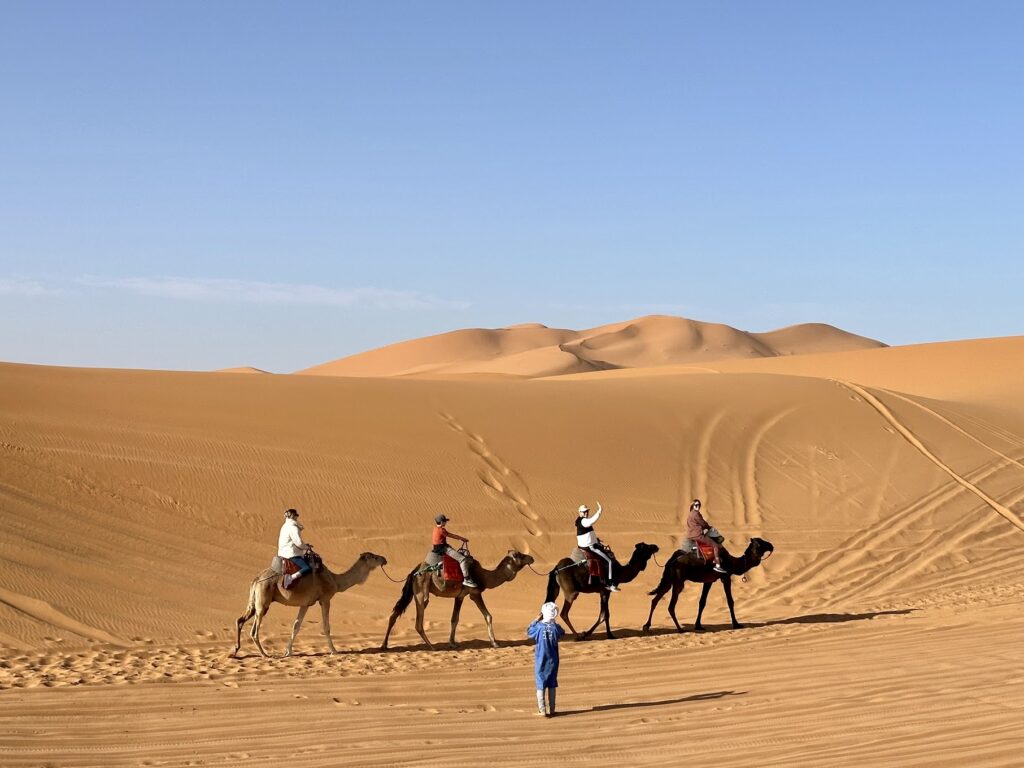
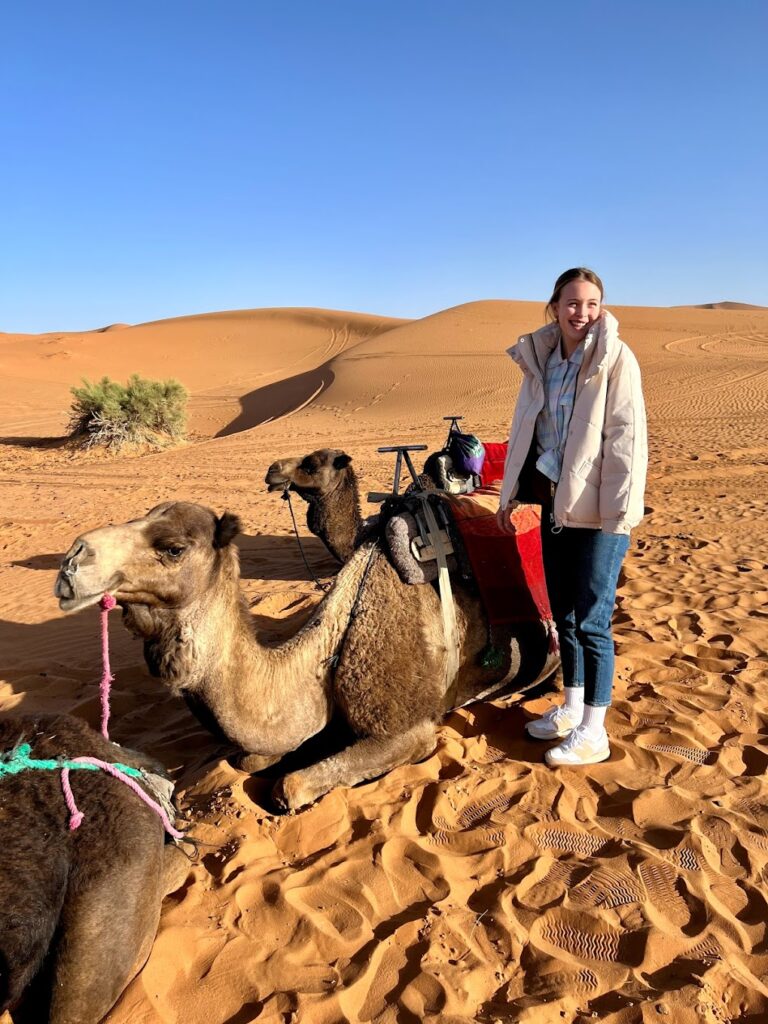
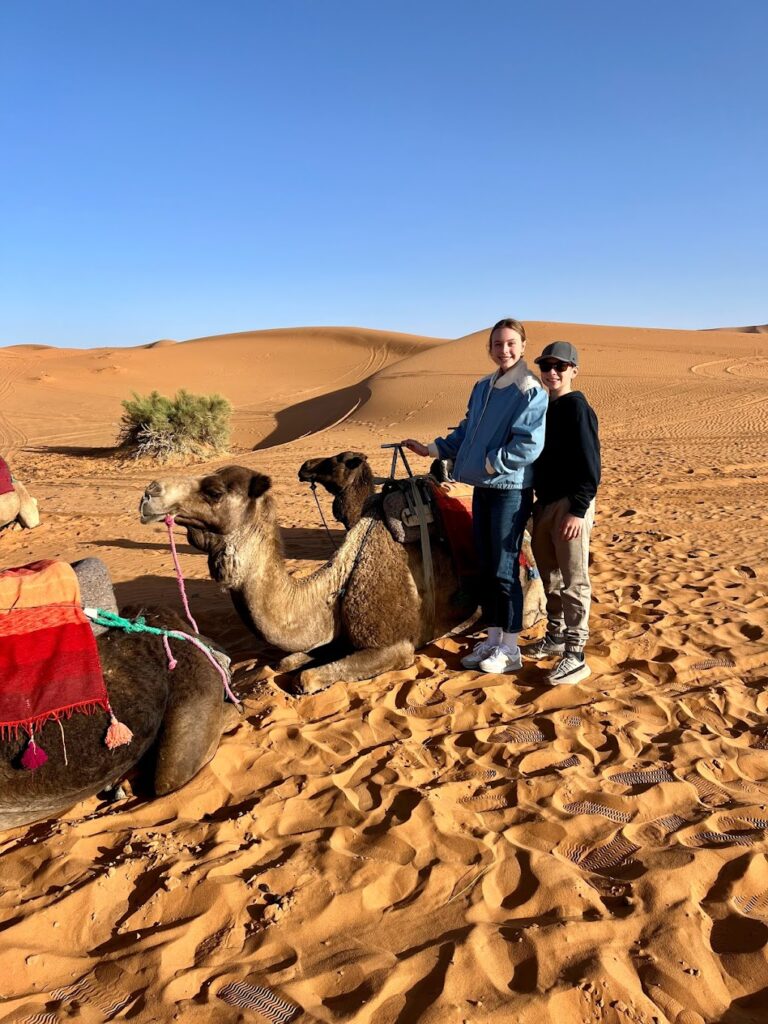
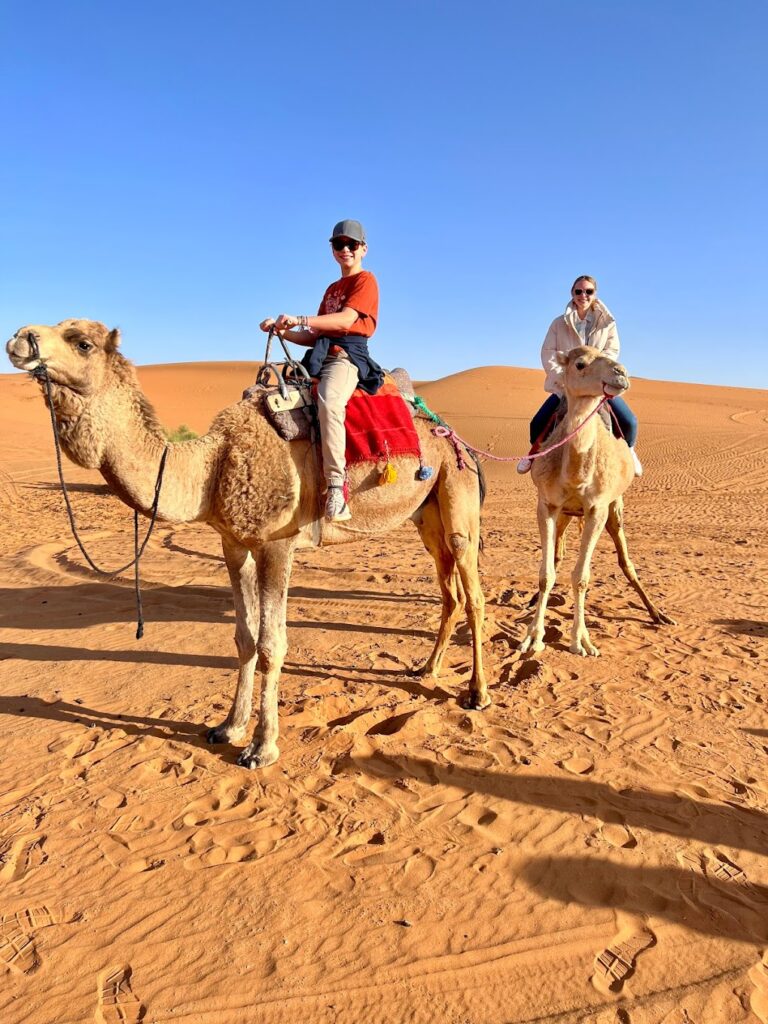
To exit the desert, we swapped wheels for humps—riding camels out of camp. None of us will ever forget it! The camels were enormous, and when they stood up, the sudden forward-and-back lurch was both thrilling and a little terrifying. It was the scariest part of the ride but also the most unforgettable.
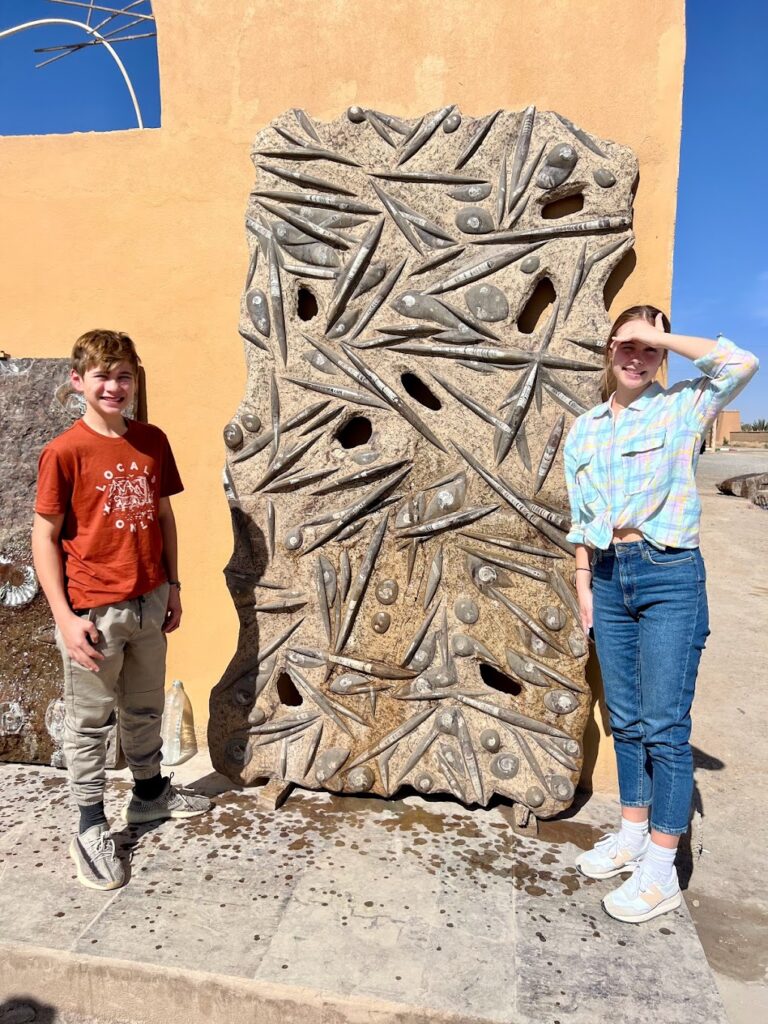
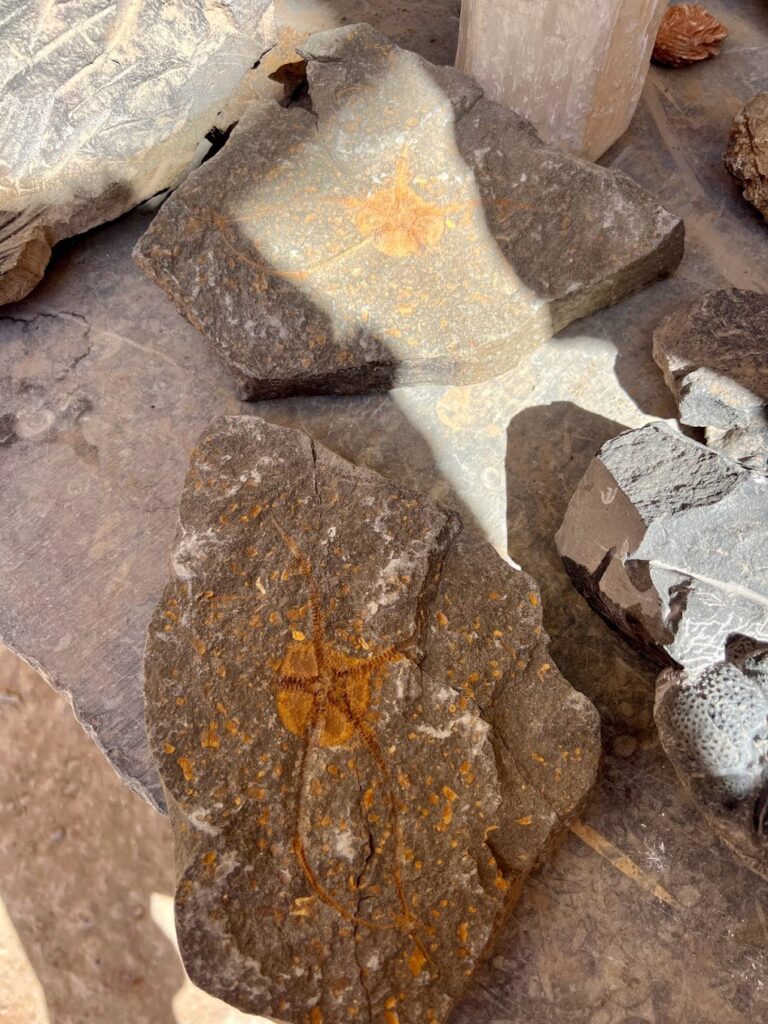
Back on the road, our first stop was Erfoud, known as the “Gate of the Sahara.” We visited Achour Fossils Erfoud, a fascinating workshop and showroom filled with ancient marine fossils. We ended up purchasing a stunning piece featuring trilobites and sea stars—creatures that roamed the oceans over 300 million years ago. Payne took charge of the bargaining and came away with quite the deal!
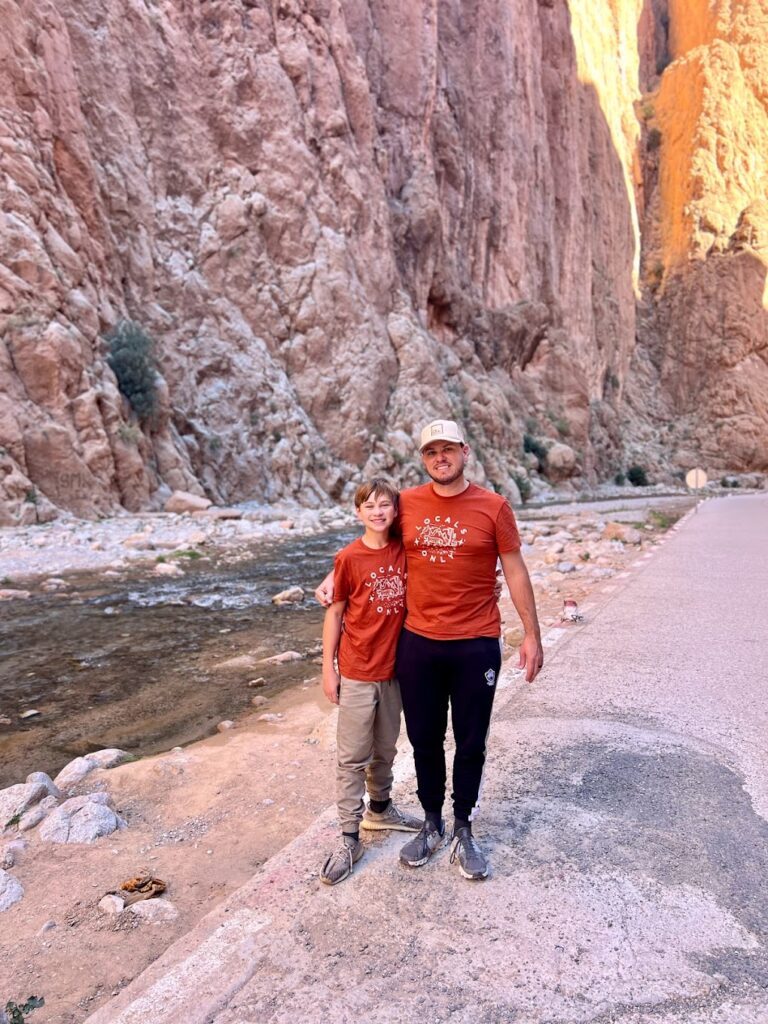
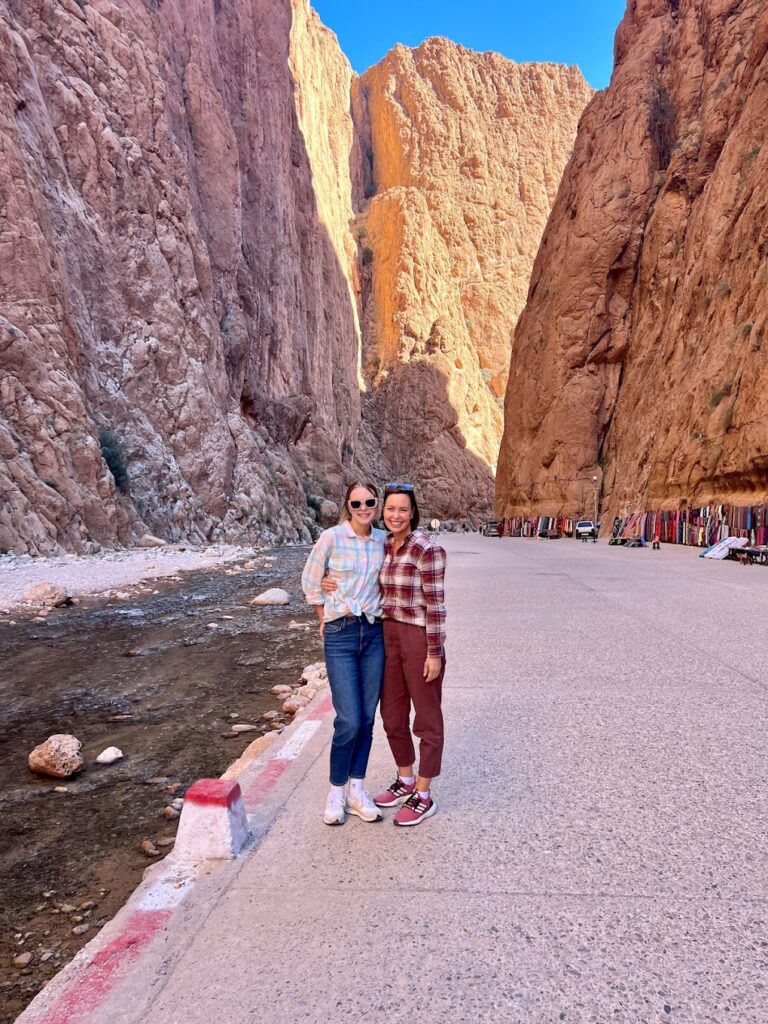
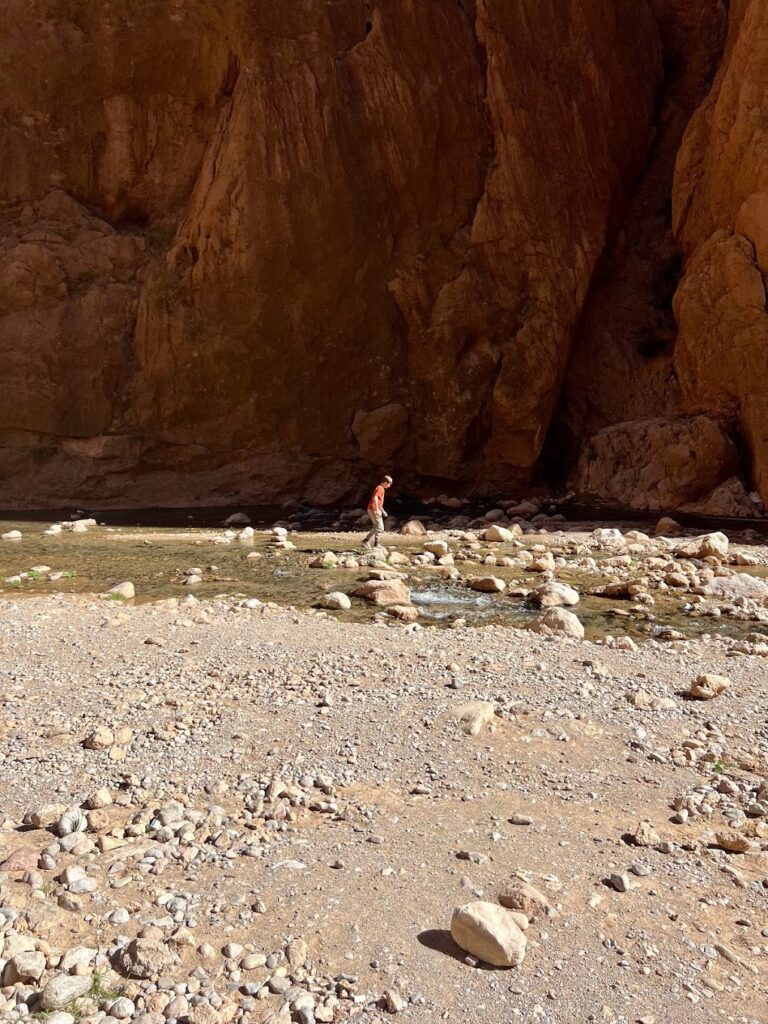
Our drive continued into the Atlas Mountains, winding past groves of date palms (palmeraies) and the dramatic Todra Gorge, where canyon walls rise more than 400 meters high—taller than the Empire State Building. The landscape felt raw and prehistoric, carved by the River Todra over centuries.
That evening, we arrived at Auberge Chez Pierre, a tranquil inn tucked beneath the Dades Gorge. Its setting was serene, surrounded by rugged mountains and valleys. Dinner at the hotel was a highlight—a fusion of Moroccan and European flavors that left us lingering at the table long after the plates were cleared.
It was a long day of travel, but also one of discovery—fossils from the ancient seas, towering canyons, and the quiet beauty of the Atlas Mountains guiding us closer to Marrakech.
Day 4 | From the Atlas to Marrakech – Kasbah Aït Ben Haddou
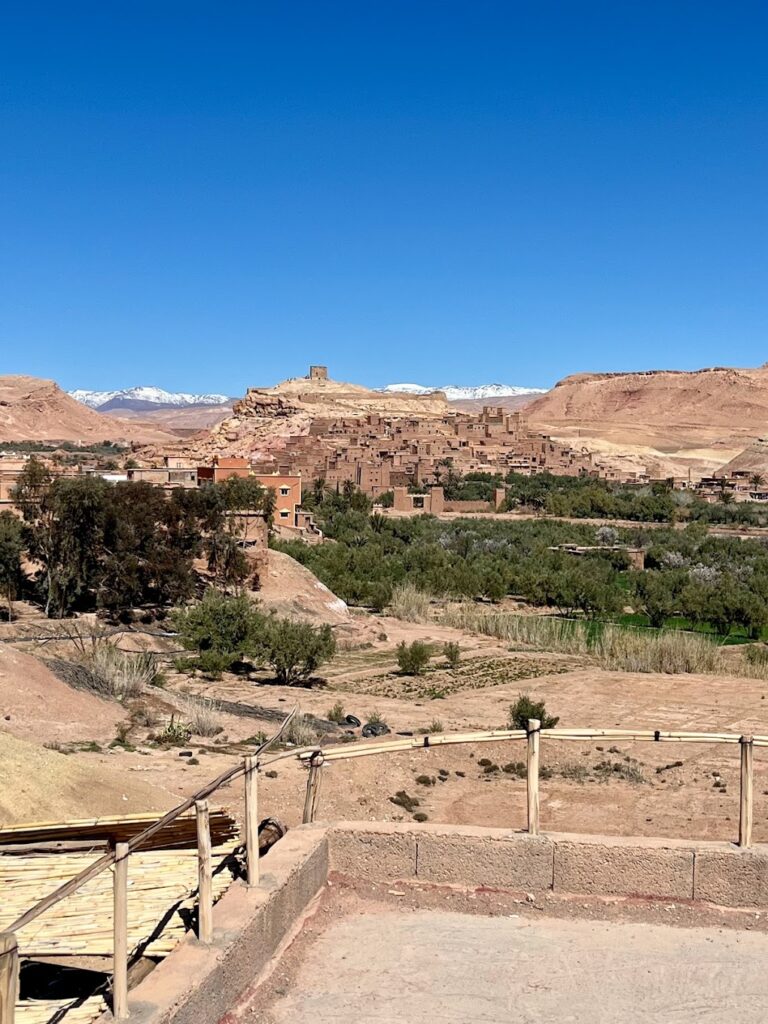
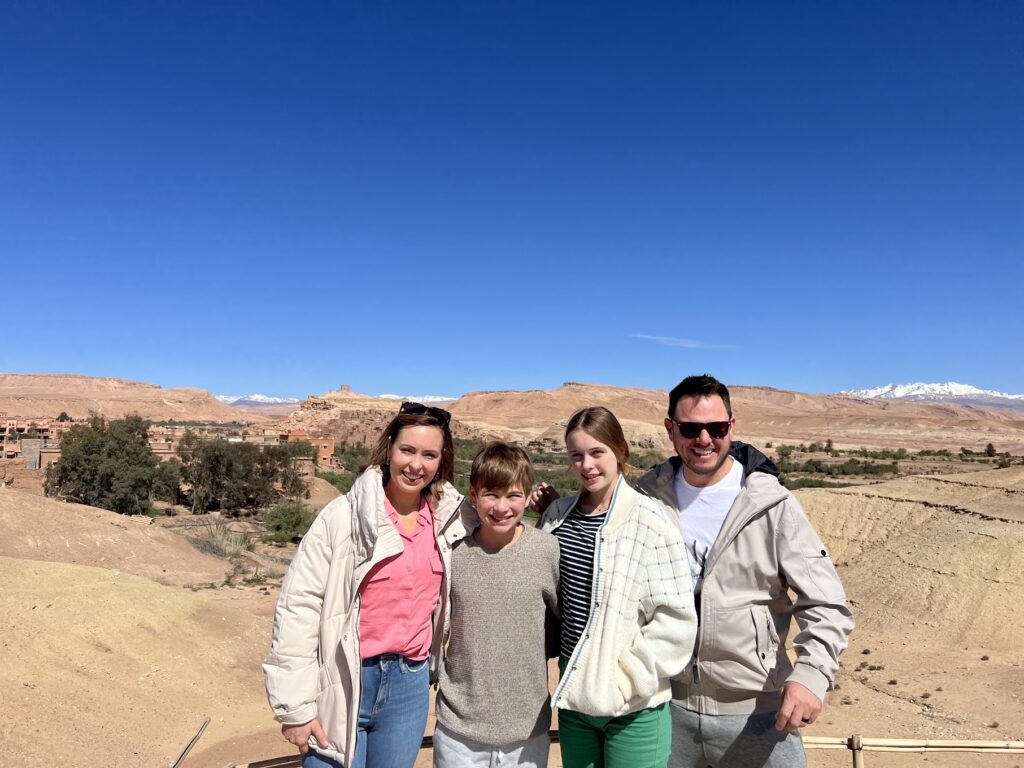
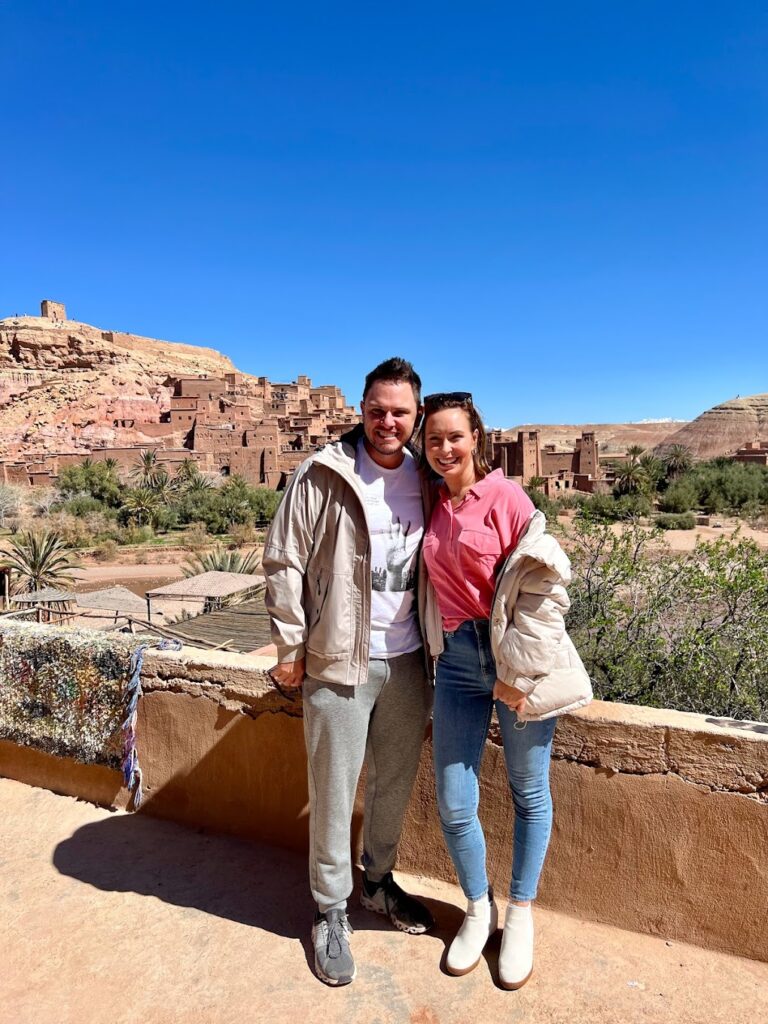
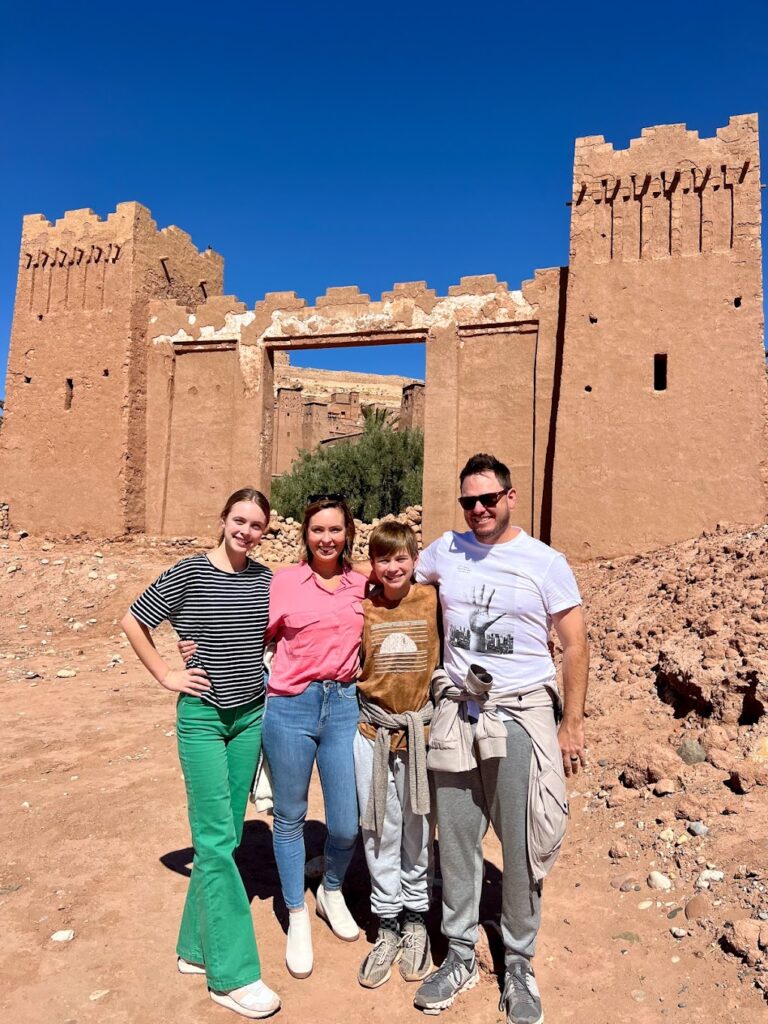
The road toward Marrakech took us through landscapes that seemed to shift with every turn—rocky valleys, winding passes, and small Berber villages clinging to the mountainsides. Along the way, we stopped at one of Morocco’s most iconic sites: Kasbah Aït Ben Haddou, a UNESCO World Heritage Site and one of the best-preserved examples of traditional Moroccan earthen clay architecture.
Once a fortified village along the trans-Saharan trade route, Aït Ben Haddou has stood for centuries as a crossroads of culture and commerce. Its towering mud-brick walls and maze of alleys have been used as the backdrop for countless films, yet standing inside its gates, it felt more timeless than cinematic. While only a few families still live there today, the ksar remains a stunning testament to Morocco’s history and craftsmanship.
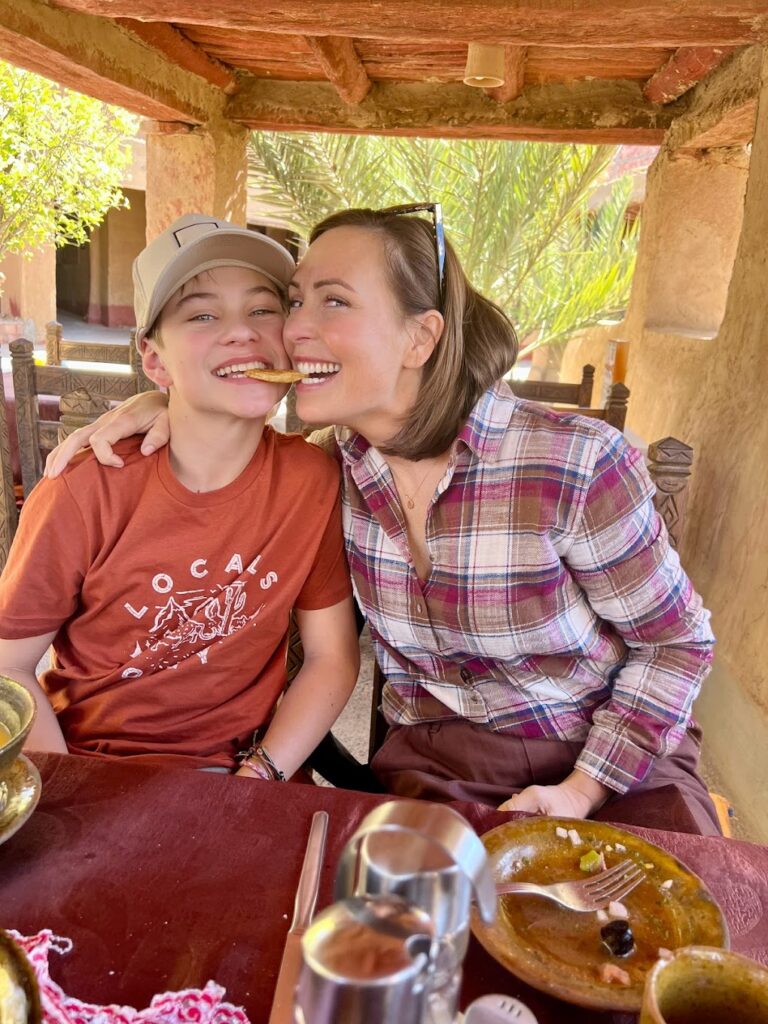
We paused for lunch in a Berber village restaurant, where warm hospitality and hearty dishes made for the perfect break before the final stretch of the drive.
By evening, we arrived in Marrakech and checked into Almaha Marrakech, a boutique hotel tucked into the historic Kasbah district. Designed by architect Charles Kaisin, the hotel blends traditional Moroccan artistry with contemporary elegance. That night, we enjoyed dinner and drinks at the hotel’s rooftop bar, Bidaya, watching the sun sink over the city and the rooftops glow in shades of rose and gold.
It was the perfect welcome to Marrakech—where history, artistry, and modern life meet under the same desert sky.
Day 5 | Marrakech – Palaces, Medersas & Souks
Day 5 | Marrakech – Palaces, Medersas & Souks
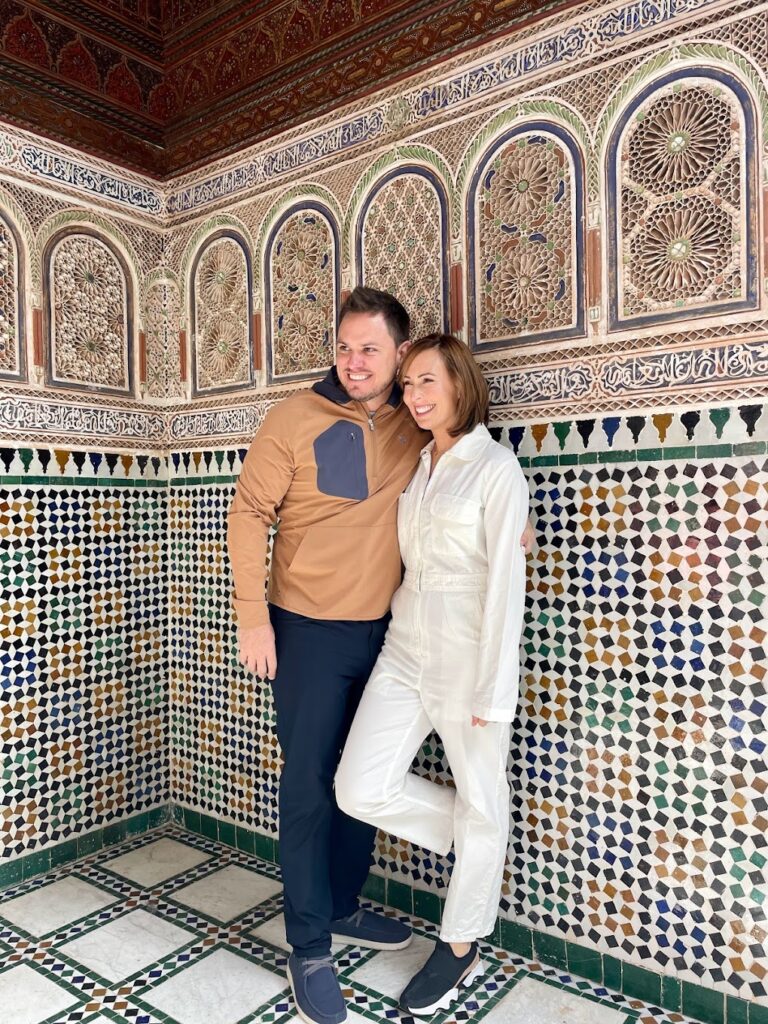
After a leisurely breakfast at the hotel, we set out for a guided tour of Marrakech’s most celebrated monuments, beginning with the Bahia Palace. Built in the late 19th century by Si Moussa, the grand vizier of the sultan, this palace was intended to be the most magnificent of its time—and its name, Bahia, meaning “brilliance,” certainly fits. The sprawling complex, with its mosaic-tiled courtyards, carved cedar ceilings, and tranquil gardens, offered us a glimpse into the opulence of Morocco’s past. From the quarters of wives and concubines to the intricate salons and airy courtyards, every space told a story of ambition, artistry, and power.
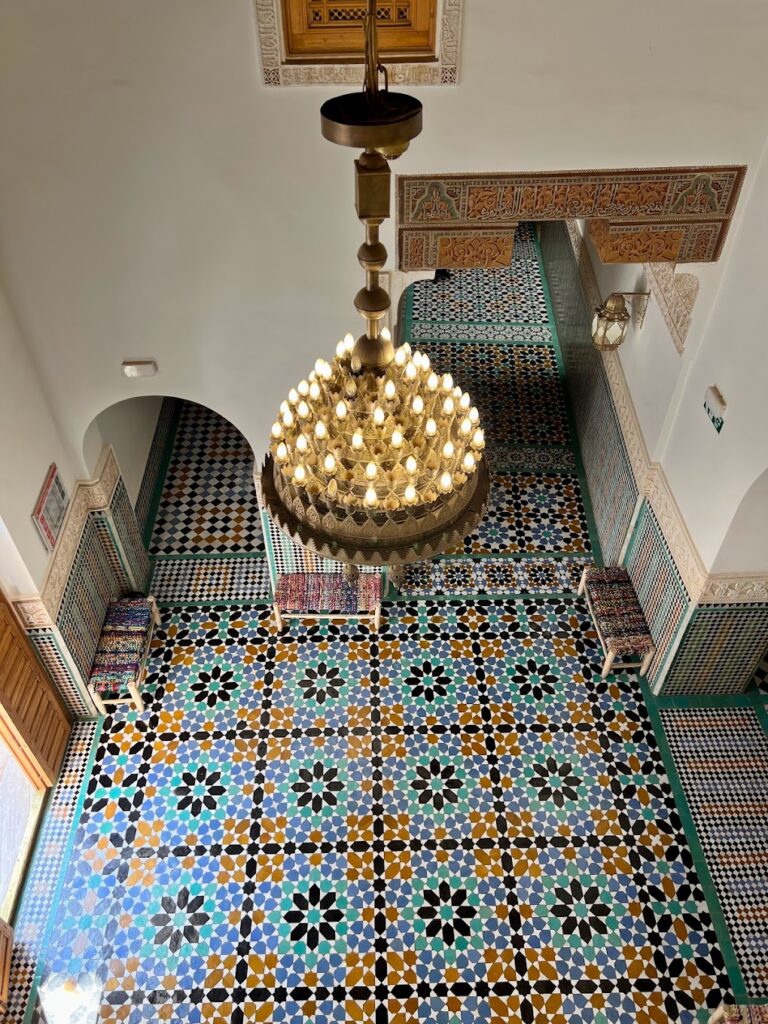
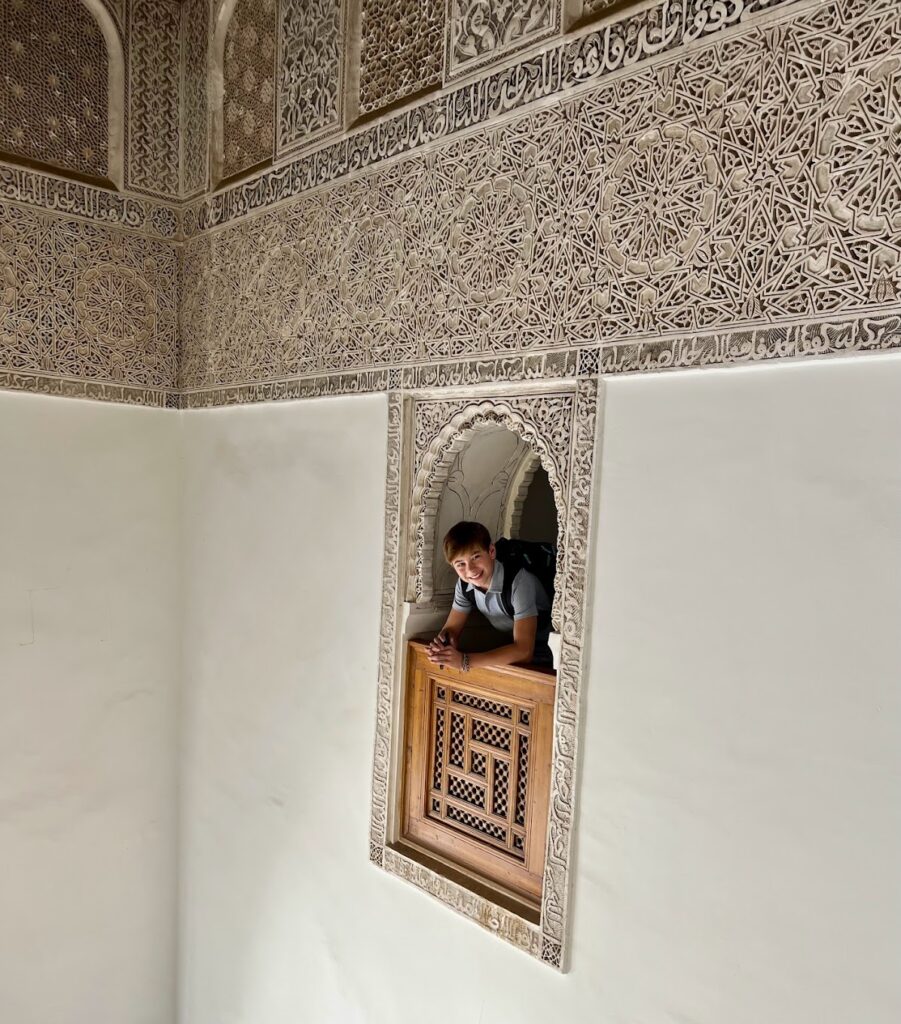
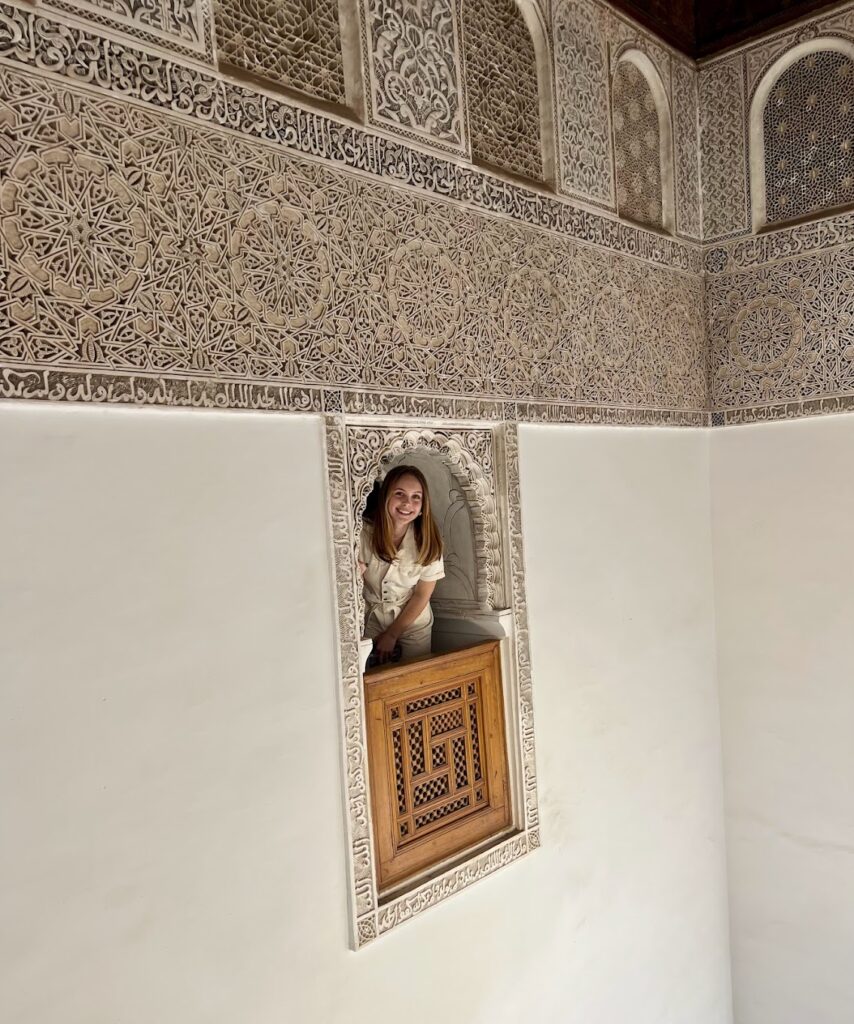
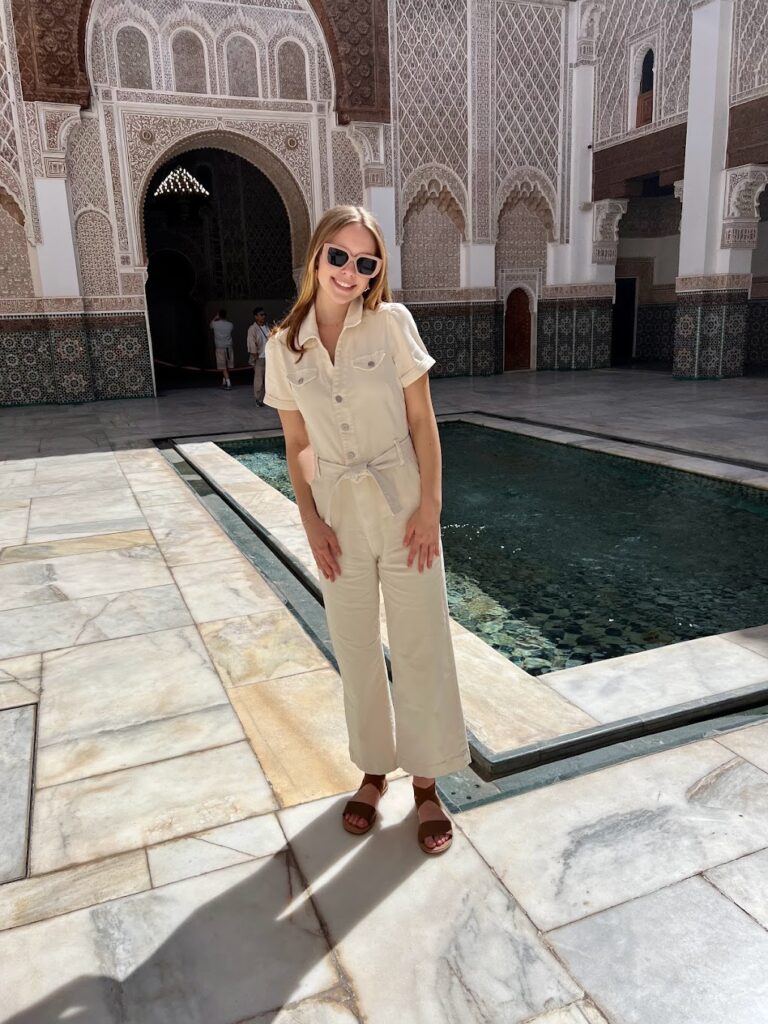
From there, we continued to the Ben Youssef Madrasa, once the largest Islamic college in North Africa. Commissioned in the 16th century by the Saadian Sultan Abdallah al-Ghalib, the madrasa was a masterpiece of Moroccan craftsmanship. Standing in its vast central courtyard, surrounded by ornate stucco, carved wood, and colorful zellige tilework, it was easy to imagine the thousands of students who once studied here.
By midday, we were ready for a break from the city’s bustle. We slipped into a hidden gem in the medina—Le Jardin, a tranquil courtyard café set in a restored riad. Shaded by banana trees and painted in serene shades of green, it felt like a secret garden tucked away from the busy streets outside. The quiet meal was a refreshing pause before the next adventure.
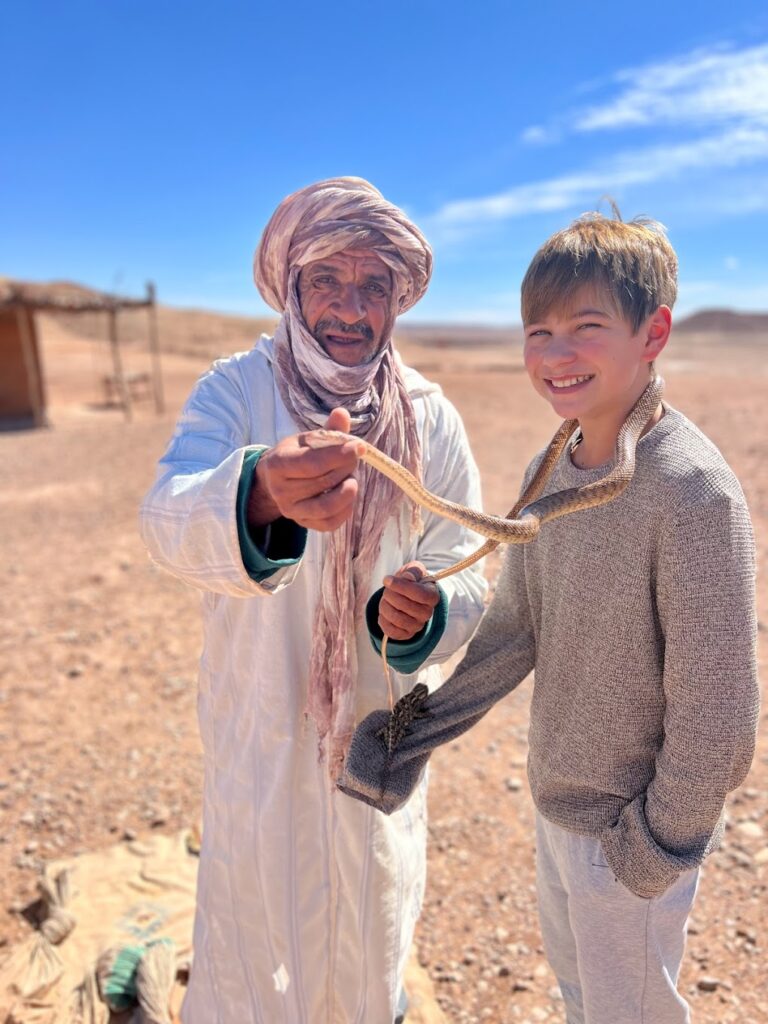
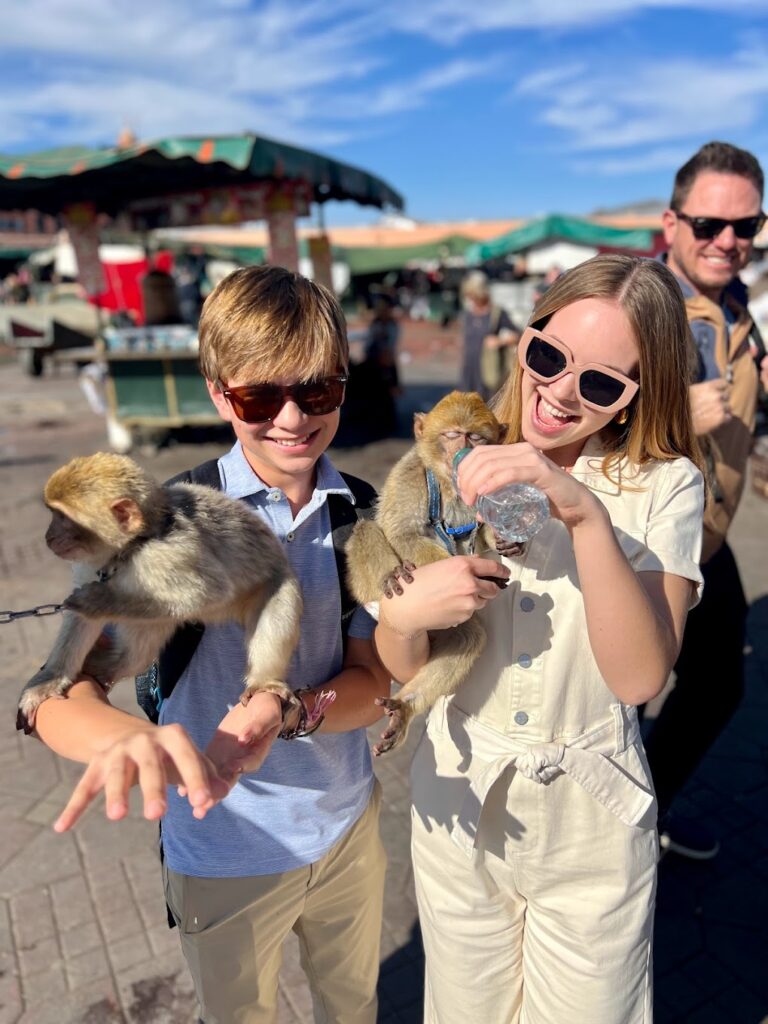
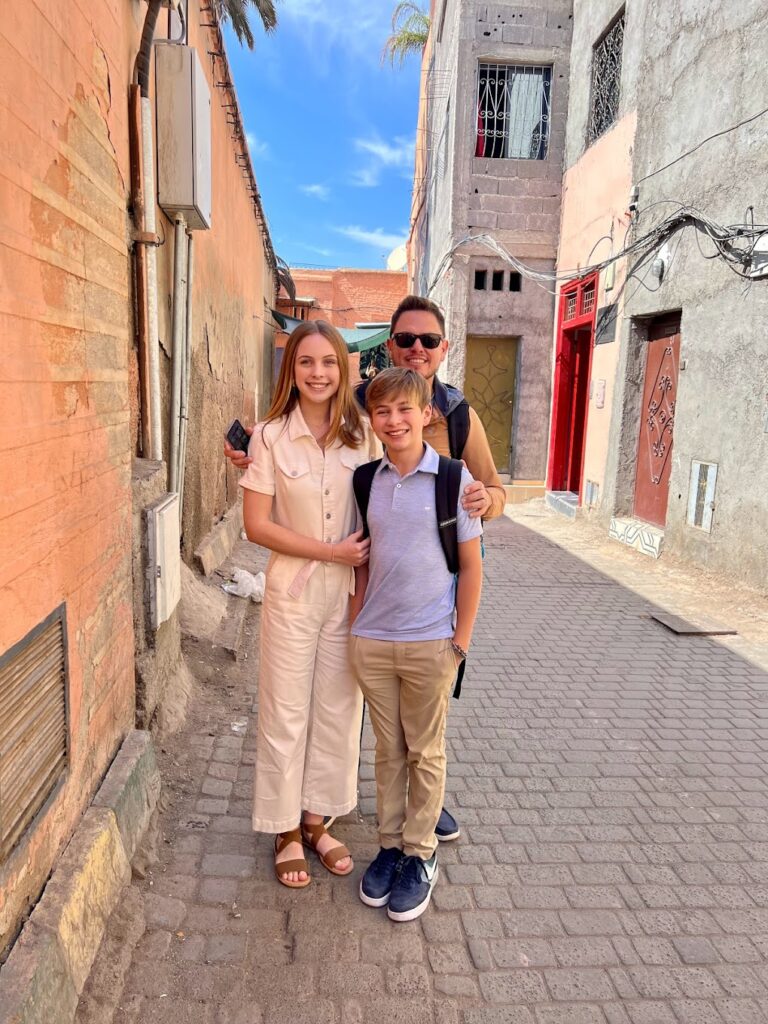
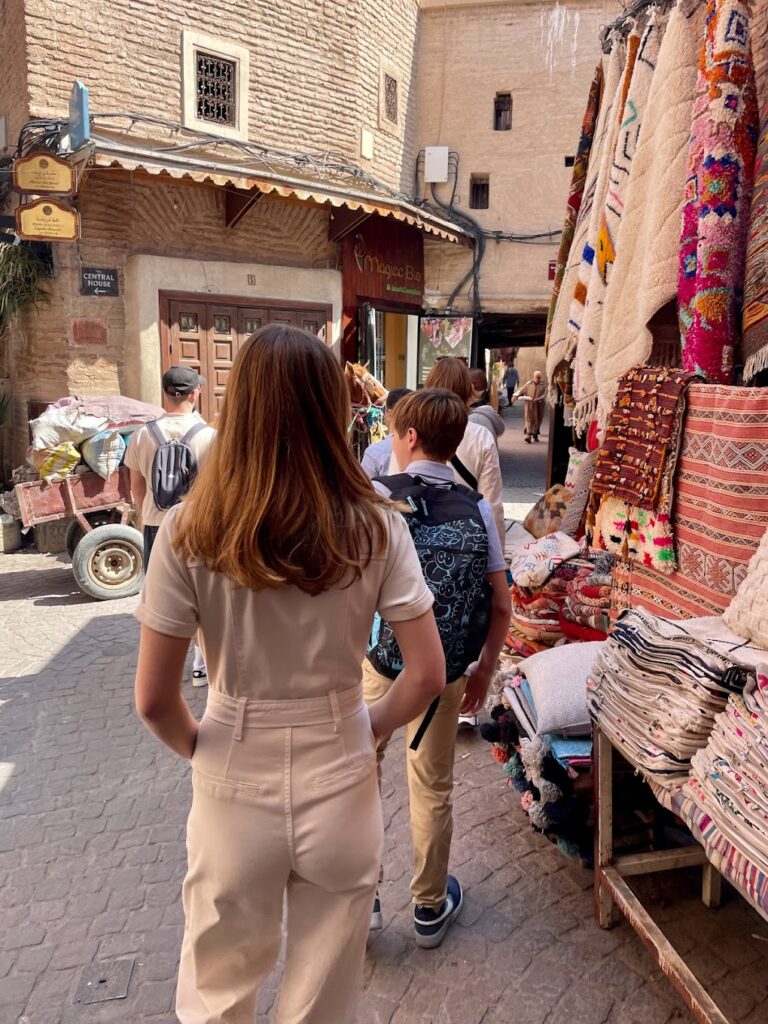
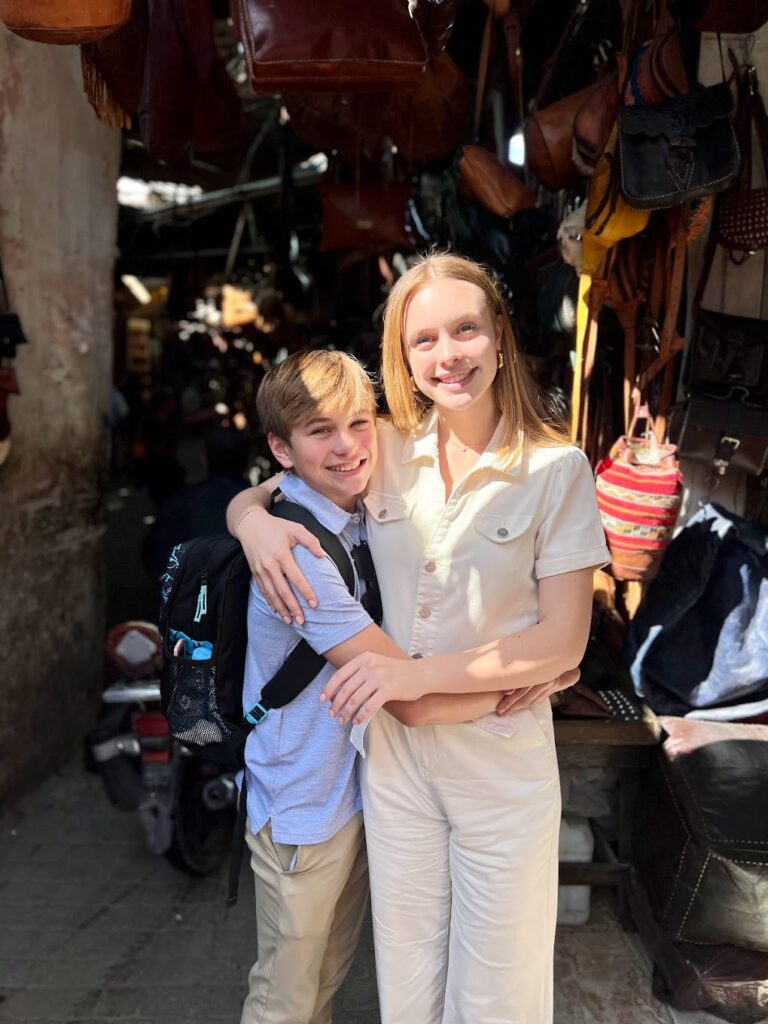
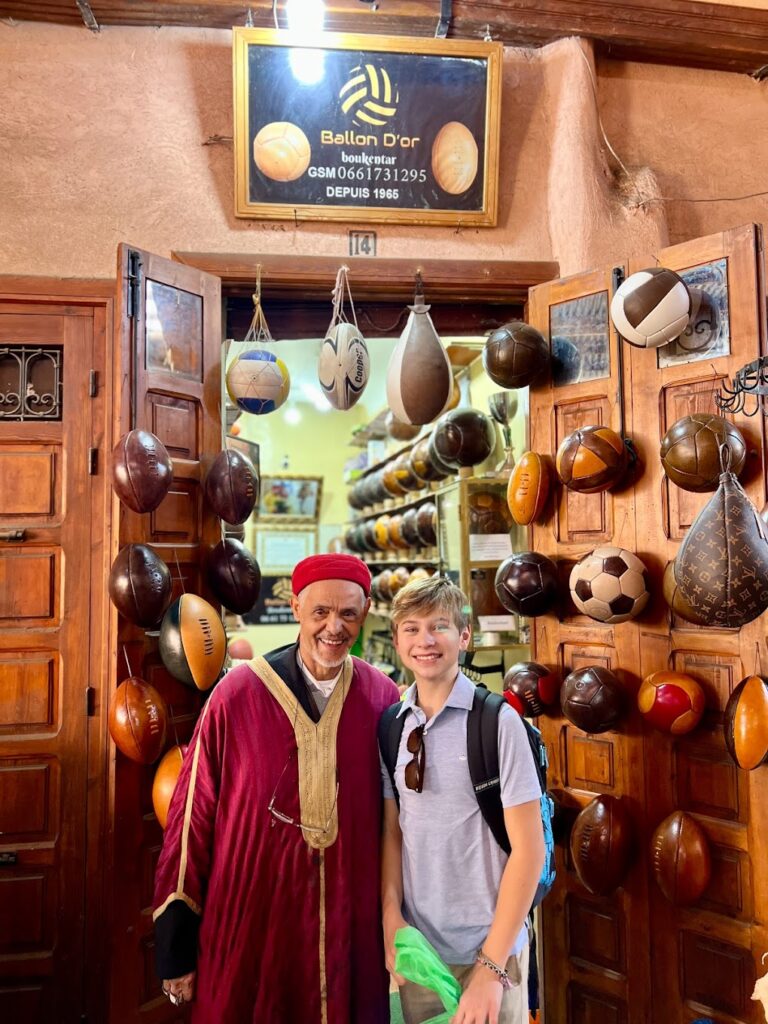
The afternoon was reserved for exploring the souks of Marrakech—a sensory explosion of color, sound, and scent. Wandering through the maze of narrow lanes, we browsed stalls overflowing with spices, textiles, pottery, jewelry, and leather goods. Each turn revealed something new: a burst of saffron, the gleam of hammered brass, or the bright pattern of handwoven carpets. Payne proudly negotiated for a leather punching bag at Ballon d’Or, while I chose a handmade rug and a Moroccan pendant to bring home. The kids were delighted outside the market when they got to hold monkeys—an unexpected highlight of the day.
The souks, part of Marrakech’s UNESCO-listed medina, have been a hub of trade for centuries, and even today they pulse with the same energy of tradition and commerce. Immersed in their vibrant chaos, we felt connected to the beating heart of the city, where history and modern life meet in a swirl of movement and color.
Day 6 | Marrakech – Fashion, Faith & Flavors
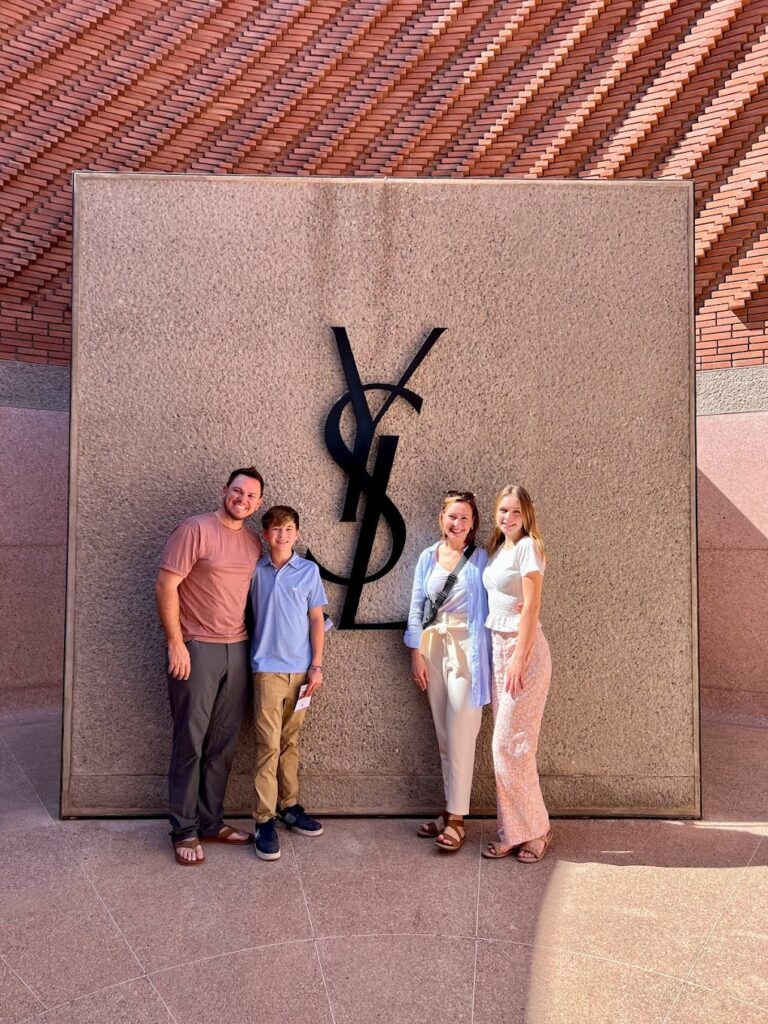
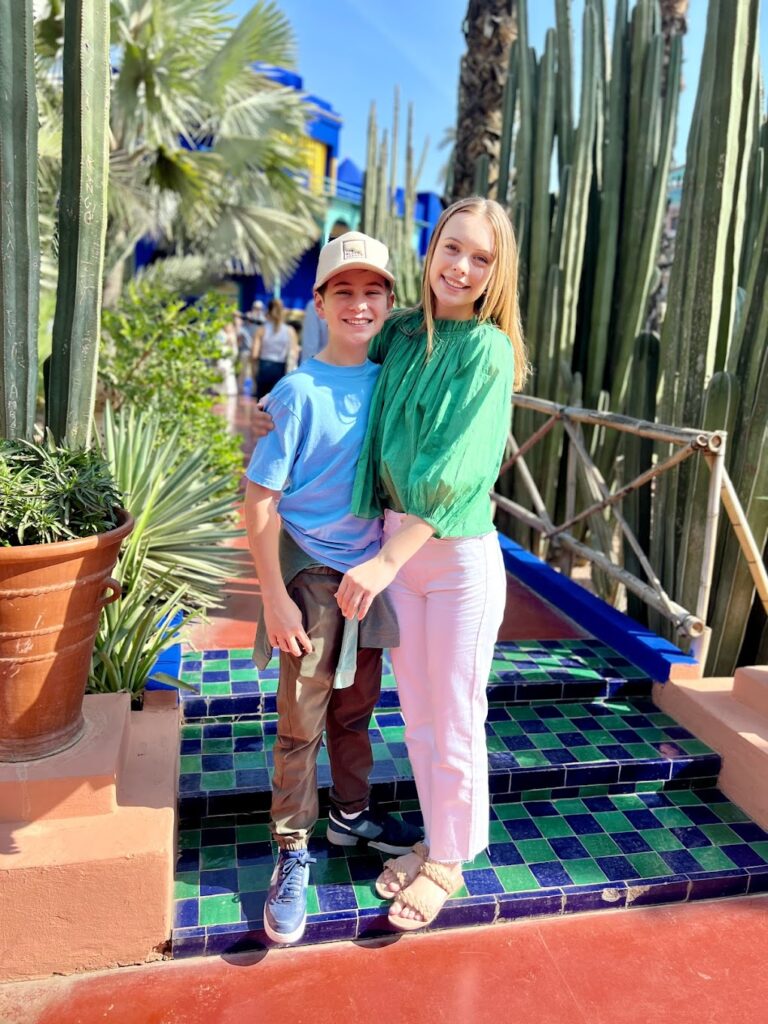
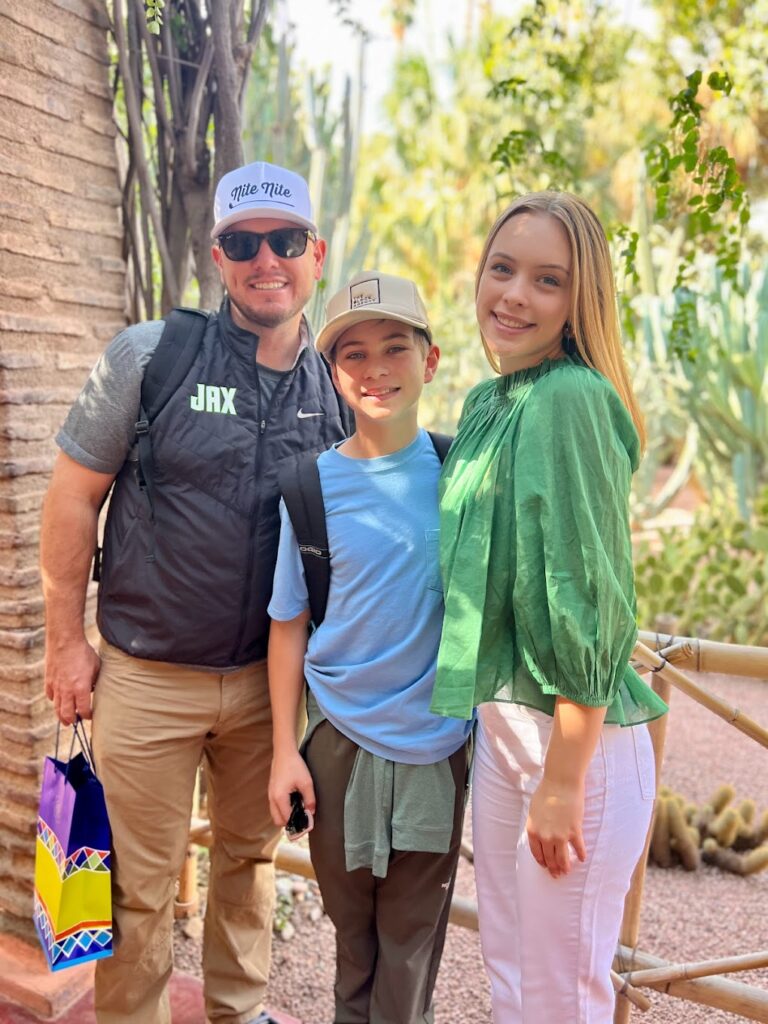
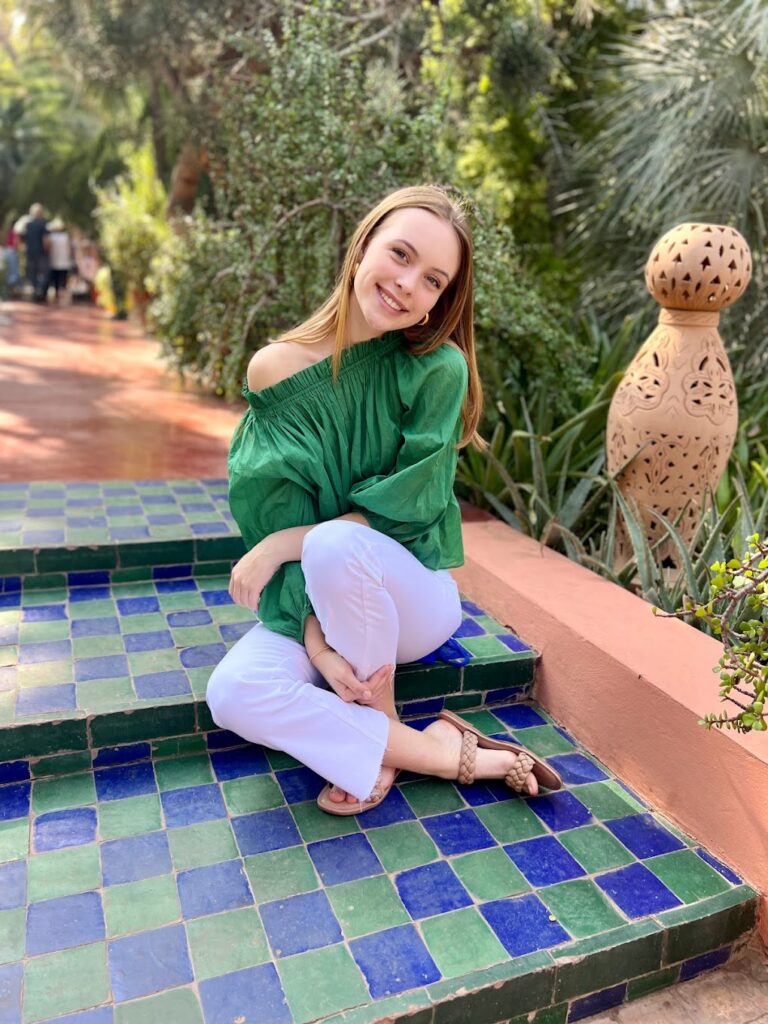
We started the morning at the Majorelle Gardens and Yves Saint Laurent Museum. Originally created by Jacques Majorelle in the 1920s and later restored by Yves Saint Laurent and Pierre Bergé, the gardens are bursting with vibrant colors and exotic plants. The bold blues and lush greens created such a striking backdrop—it was the perfect place to snap some photos of the kids. Of course, it was also full of tourists, so instead of a quiet stroll, we found ourselves laughing as we tried to carve out little pockets of calm amid the crowds.
Next, we stepped into the YSL Museum, which beautifully highlighted the designer’s deep love for Morocco and how much the country shaped his work. Seeing his clothing collections up close, and watching the evolution of his style over the years, was both fun and inspiring.
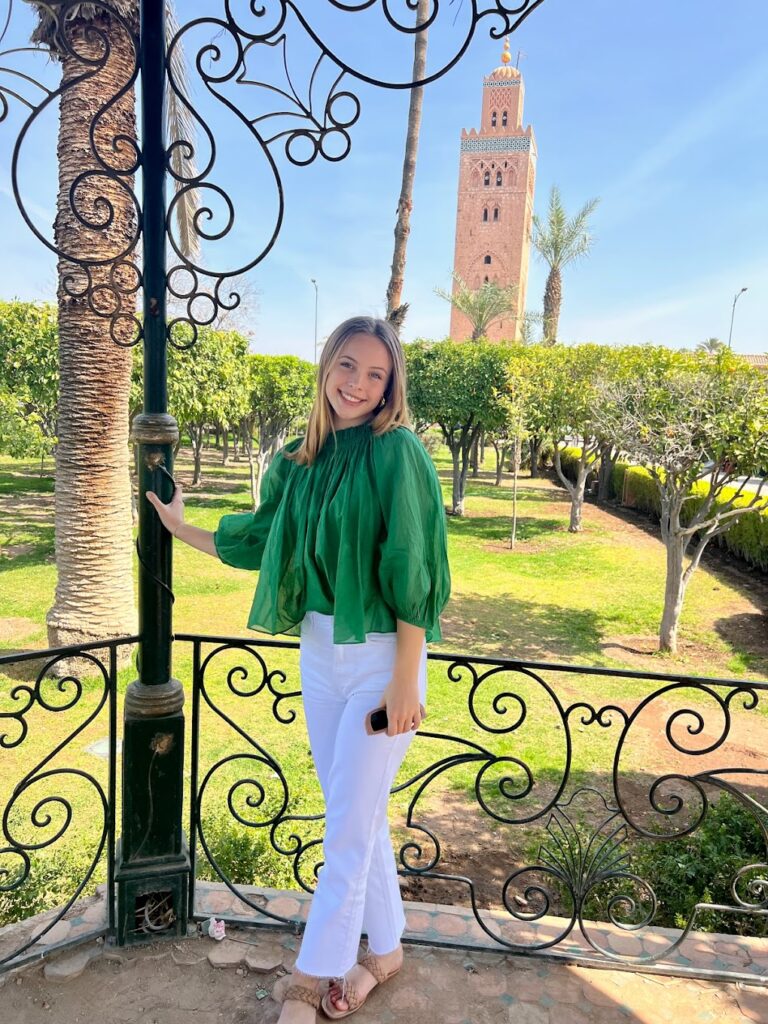
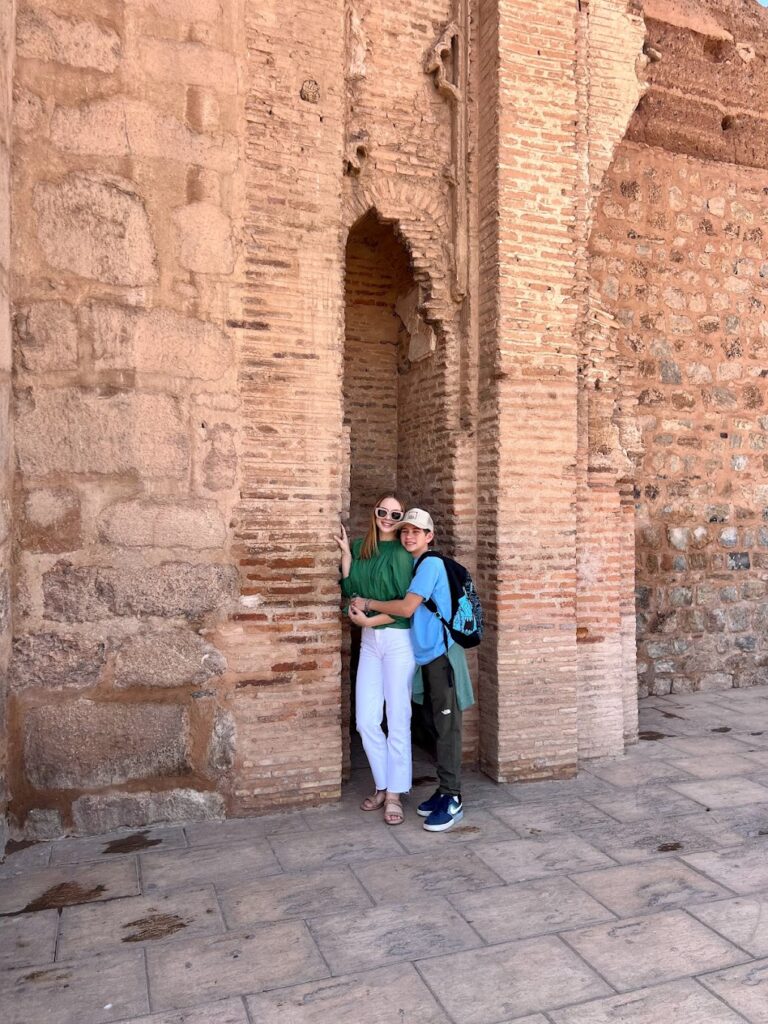
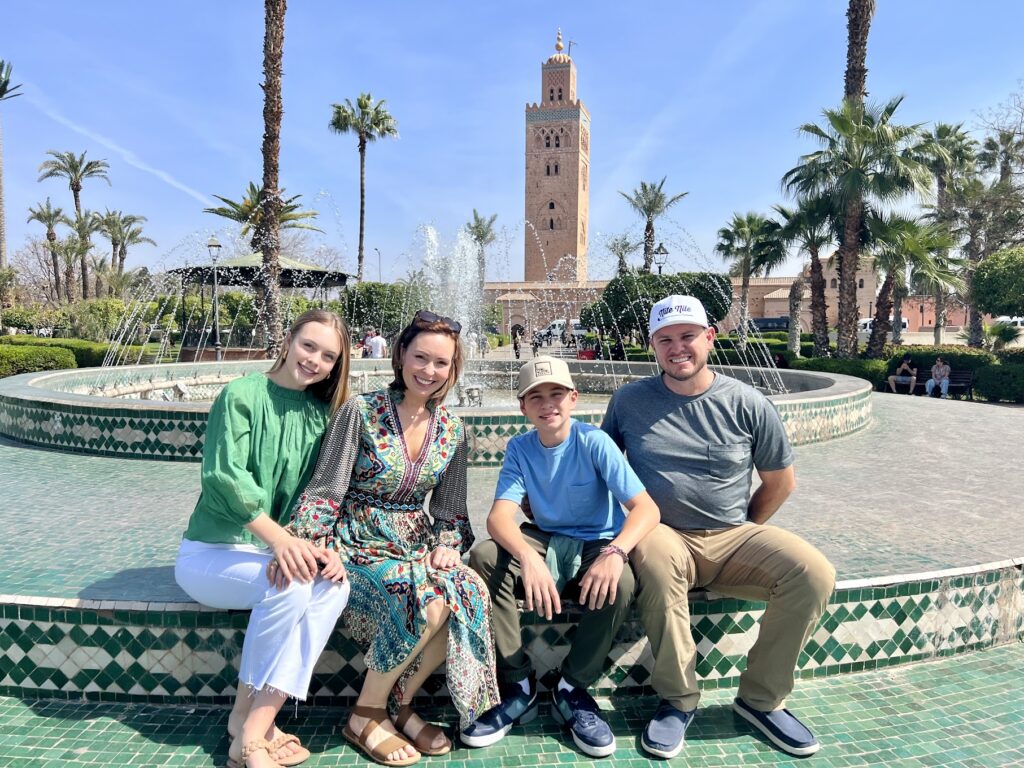
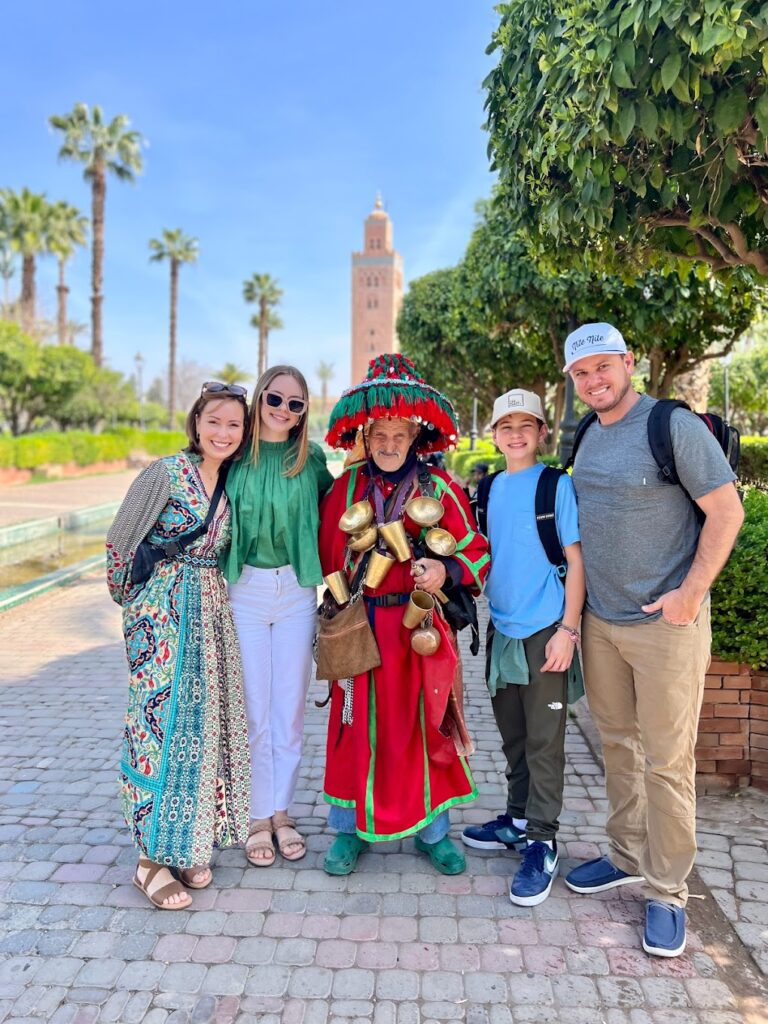
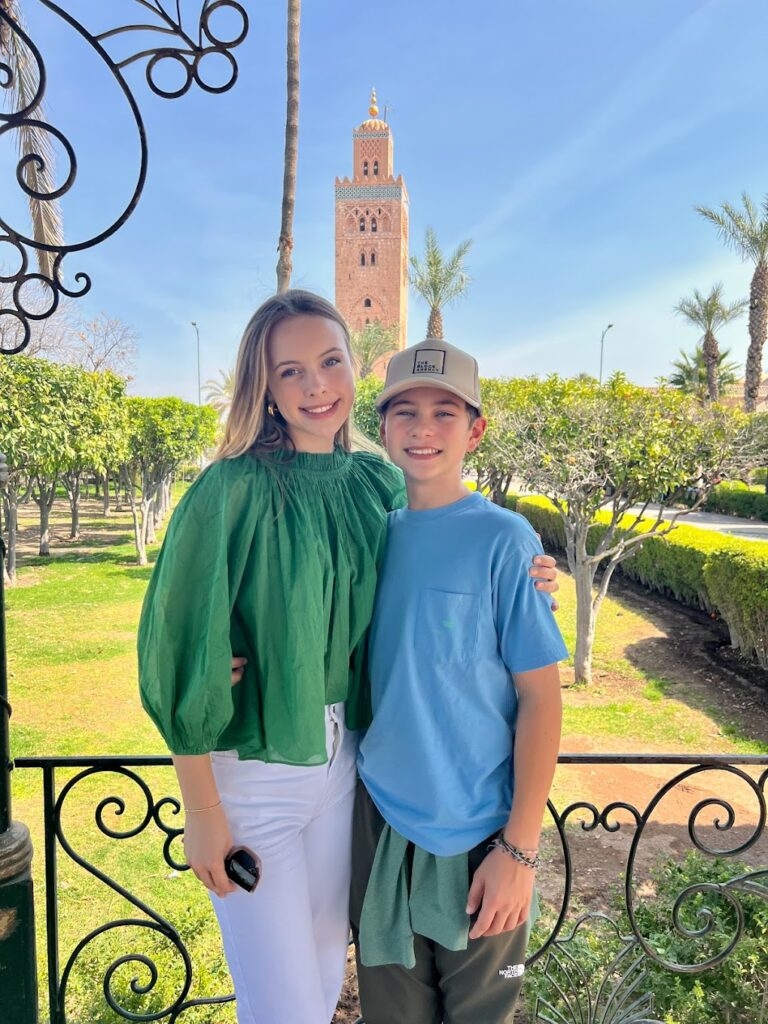
From there, we made our way to the Koutoubia Mosque, the largest mosque in Marrakech and one of the city’s most iconic landmarks. Its towering minaret seemed to follow us no matter where we went, and we couldn’t help but admire the intricate details in its design.
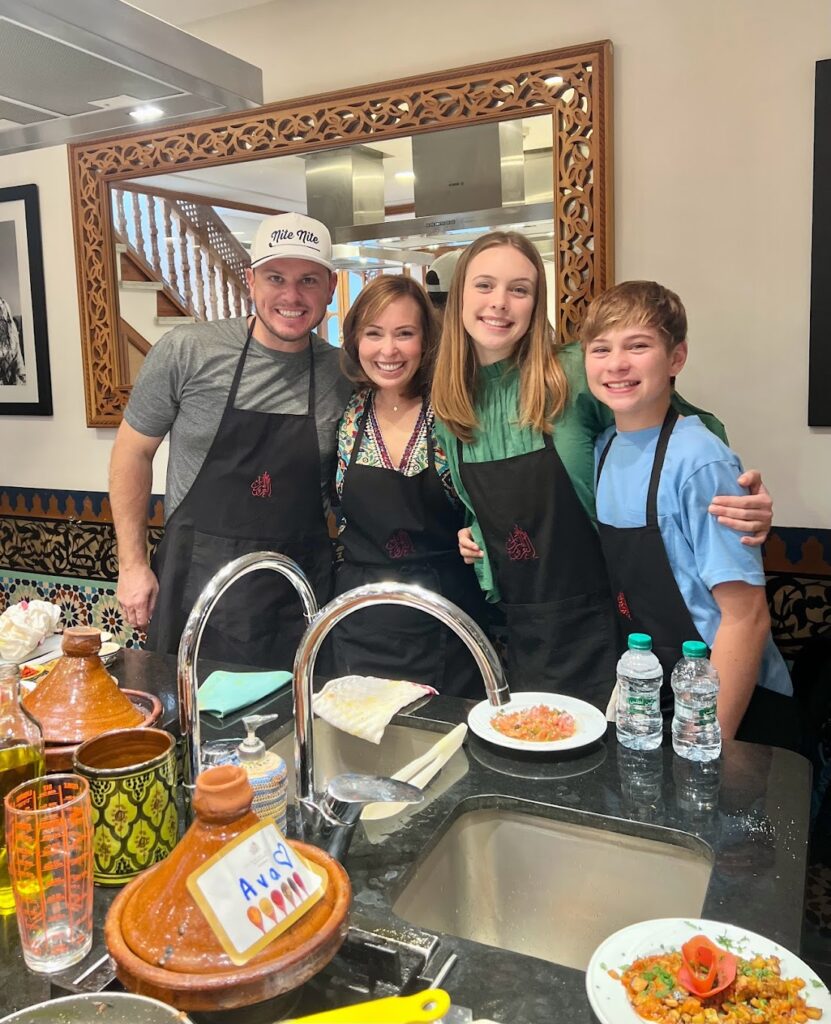
We closed out the day with a hands-on cooking class, which turned out to be one of the trip’s unexpected highlights. Before diving into the meal, we learned about Morocco’s beloved mint tea—a soothing staple offered everywhere, from restaurants to shops to riads. Our instructor showed us how it’s poured with a dramatic flourish, lifting the teapot high above the glass to create a long, graceful arc of steaming tea. After that, it was time for tagine. At this point, we were admittedly pretty “tagine-d out,” but making it ourselves had us laughing and working together in a way that made the dish feel new again. It wasn’t just dinner—it was an experience, and one we’ll never forget.
Day 7- Ballooning, Side Car Ride and Goodbyes
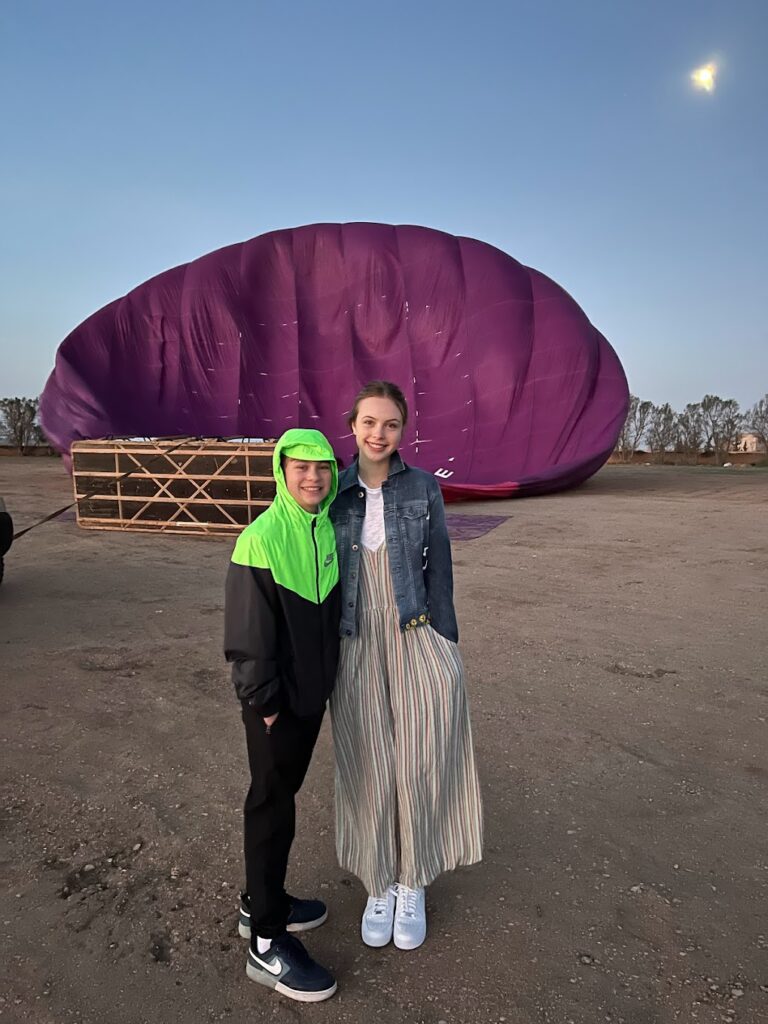
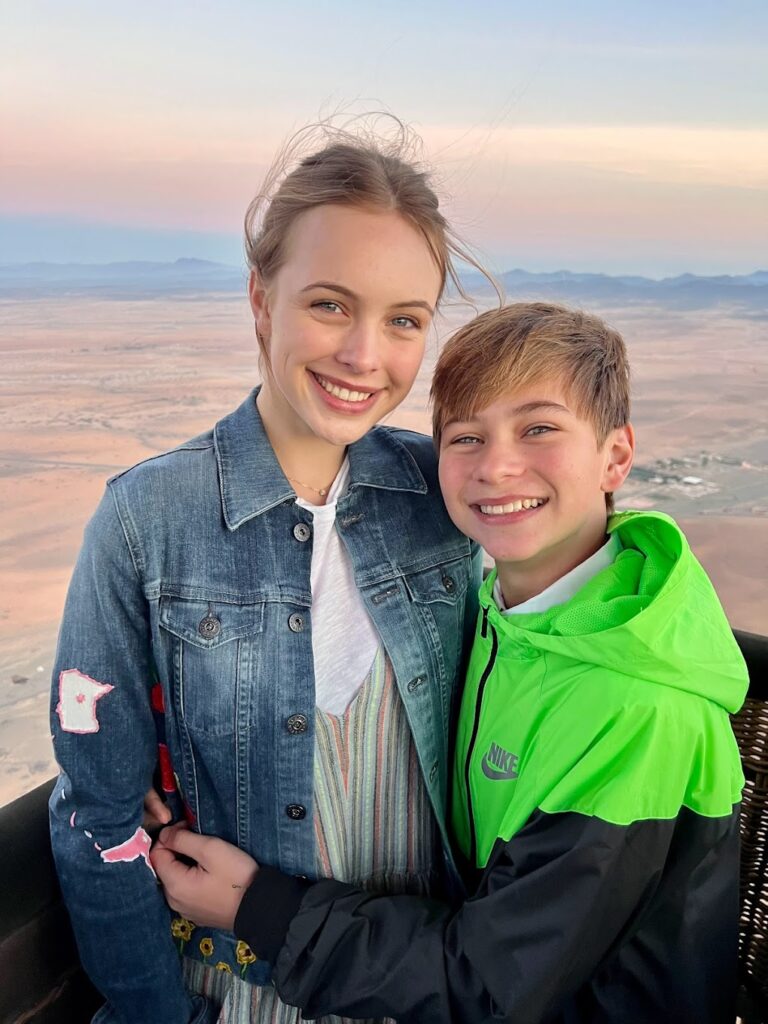
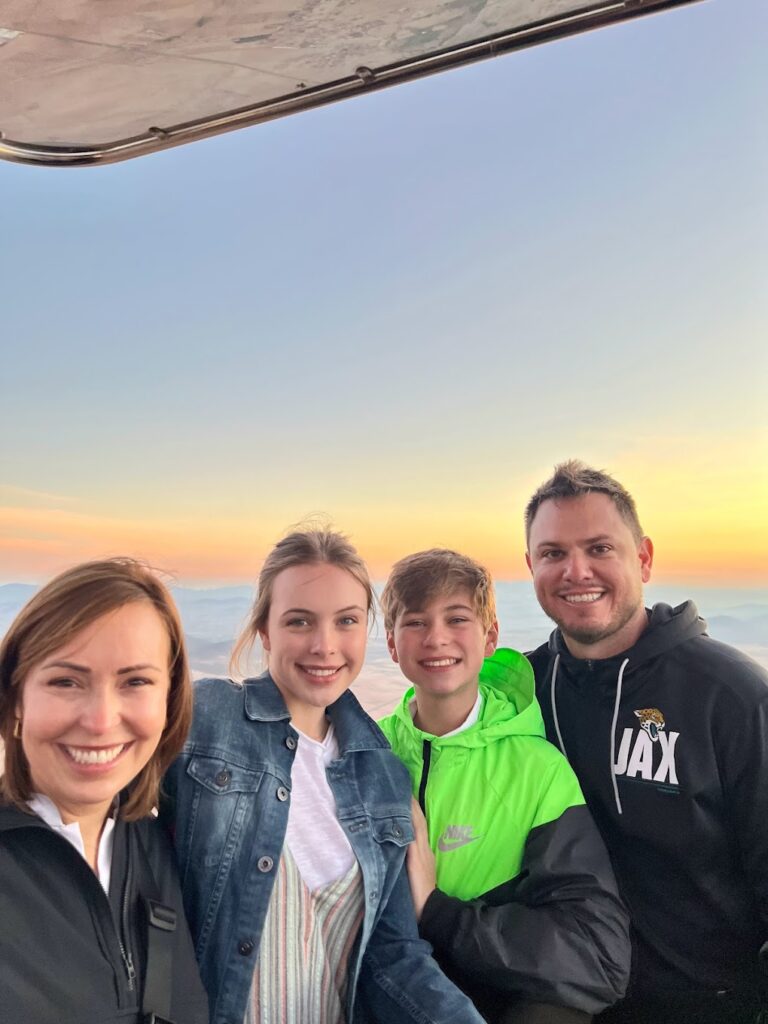
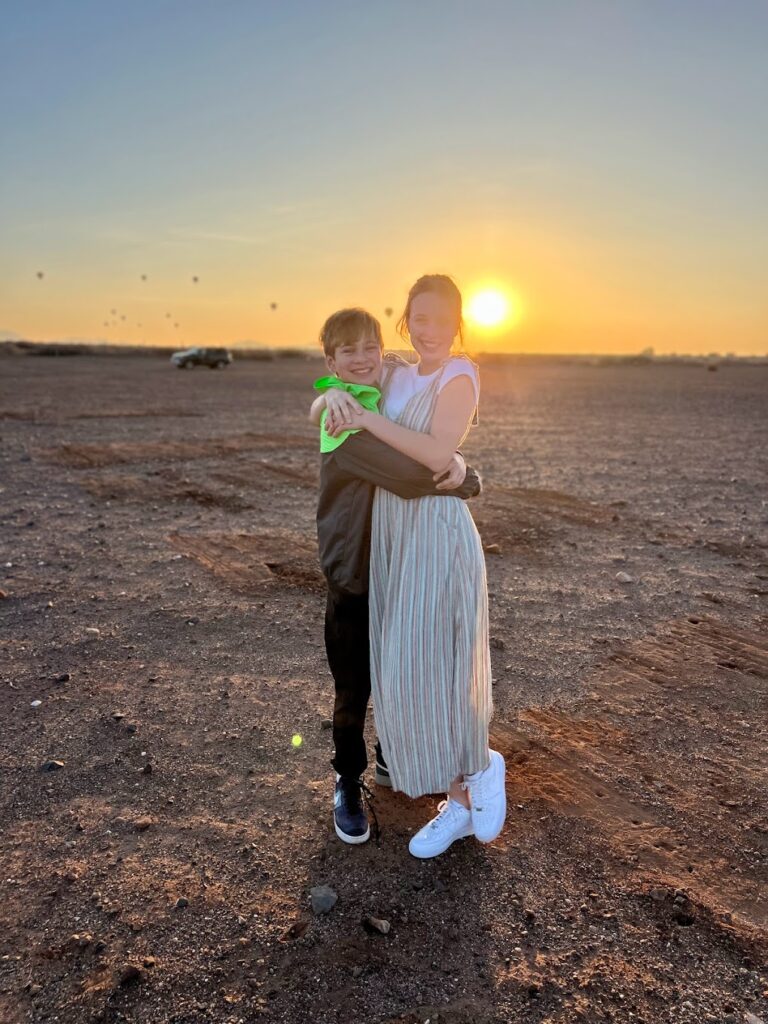
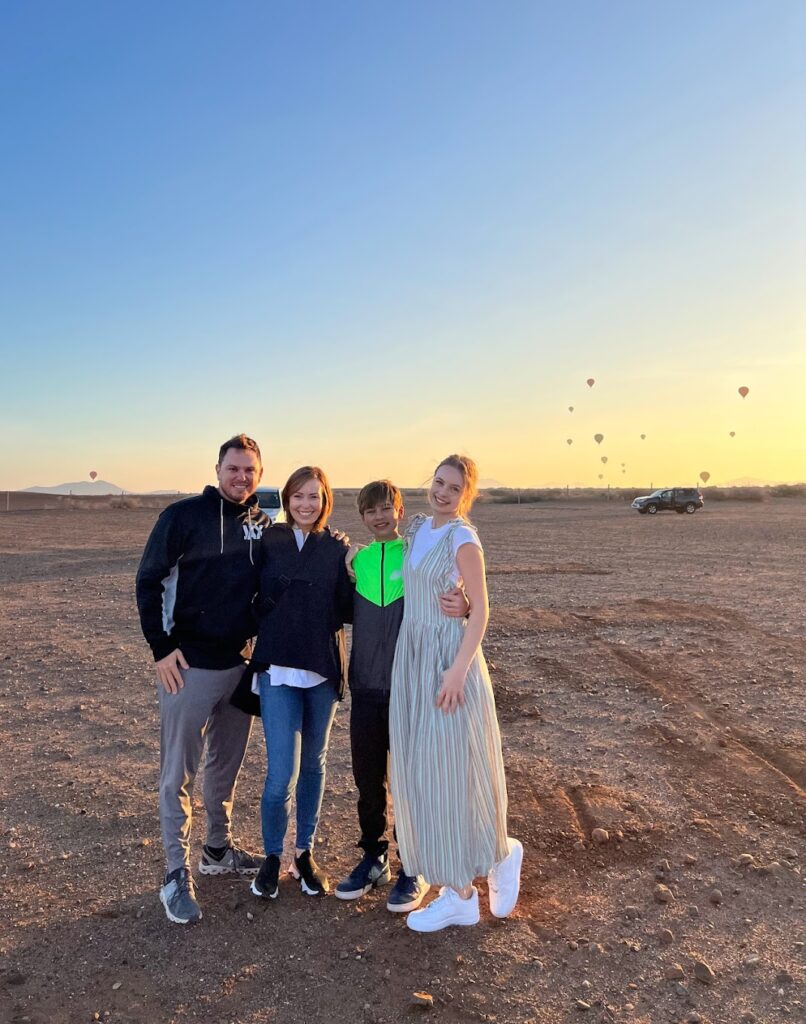
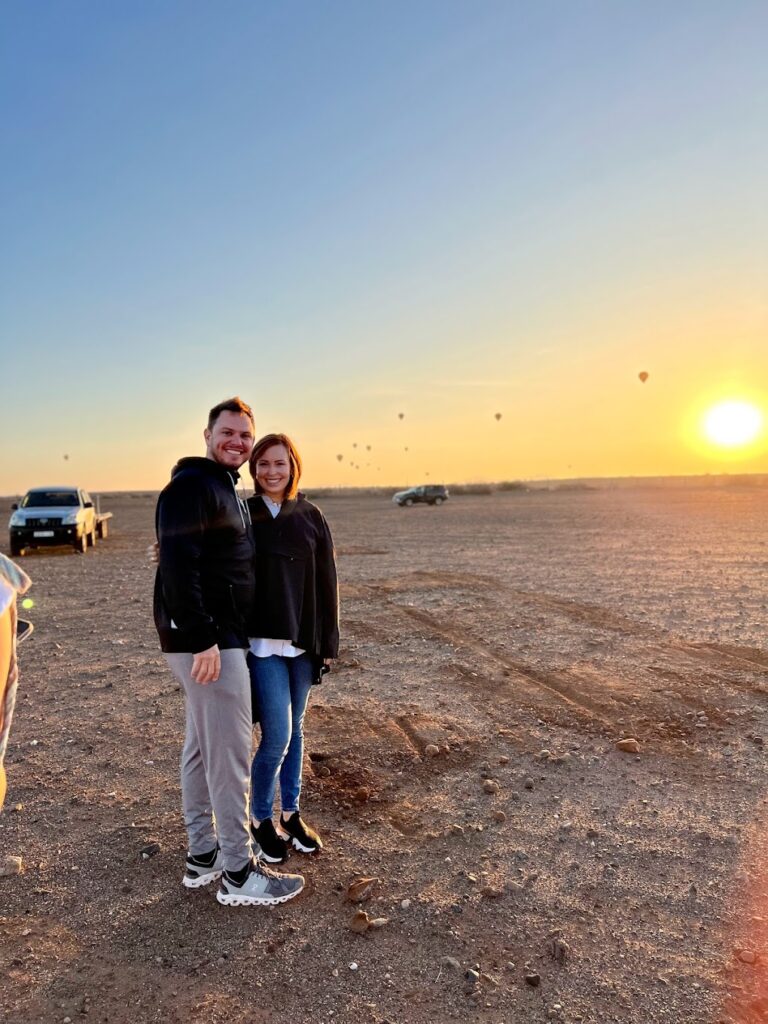
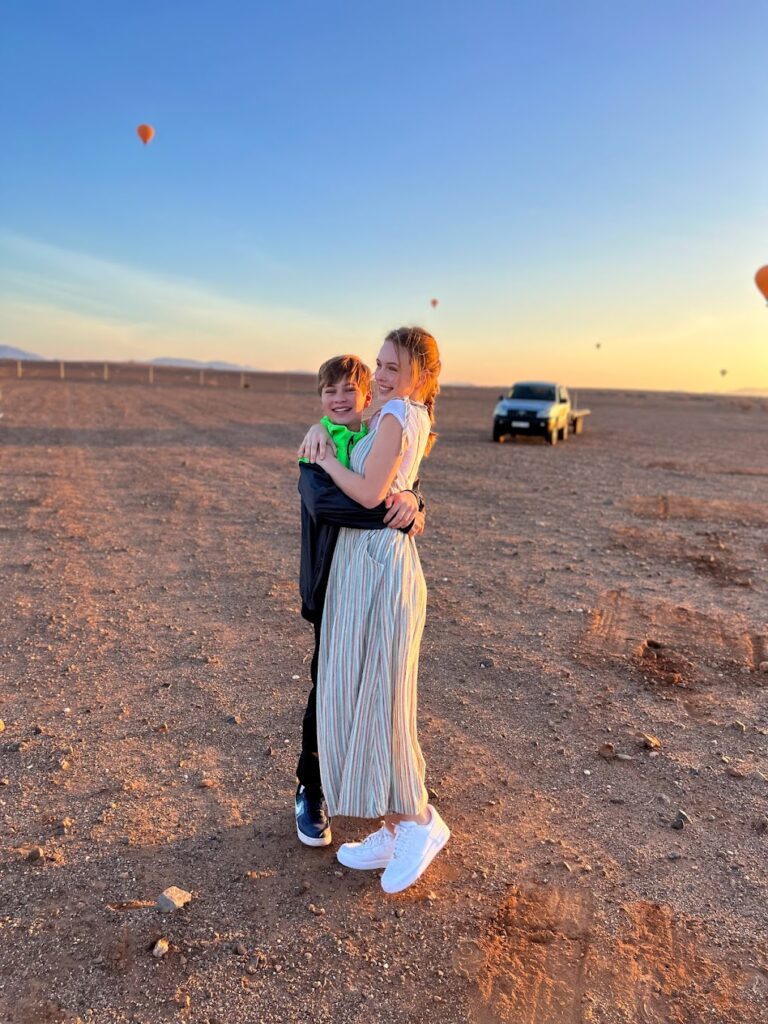
We began the day with a magical sunrise hot air balloon ride. As the balloon gently lifted into the sky, we drifted over the Atlas Mountains and Marrakech’s quiet desert landscapes, watching the sun paint the horizon in shades of pink and gold. It was a peaceful, unforgettable way to start the morning.
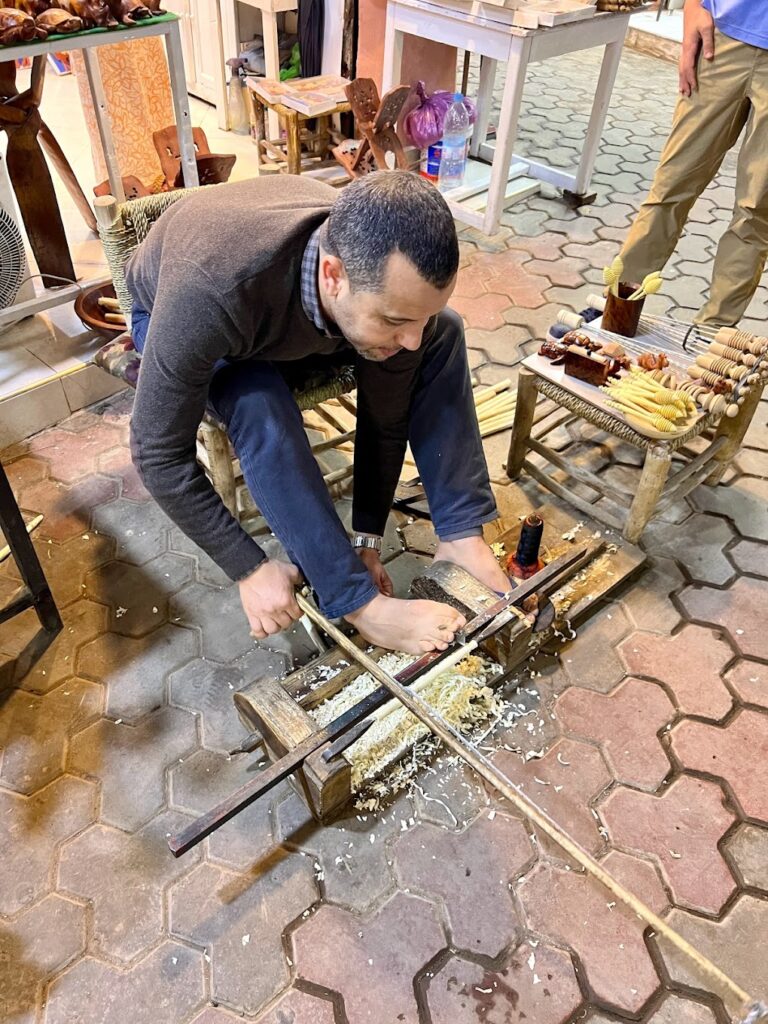
Afterward, we wandered through the market and discovered a craftsman carving intricate wooden boxes. Using an old foot-powered tool, he patiently demonstrated his craft. Payne chose one to bring home—a perfect souvenir and a reminder of the artistry we witnessed.
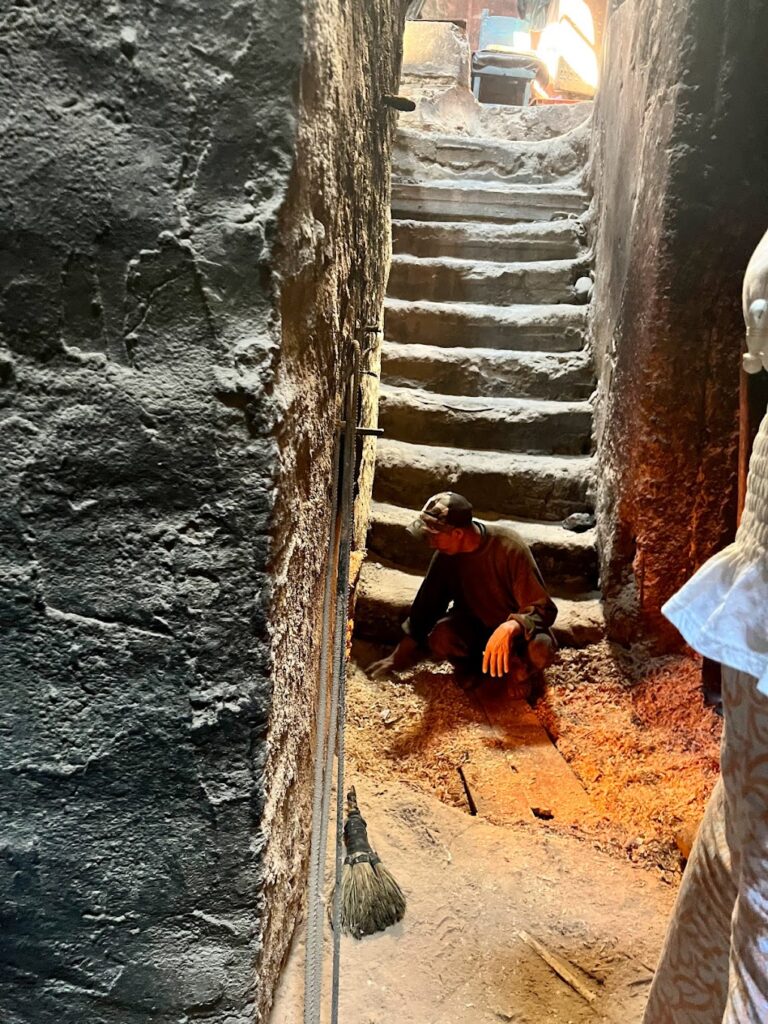
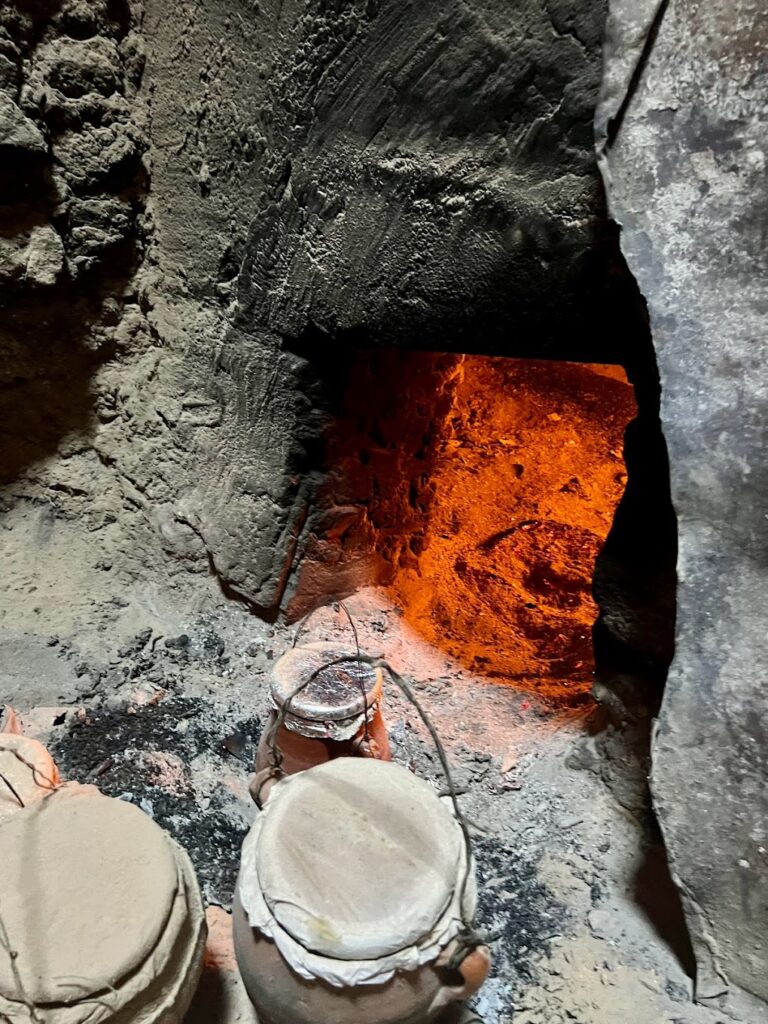
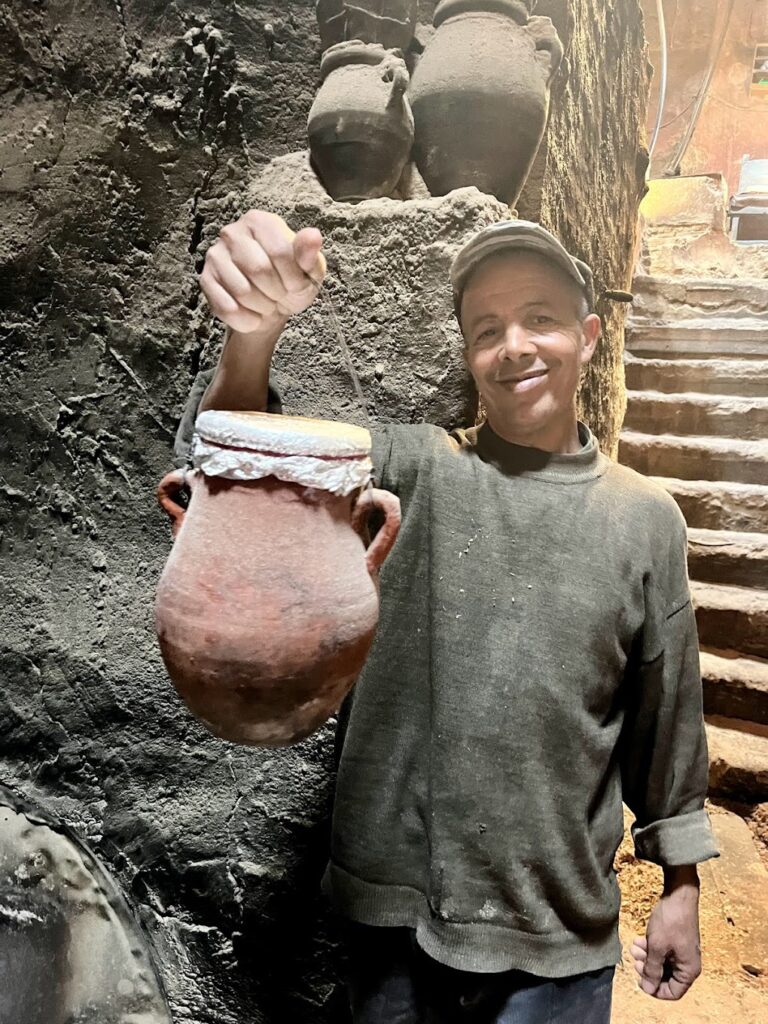
Later, we passed a small local restaurant where a traditional stew simmered away, cooked just as it has been for generations. The savory aroma filled the air, offering an authentic glimpse into daily Moroccan life.
We stepped into the YSL Museum, which beautifully highlighted the designer’s deep love for Morocco and how much the country shaped his work. Seeing his clothing collections up close, and watching the evolution of his style over the years, was both fun and inspiring.
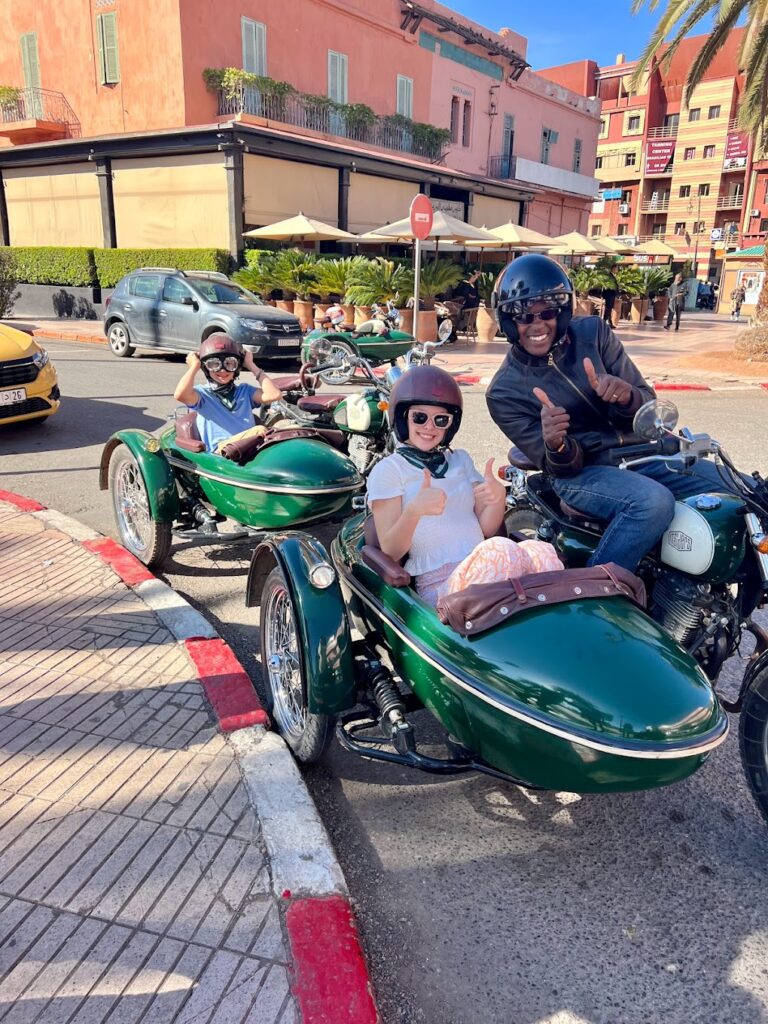
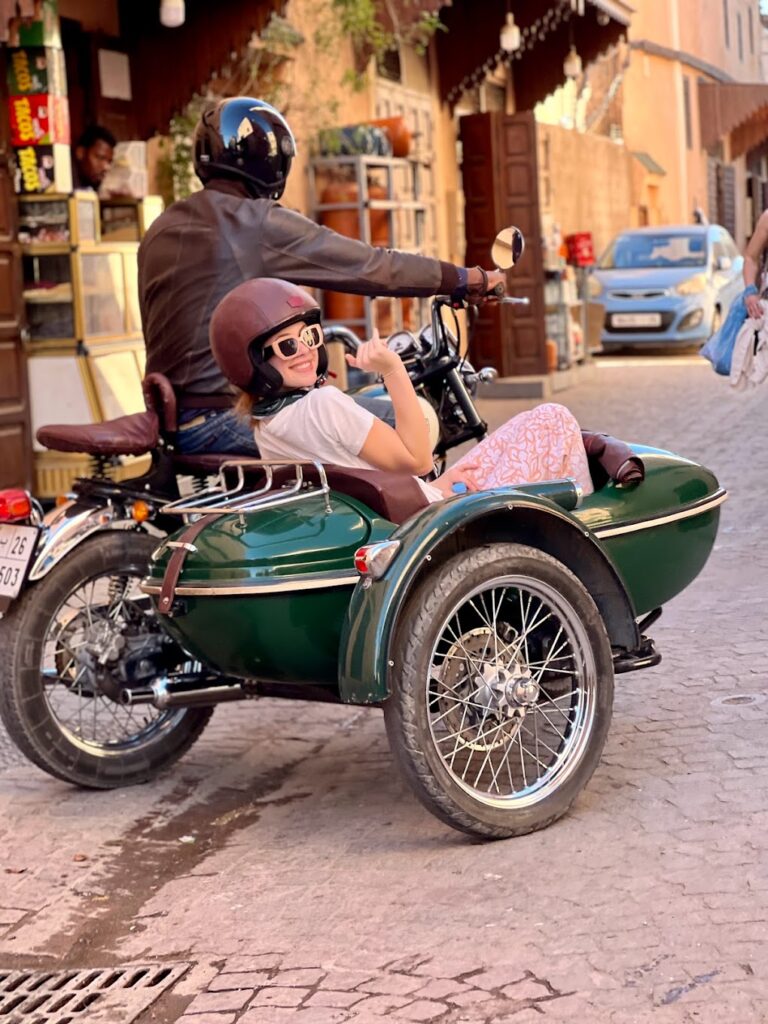
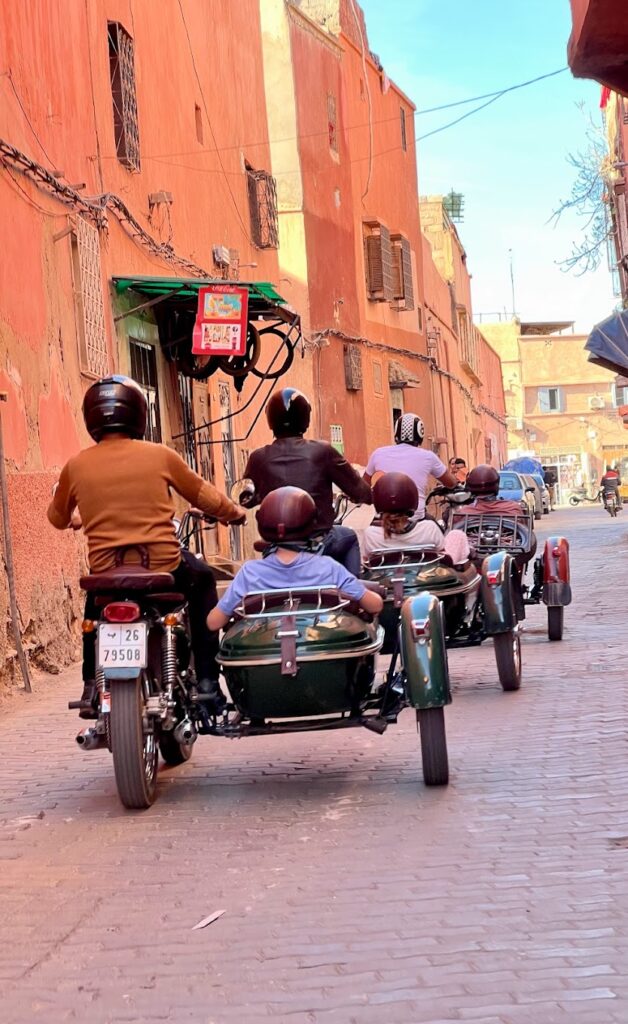
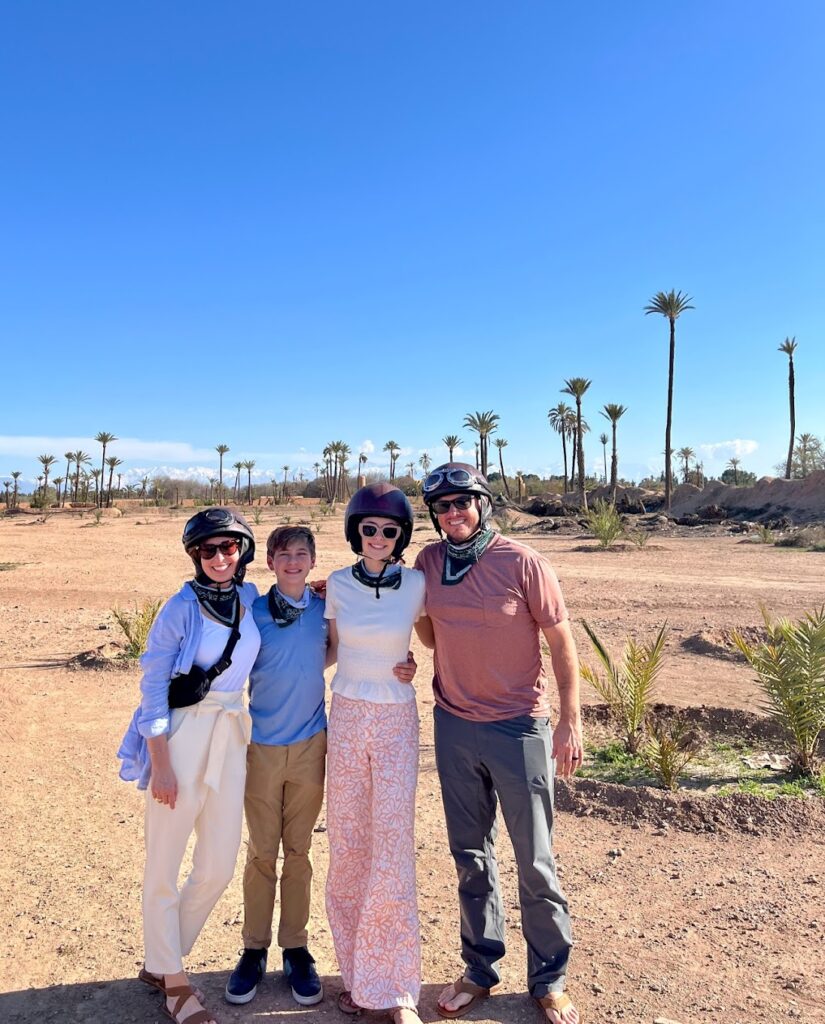
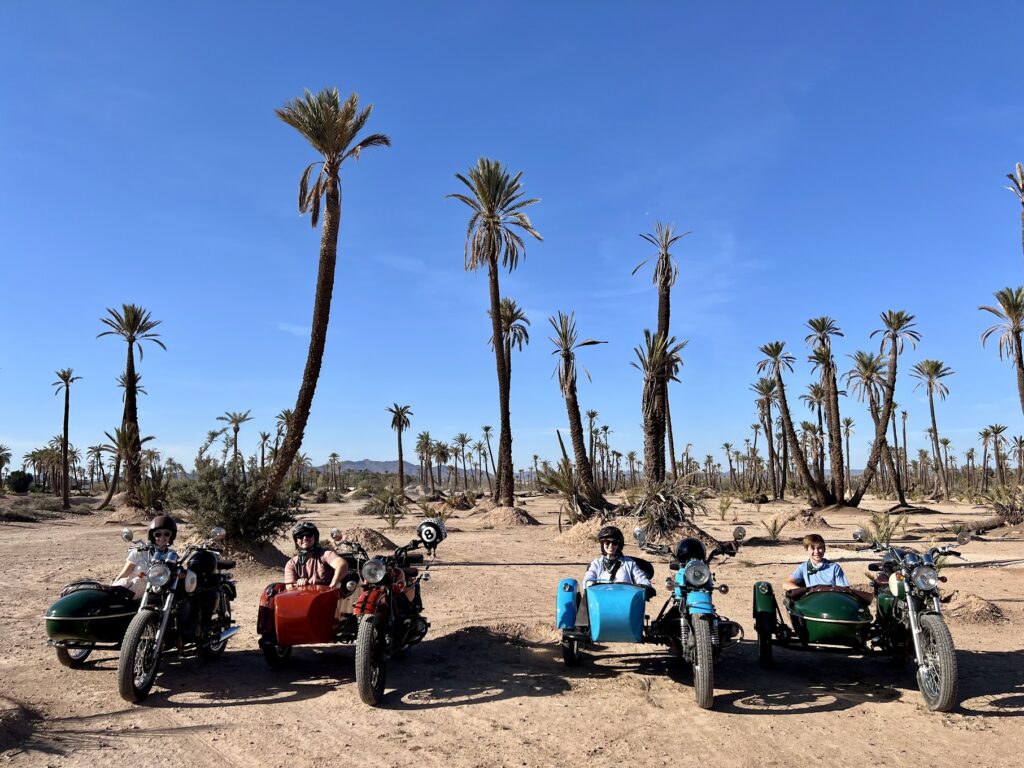
That evening, we capped off our journey with a vintage sidecar tour of Marrakech—a fun and unexpected adventure. For three hours we zipped through the city, exploring places we never would have found on our own. We wound through a hidden medina where locals still live and work as they have for centuries, cruised through Guéliz with its blend of Art Deco charm and modern vibrancy, and ended in the Palmeraie, a lush palm oasis undergoing reforestation. Behind its gates, we glimpsed grand villas tucked among the trees.
It was the perfect finale to our time in Morocco—a blend of history, culture, and adventure. Returning to the hotel that night, tired but happy, we knew an early morning of travel awaited us. Morocco had given us so many memories, and as I looked back on the trip, I felt deeply grateful to have experienced the heartbeat of such a beautiful country.